
Physiotherapy and Rehabilitation Support for Faster Recovery
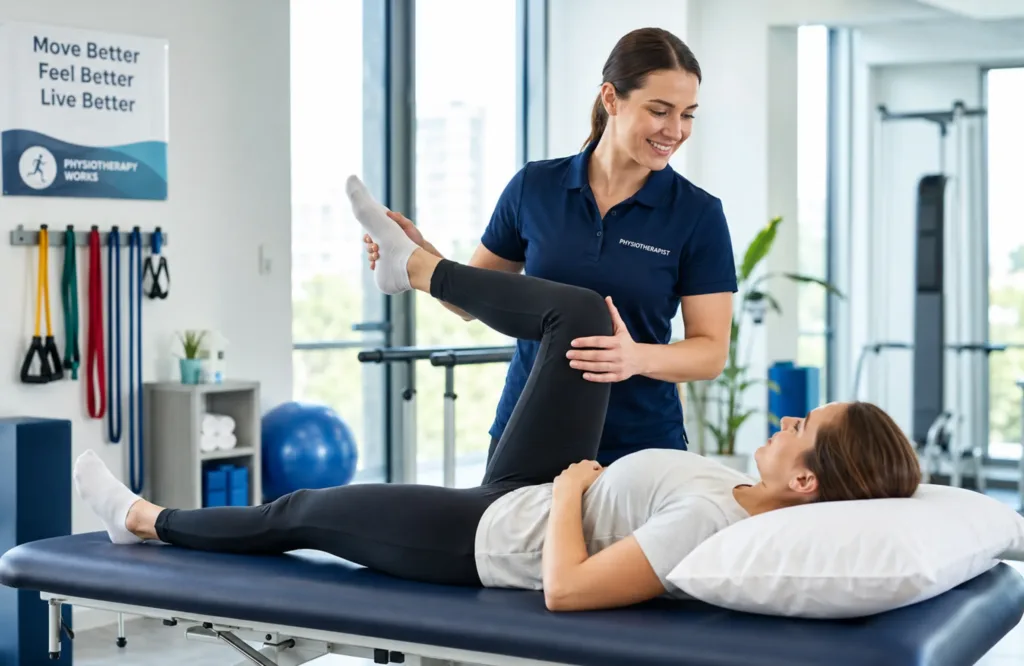
Home ❯ Blog ❯ Rehabilitation How Rehabilitation Helps Patients Regain Mobility and Independence Leaving the hospital does not mean recovery is complete. For most patients recovering from stroke, surgery, injury, or serious illness, it means recovery is just beginning. And without the right support in place, many patients never fully reclaim the mobility and independence they had before. Rehabilitation for mobility and independence is the structured clinical process through which function is rebuilt, confidence is restored, and patients return to living meaningfully, not just existing safely. This guide explains how rehabilitation therapy works, what a comprehensive rehabilitation program includes, and why the right approach at the right time produces outcomes that rest and time alone cannot. Why Mobility Declines After Illness or Surgery The body deteriorates faster under illness and bed rest than most families realise. Even a short hospital stay can cause measurable muscle loss, reduced joint flexibility, and impaired balance and coordination. For elderly patients, this decline can be steep and fast. This is not simply about physical weakness. Immobility during illness affects the cardiovascular system, respiratory function, cognitive clarity, and emotional wellbeing simultaneously. A patient who appeared physically stable at discharge may find that walking, managing stairs, or carrying out basic daily living activities is significantly harder than expected. Rehabilitation services address each of these effects in a structured, progressive way. The goal is not to push patients to move more. It is to identify precisely what has been affected and apply the specific interventions that restore function most effectively. How Rehabilitation for Mobility and Independence Works Regaining mobility after illness or surgery is not a single intervention. It is a layered, personalised process that unfolds differently for every patient. Physical rehabilitation begins with a thorough assessment of the patient’s current capacity and builds a personalised rehabilitation plan around the specific gaps identified. A well-structured mobility rehabilitation programme typically includes: Gait training to relearn safe walking patterns and build walking ability progressively Balance and coordination exercises to reduce fall risk and restore movement confidence Muscle strengthening through graded exercise therapy matched to the patient’s current level Joint flexibility and mobility work to restore range of motion lost during immobility or surgery Manual therapy and pain management where physical restriction is limiting movement Transfer training for safe movement from bed to chair, sitting to standing, and on stairs Functional rehabilitation built around the real tasks the patient needs to return to The difference between a generic physiotherapy programme and a truly personalised rehabilitation plan is significant. Generic protocols target movement in general. A patient-centered rehabilitation program targets the exact deficits in that specific patient, which produces faster, more meaningful progress toward physical independence. How Rehabilitation Restores Daily Independence Mobility is one dimension of independence. Daily living activities are another, and they are often the most personally significant to the patient and their family. Functional rehabilitation and occupational therapy focus on the practical tasks that define independent life: bathing, dressing, preparing meals, managing a household, returning to work or activity. For many patients, the ability to dress without assistance or cook a simple meal represents as much of a milestone as walking further. Occupational therapists assess both the patient’s current abilities and their home environment, identifying strategies and adaptations that close the gap between present function and the independence the patient is working toward. This component of recovery rehabilitation is especially important for elderly patients and those with neurological conditions where the functional impact of illness is broad. Recovery through physiotherapy and rehabilitation is most effective when physical therapy and occupational therapy work together from the beginning, with shared goals and consistent communication between the clinical team. Why a Multidisciplinary Rehabilitation Program Produces Better Outcomes Rehabilitation therapy that addresses only physical movement misses a significant part of what recovery requires. Systematic reviews and clinical research confirm that organised, multidisciplinary rehabilitation services lead to meaningfully better outcomes than single-discipline care alone. Research summarised by the National Institutes of Health shows that team-based rehabilitation produces higher rates of mobility improvement, greater restoration of independence in daily activities, and lower rates of long-term institutionalisation, particularly for stroke survivors and elderly patients. (Source: PMC, National Institutes of Health) This is because recovery is not a single-system process. A patient recovering from stroke may require physiotherapy rehabilitation for movement, speech therapy for communication and swallowing, nutritional rebuilding to restore muscle strength, and psychological support for the depression and anxiety that are common after serious illness. Addressing all of these simultaneously, through a coordinated team of rehabilitation specialists, produces outcomes that sequential or isolated care cannot match. Specialized Rehabilitation Services Stroke Recovery Elderly Patients Orthopedic Surgery Rehabilitation Services for Stroke Recovery: These are among the most time-sensitive in all of healthcare. The brain’s neuroplasticity, its capacity to reorganise and rebuild connections after injury, is greatest in the first three to six months following a stroke. Intensive, structured rehabilitation therapy during this window, beginning within 24 to 48 hours of the event, is associated with significantly better outcomes in motor function, speech, and daily independence. Delaying rehabilitation after stroke consistently reduces the ceiling of what recovery can achieve. Physical Rehabilitation for Elderly Patients: This requires a distinct clinical approach. The physical decline that follows even brief hospitalisation in older adults is well-documented, affecting muscle mass, balance and coordination, cognition, and emotional wellbeing simultaneously. A best rehabilitation program for elderly patients balances the need to rebuild mobility and strength with careful attention to multiple conditions happening at once. Fall prevention, gait training, and rebuilding confidence in movement are central priorities. Rehabilitation After Orthopedic Surgery: Whether a hip replacement, knee replacement, fracture repair, or spinal procedure, this requires structured, progressive physical therapy to restore joint flexibility, muscle strength, and safe walking ability. Patients who begin physiotherapy rehabilitation promptly after orthopedic surgery and maintain consistency throughout their programme consistently achieve better mobility outcomes and regain independence sooner than those who rely on rest. Best Rehabilitation Program for Mobility Improvement: What to Look For The best rehabilitation program for
How Rehabilitation Helps Patients Regain Mobility and Independence
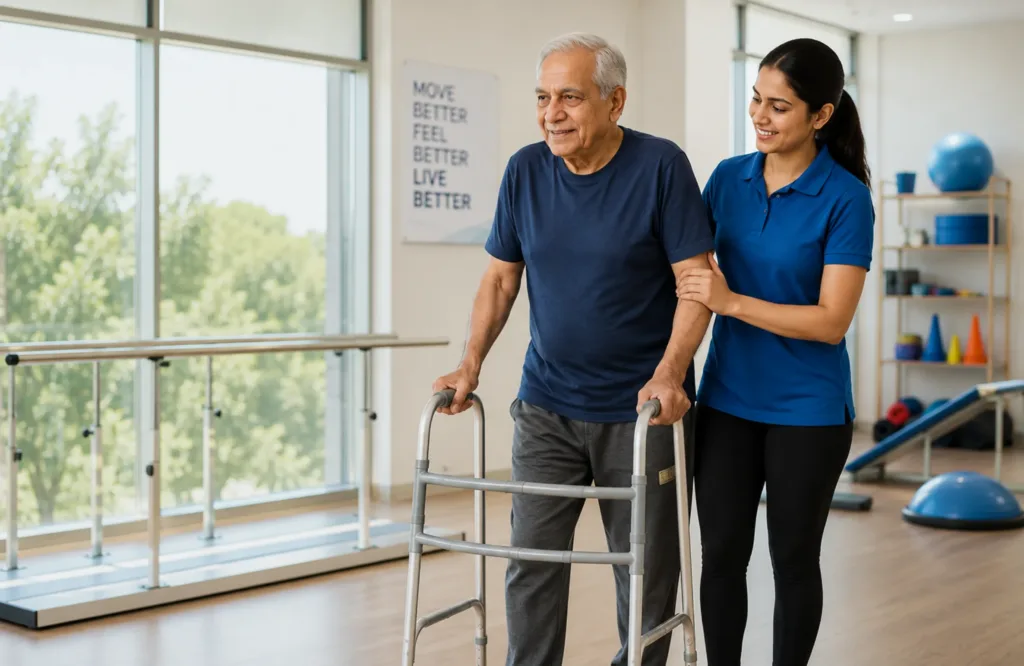
Home ❯ Blog ❯ Rehabilitation How Rehabilitation Helps Patients Regain Mobility and Independence Leaving the hospital does not mean recovery is complete. For most patients recovering from stroke, surgery, injury, or serious illness, it means recovery is just beginning. And without the right support in place, many patients never fully reclaim the mobility and independence they had before. Rehabilitation for mobility and independence is the structured clinical process through which function is rebuilt, confidence is restored, and patients return to living meaningfully, not just existing safely. This guide explains how rehabilitation therapy works, what a comprehensive rehabilitation program includes, and why the right approach at the right time produces outcomes that rest and time alone cannot. Why Mobility Declines After Illness or Surgery The body deteriorates faster under illness and bed rest than most families realise. Even a short hospital stay can cause measurable muscle loss, reduced joint flexibility, and impaired balance and coordination. For elderly patients, this decline can be steep and fast. This is not simply about physical weakness. Immobility during illness affects the cardiovascular system, respiratory function, cognitive clarity, and emotional wellbeing simultaneously. A patient who appeared physically stable at discharge may find that walking, managing stairs, or carrying out basic daily living activities is significantly harder than expected. Rehabilitation services address each of these effects in a structured, progressive way. The goal is not to push patients to move more. It is to identify precisely what has been affected and apply the specific interventions that restore function most effectively. How Rehabilitation for Mobility and Independence Works Regaining mobility after illness or surgery is not a single intervention. It is a layered, personalised process that unfolds differently for every patient. Physical rehabilitation begins with a thorough assessment of the patient’s current capacity and builds a personalised rehabilitation plan around the specific gaps identified. A well-structured mobility rehabilitation programme typically includes: Gait training to relearn safe walking patterns and build walking ability progressively Balance and coordination exercises to reduce fall risk and restore movement confidence Muscle strengthening through graded exercise therapy matched to the patient’s current level Joint flexibility and mobility work to restore range of motion lost during immobility or surgery Manual therapy and pain management where physical restriction is limiting movement Transfer training for safe movement from bed to chair, sitting to standing, and on stairs Functional rehabilitation built around the real tasks the patient needs to return to The difference between a generic physiotherapy programme and a truly personalised rehabilitation plan is significant. Generic protocols target movement in general. A patient-centered rehabilitation program targets the exact deficits in that specific patient, which produces faster, more meaningful progress toward physical independence. How Rehabilitation Restores Daily Independence Mobility is one dimension of independence. Daily living activities are another, and they are often the most personally significant to the patient and their family. Functional rehabilitation and occupational therapy focus on the practical tasks that define independent life: bathing, dressing, preparing meals, managing a household, returning to work or activity. For many patients, the ability to dress without assistance or cook a simple meal represents as much of a milestone as walking further. Occupational therapists assess both the patient’s current abilities and their home environment, identifying strategies and adaptations that close the gap between present function and the independence the patient is working toward. This component of recovery rehabilitation is especially important for elderly patients and those with neurological conditions where the functional impact of illness is broad. Recovery through physiotherapy and rehabilitation is most effective when physical therapy and occupational therapy work together from the beginning, with shared goals and consistent communication between the clinical team. Why a Multidisciplinary Rehabilitation Program Produces Better Outcomes Rehabilitation therapy that addresses only physical movement misses a significant part of what recovery requires. Systematic reviews and clinical research confirm that organised, multidisciplinary rehabilitation services lead to meaningfully better outcomes than single-discipline care alone. Research summarised by the National Institutes of Health shows that team-based rehabilitation produces higher rates of mobility improvement, greater restoration of independence in daily activities, and lower rates of long-term institutionalisation, particularly for stroke survivors and elderly patients. (Source: PMC, National Institutes of Health) This is because recovery is not a single-system process. A patient recovering from stroke may require physiotherapy rehabilitation for movement, speech therapy for communication and swallowing, nutritional rebuilding to restore muscle strength, and psychological support for the depression and anxiety that are common after serious illness. Addressing all of these simultaneously, through a coordinated team of rehabilitation specialists, produces outcomes that sequential or isolated care cannot match. Specialized Rehabilitation Services Stroke Recovery Elderly Patients Orthopedic Surgery Rehabilitation Services for Stroke Recovery: These are among the most time-sensitive in all of healthcare. The brain’s neuroplasticity, its capacity to reorganise and rebuild connections after injury, is greatest in the first three to six months following a stroke. Intensive, structured rehabilitation therapy during this window, beginning within 24 to 48 hours of the event, is associated with significantly better outcomes in motor function, speech, and daily independence. Delaying rehabilitation after stroke consistently reduces the ceiling of what recovery can achieve. Physical Rehabilitation for Elderly Patients: This requires a distinct clinical approach. The physical decline that follows even brief hospitalisation in older adults is well-documented, affecting muscle mass, balance and coordination, cognition, and emotional wellbeing simultaneously. A best rehabilitation program for elderly patients balances the need to rebuild mobility and strength with careful attention to multiple conditions happening at once. Fall prevention, gait training, and rebuilding confidence in movement are central priorities. Rehabilitation After Orthopedic Surgery: Whether a hip replacement, knee replacement, fracture repair, or spinal procedure, this requires structured, progressive physical therapy to restore joint flexibility, muscle strength, and safe walking ability. Patients who begin physiotherapy rehabilitation promptly after orthopedic surgery and maintain consistency throughout their programme consistently achieve better mobility outcomes and regain independence sooner than those who rely on rest. Best Rehabilitation Program for Mobility Improvement: What to Look For The best rehabilitation program for
Physiotherapy and Rehabilitation Support for Faster Recovery in Hyderabad

Home ❯ Blog ❯ Rehabilitation Physiotherapy and Rehabilitation Support for Faster Recovery in Hyderabad There is something nobody tells you clearly when a loved one is discharged from the hospital. The word “stable” does not mean recovered. It means the immediate medical crisis has passed. What comes next, the rebuilding, the regaining of strength, the return to normal daily function, that is an entirely different journey. And it is one that most families are left to figure out on their own. This is where physiotherapy and rehabilitation in Hyderabad plays a role that is far more significant than most people realise. Rehabilitation is not a bonus step you add after recovery. It is recovery. Structured, medically supervised, and deeply personal. Without it, many patients plateau, lose ground, or face complications that could have been avoided entirely. Why Recovery Does Not Happen on Its Own The human body is resilient, but it is not self-correcting after serious illness or surgery without the right support. When a patient spends days or weeks in a hospital bed, several things happen simultaneously. Muscles begin to weaken from disuse, and research shows that patients can lose up to 5 percent of their muscle mass per day during prolonged immobility. Joints stiffen. Lung capacity reduces. The nervous system’s ability to coordinate movement becomes sluggish. Appetite drops, which slows tissue repair. And the emotional weight of illness adds its own layer of difficulty on top of everything physical. Rest alone does not undo these effects. In fact, prolonged rest without structured rehabilitation often makes them worse. This is why rehabilitation therapy in Hyderabad has become an essential part of post-hospital care for patients recovering from stroke, surgery, neurological conditions, cardiac events, and critical illness. The longer rehabilitation is delayed, the more ground the patient loses and the longer the road back becomes. What Physiotherapy and Rehabilitation Actually Involves Many families use the words physiotherapy and rehabilitation interchangeably, but they are not the same thing. Physiotherapy is one component within rehabilitation. It focuses specifically on restoring physical movement, strength, and function through targeted exercises, manual therapy, and guided activity. Full rehabilitation is a coordinated programme that addresses everything affecting a patient’s recovery, not just the physical. At a quality rehabilitation centre in Hyderabad, the care team typically includes: Physiotherapists who work on mobility restoration, gait training, muscle strengthening, and balance improvement. Occupational therapists who help patients relearn daily tasks like dressing, bathing, eating, and navigating their home environment safely. Speech and language therapists who address swallowing difficulties and communication challenges, which are common after stroke or neurological events. Dietitians and nutritionists who ensure the body has what it needs for strength rebuilding and tissue repair. Mental health professionals who support patients through the emotional side of recovery, including anxiety, depression, and loss of confidence. Nursing staff who monitor vital signs, manage medications, prevent complications, and ensure patient safety around the clock. This is what multidisciplinary rehabilitation looks like in practice. And research consistently shows it produces significantly better recovery outcomes than physiotherapy alone. When Should Rehabilitation Begin After Hospitalisation? This is one of the most common questions families ask, and the answer matters enormously. The general clinical consensus is that rehabilitation should begin as early as medically appropriate, sometimes even within the hospital itself, before the patient is discharged. For stroke patients, rehabilitation often begins within 24 to 48 hours of the event. For post-surgical patients, it may start within the first day or two after the procedure, depending on the surgery type and the patient’s condition. For post ICU rehabilitation in Hyderabad, timing depends on the patient’s stability, but the principle remains the same: early intervention leads to better outcomes. Delays in starting rehabilitation have real consequences. Muscles that are not used begin to atrophy rapidly, particularly in elderly patients and those who have been critically ill. Joints stiffen. The nervous system loses practice in movement patterns it needs to relearn. Every week of delay makes the recovery journey longer and harder. Families are often told to “wait and see” or to “just rest for a while” before starting any rehabilitation. In many cases, this advice unintentionally allows preventable decline to set in. If your loved one has been discharged from hospital and is still not fully functional in movement, strength, or daily activity, the time to begin structured rehabilitation is now, not later. Conditions That Require Rehabilitation Support Physiotherapy and rehabilitation for faster recovery is relevant across a wide range of medical conditions. Stroke & Neurological Post-Surgical Post ICU Care Cardiac & Pulmonary Stroke and neurological events: are among the most common reasons patients need structured rehabilitation. The damage to movement, speech, and coordination requires expert, consistent intervention to rebuild function that the brain can no longer manage automatically. Post-surgical recovery: including orthopaedic surgeries like hip and knee replacements, spinal procedures, cardiac surgeries, and major abdominal operations, places enormous stress on the body. Without structured rehabilitation after surgery, complications including muscle atrophy, joint stiffness, and reduced lung capacity are significantly more likely. Neurological conditions: such as Parkinson’s disease, Guillain-Barre syndrome, multiple sclerosis, and traumatic brain injury require long-term, carefully supervised rehabilitation programmes that adapt as the patient’s condition evolves over time. Rehabilitation after a prolonged hospital stay or ICU admission: is necessary because the body deconditions across multiple systems simultaneously, not just in the area of the original illness. Physical rehabilitation services must address all of these systems together, not one at a time. Cardiac and pulmonary conditions: leave patients significantly weakened throughout the entire body and require monitored physical rehabilitation under continuous medical supervision. Elderly patients recovering from falls, fractures, or serious illness are among the most vulnerable to rapid functional decline, and they require the most carefully calibrated rehabilitation support. In each of these cases, coordinated rehabilitation delivered within a structured, clinically supervised environment gives patients the best available chance of returning to meaningful independence. What Inpatient Rehabilitation Offers That Home Care Cannot There is a significant difference between inpatient rehabilitation in Hyderabad
How Rehabilitation Helps Patients Regain Mobility and Independence

Home ❯ Blog ❯ Mobility Recovery How Rehabilitation Restores Mobility and Independence Overcoming the fear of what comes after a serious illness or surgery. Mobility Recovery: There is a particular fear that runs through many families after a serious illness or surgery. Not the fear of the condition itself, though that is real too. It is the quieter, more persistent fear of what comes after. Will they walk again? Will they be able to live independently? Will they need help with everything, forever? These fears are understandable. And the answer, more often than families realise, lies in structured rehabilitation for mobility recovery. Not in time. Not in willpower. In the right clinical support, delivered consistently, at the right stage of recovery. This guide explains how rehabilitation restores mobility and independence, who benefits most, and what a genuine programme looks like. What Mobility Recovery Actually Means When clinicians talk about mobility recovery, they mean more than the ability to walk. True mobility recovery encompasses: The ability to stand safely from a seated position Walking with stability and without an unacceptable fall risk Climbing stairs, navigating uneven surfaces, and managing everyday environments Transferring safely, from bed to chair, from chair to toilet Carrying out daily activities that require movement: cooking, dressing, bathing The confidence to move because fear of falling is itself a significant mobility barrier Full independence requires all of these. Rehabilitation for mobility is therefore not just about strengthening muscles and improving balance. It is about rebuilding a person’s entire functional capacity and the confidence that accompanies it. Why Mobility Declines After Illness Understanding why mobility declines after hospitalisation helps explain why structured rehabilitation is necessary to restore it. The body is not designed for prolonged inactivity. Bed rest, even for short periods causes measurable muscle loss, reduced cardiovascular fitness, joint stiffness, and neurological changes that impair balance and coordination. For elderly patients, even a week of hospitalisation can cause a degree of physical decline that takes months to recover from without structured support. For patients who have had a stroke, brain injury, or neurological event, the picture is still more complex. The problem is not simply weakness, it is disrupted neural communication between the brain and the body. Restoring mobility in these patients requires not just physical rehabilitation but neurological rehabilitation, exploiting the brain’s capacity for neuroplasticity to rebuild the pathways that control movement. A quality rehabilitation centre in Banjara Hills addresses both dimensions, physical and neurological in a coordinated programme designed around the individual. How Rehabilitation Restores Mobility 1. Physiotherapy for Mobility Improvement Physiotherapy for mobility improvement is the clinical foundation of mobility recovery. A specialist physiotherapist assesses the patient’s current capacity across multiple dimensions like strength, range of motion, balance, gait pattern, fall risk, and functional independence and builds a progressive programme that challenges and expands that capacity over time. The key word is progressive. Rehabilitation for mobility is not about doing the same exercises until discharge. It is about carefully calibrated, stepwise challenges that push the boundary of what the patient can do, safely and consistently until meaningful independence is restored. For neurological patients, this physiotherapy is neurologically specific using techniques like task-specific training, gait retraining, functional electrical stimulation, and constraint-induced movement therapy to rebuild neural pathways alongside physical strength. 2. Occupational Therapy for Independence Mobility rehabilitation in Hyderabad at a comprehensive centre is not physiotherapy alone. Occupational therapy plays an equally critical role in translating physical gains into real functional independence. Occupational therapists work with patients to relearn the daily activities that mobility underpins: dressing independently, preparing food, managing personal hygiene, and navigating the home safely. They also assess and advise on environmental modifications, removing fall hazards, recommending adaptive equipment, and ensuring the home the patient returns to is one they can live in safely. This is the bridge between the rehabilitation centre and independent life at home and it is often the piece that makes the difference between a patient who returns home successfully and one who is readmitted within weeks. 3. Balance and Fall Prevention Falls are one of the most significant threats to ongoing mobility recovery and one of the most preventable. In India, falls are among the leading causes of injury-related hospitalisation in adults over 60. A fall during recovery does not just cause physical injury. It causes fear and fear of falling leads to reduced movement, which leads to further deconditioning, which leads to greater fall risk. It is a cycle that structured rehabilitation specifically aims to break. Balance rehabilitation uses targeted exercises, postural training, vestibular rehabilitation where relevant, and progressive challenges to real-world environments, building both the physical stability and the psychological confidence that safe mobility requires. 4. Assistive Technology and Adaptive Techniques Not every patient will return to the same level of mobility they had before their illness. For some patients, particularly those with significant neurological injuries, the goal of rehabilitation is not to restore pre-illness function exactly, but to achieve the maximum possible independence within realistic parameters. This is where assistive technology and adaptive techniques become important. Walking aids, orthotic devices, wheelchairs configured for independence, and adaptive equipment for daily tasks are not signs of failure. They are tools that extend independence and learning to use them well is itself a rehabilitation goal. Physical therapy and rehabilitation at a quality centre includes assessment for and training in assistive technology as an integral part of the programme, not an afterthought. Conditions Where Mobility Rehabilitation Makes the Greatest Difference Stroke Recovery Elderly Patients Post-Surgery Neurological Stroke Recovery: The Indian Stroke Association estimates that up to 50% of stroke survivors experience significant ongoing disability but studies consistently show that structured rehabilitation dramatically improves functional outcomes, with many patients regaining independent mobility that would not have been achieved through rest alone. Elderly Patients After Falls or Hospitalisation: Older patients have less physiological reserve, recover more slowly, and are at higher risk. Elderly patients who receive structured rehabilitation after falls or hospitalisation have significantly better mobility outcomes than those who do
Common Health Conditions That Require Rehabilitation Care in Banjara Hills

Home ❯ Blog ❯ Rehabilitation Care Common Health Conditions That Require Rehabilitation Care in Banjara Hills Bridging the gap between hospital discharge and returning to a meaningful life. Rehabilitation Care: There is a moment many families recognise immediately. The hospital says your loved one is stable and ready to go home. And then comes the silence, the quiet panic of not knowing what comes next. Stable is not the same as recovered. For millions of patients across India, the gap between hospital discharge and returning to a meaningful life is where recovery either succeeds or quietly unravels. Rehabilitation care in Banjara Hills is filling exactly that gap, for stroke survivors, post-surgical patients, elderly individuals, and people living with neurological conditions. But many families still don’t know which conditions need formal rehabilitation, or why that distinction matters so much. This guide answers that clearly. Why Rehabilitation Care Matters More Than Most People Realise Recovery is not a passive process. The body and brain need structured, consistent, medically supervised support to rebuild what illness or injury has disrupted. According to the World Health Organization, over 2.4 billion people globally live with a condition that benefits from rehabilitation, yet access to quality care remains one of the most underserved areas of healthcare worldwide. (Source: WHO Rehabilitation Fact Sheet) In India, post-hospital rehabilitation is still widely misunderstood. Many families believe resting alone is enough. It rarely is. Effective rehabilitation addresses multiple systems at once, physical function, cognitive ability, nutrition, emotional health, and communication. That is why a quality rehabilitation centre in Banjara Hills doesn’t offer just physiotherapy. It offers a coordinated clinical team. Health Conditions That Commonly Require Rehabilitation Care 1. Stroke Stroke is one of the leading causes of long-term disability in India. When a stroke occurs, blood flow to part of the brain is interrupted, causing damage that can affect movement, speech, memory, swallowing, and emotional regulation. Stroke rehabilitation in Banjara Hills typically begins within 24 to 48 hours of the event, even while the patient is still hospitalised. But the real work happens in the weeks and months that follow discharge. Rehabilitation for stroke survivors includes: Physiotherapy to rebuild muscle strength and relearn movement patterns Speech therapy to address language difficulties and safe swallowing Occupational therapy to regain independence in daily tasks Psychological support for post-stroke depression and anxiety The brain’s ability to adapt and reorganise called neuroplasticity, is greatest in the first three to six months after a stroke. Missing this window means missing the most powerful period for recovery. 2. Neurological Conditions Beyond stroke, several other neurological conditions benefit enormously from structured rehabilitation. These include: Parkinson’s disease — affecting movement, balance, and speech Multiple sclerosis — causing fatigue, weakness, and coordination problems Traumatic brain injury — from accidents, falls, or other trauma Guillain-Barré syndrome — a nerve disorder causing sudden progressive weakness Spinal cord injuries — impacting mobility and bodily functions Neuro rehabilitation in Hyderabad has grown significantly as families begin to understand that these conditions are manageable, not just something to endure. A dedicated neuro rehab team can slow progression, rebuild function, and dramatically improve quality of life. 3. Post-Surgery Recovery Major surgeries place enormous stress on the body. Whether it is a joint replacement, cardiac surgery, abdominal procedure, or spinal operation, the body needs structured support to heal properly. Post-surgery rehabilitation in Hyderabad addresses: Pain management and wound healing oversight Guided movement to prevent stiffness and scar tissue formation Breathing exercises after chest or abdominal surgeries Progressive strengthening to restore functional independence Nutritional support to aid tissue repair Without proper rehabilitation, post-surgical complications, deep vein thrombosis, pneumonia, muscle atrophy are significantly more likely. Rehabilitation after major surgery is not optional. It is a clinical necessity. 4. Orthopedic and Mobility Conditions Conditions affecting bones, joints, and muscles often require sustained support, particularly when they impact a person’s ability to walk, stand, or manage daily activities independently. Common conditions include: Hip & knee replacements Fractures (Elderly) Rotator cuff injuries Spinal disc problems Arthritis decline Recovery in these cases requires carefully calibrated progression, ongoing medical assessment, and often occupational therapy to ensure the patient returns to a safe, functional life. 5. Cardiac and Pulmonary Conditions Heart attacks, heart failure, and chronic lung conditions like COPD leave patients significantly weakened, not just in the heart and lungs, but throughout the entire body. Monitored exercise under continuous medical supervision Breathing techniques and respiratory physiotherapy Medication management and lifestyle education Emotional support for the anxiety that commonly follows cardiac events This form of rehabilitation requires 24/7 medical oversight, not just a physiotherapist visiting twice a week. The risks are real, and the supervision must match them. 6. Elderly Patients After Illness or Falls For older adults, even a relatively minor illness or fall can trigger rapid physical decline. This is a well-documented phenomenon in geriatric medicine called post-hospitalisation syndrome, where the combined effects of bed rest, reduced nutrition, medication changes, and disrupted sleep cause widespread weakening across multiple body systems simultaneously. Elderly rehabilitation care must account for this with particular sensitivity. Key components include: Fall prevention and balance training Gentle, progressive mobility work Nutritional rehabilitation for weight and strength recovery Cognitive engagement to reduce post-hospitalisation confusion Emotional support to address anxiety and loss of confidence The skill in elderly rehabilitation lies in finding the right rhythm, pushing too hard causes harm, moving too slowly leads to dependence. It requires clinical judgement, not just exercise routines. 7. Cancer Recovery Patients recovering from surgery, chemotherapy, or radiation frequently experience fatigue, weakness, neuropathy, pain, and significant emotional distress. Cancer rehabilitation remains one of the most underutilised forms of care in India. Fatigue management strategies Physiotherapy for treatment-related weakness Lymphedema management following breast cancer surgery Nutritional rebuilding to restore strength and immunity Psychological support and structured counselling What Makes Rehabilitation Effective? Not all rehabilitation delivers the same results. The difference between a centre that genuinely helps and one that simply provides basic services comes down to four factors: Multidisciplinary care: Recovery involves multiple systems simultaneously. A
Sports Rehabilitation in Banjara Hills
Home ❯ Blog ❯ Sports Rehabilitation 7 Powerful Steps: Sports Rehabilitation in Banjara Hills for Peak Performance Getting You Back to Peak Performance safely and confidently. Sports rehabilitation in Banjara Hills: Injuries are a part of an active lifestyle – but staying stuck in recovery doesn’t have to be. If you’re searching for
physiotherapy vs rehabilitation what is the difference
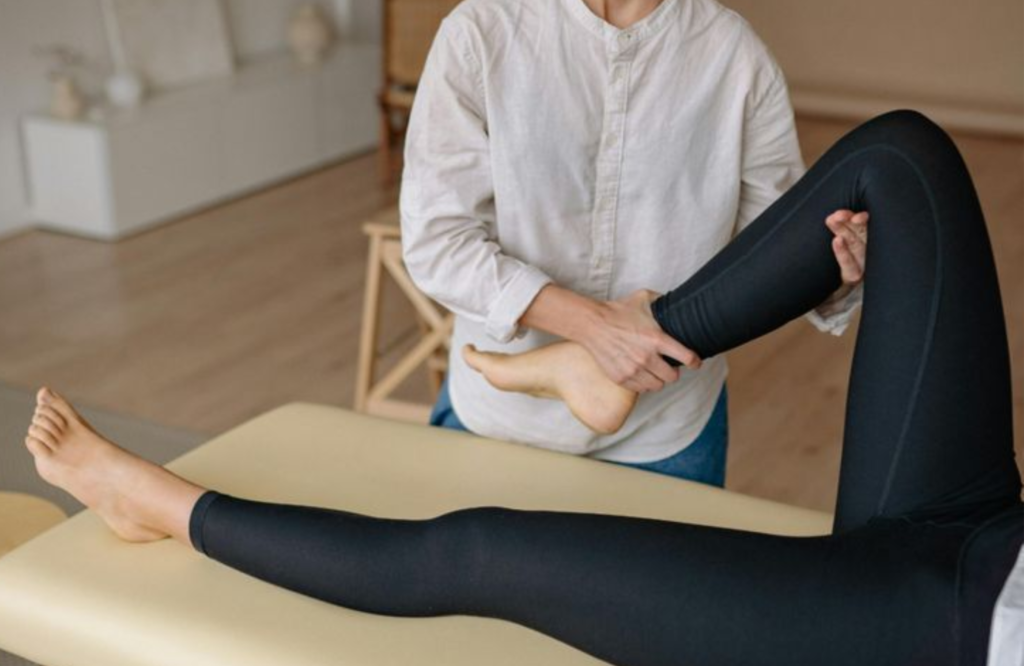
Home ❯ Blog ❯ Physiotherapy vs Rehabilitation 7 Crucial Facts: Physiotherapy vs Rehabilitation – What’s the Best Choice? Understand your options, choose the right treatment path, and avoid delays in your recovery. Physiotherapy vs rehabilitation: What’s the Real Difference? When recovering from an injury, surgery, or illness, one question comes up often – physiotherapy vs rehabilitation: which one do you actually need? Many people use these terms interchangeably, but they are not the same. Understanding the difference between physiotherapy and rehabilitation can help you choose the right treatment path and avoid delays in recovery. Let’s break it down in a way that actually makes sense for you. What Is Physiotherapy Treatment? Before comparing physiotherapy vs rehabilitation, it’s important to understand each individually. Physiotherapy treatment focuses on restoring movement, reducing pain, and improving physical function. It is often the first step in recovery after an injury, surgery, or chronic condition. Common goals of physiotherapy: Pain management through targeted techniques Improving joint mobility and flexibility Strengthening muscles Supporting injury recovery treatment options Preventing further injury Where physiotherapy is used: Back and neck pain Sports injuries Post-surgery stiffness Muscle recovery therapy Pain management physiotherapy In simple terms, physiotherapy helps your body move better and hurt less. What Is Rehabilitation Therapy? Now let’s understand what is rehabilitation therapy. Rehabilitation is a broader, more comprehensive process that focuses on restoring a person’s overall function and independence after a major health event. This includes not just physical recovery, but also: Strength and endurance building Balance and coordination training Mobility restoration therapy Functional recovery treatment (daily activities like walking, dressing, etc.) Types of rehabilitation treatments: Neurological rehabilitation (stroke, brain injury) Orthopedic rehabilitation (post-surgery, fractures) Cardiac and pulmonary rehabilitation Geriatric rehabilitation Post ICU rehabilitation process Rehabilitation looks at the bigger picture – not just movement, but how well you can live your daily life independently. Physiotherapy vs Rehabilitation: Key Differences Here’s a clear comparison to simplify the physiotherapy vs rehabilitation difference: Physiotherapy Focuses on pain relief and movement Usually a part of treatment Targets specific physical issues Short to medium-term care Example: treating knee pain Rehabilitation Focuses on full functional recovery A complete recovery program Addresses overall independence Often long-term, structured care Example: helping you walk independently after surgery 👉 Important: Physiotherapy is often a part of rehabilitation, but rehabilitation includes much more. Is Physiotherapy Part of Rehabilitation? Yes – and this is where most confusion comes in. If you’re wondering “is physiotherapy part of rehabilitation?” 👉 The answer is yes. Rehabilitation programs often include: Physiotherapy sessions Occupational therapy Balance and coordination training Functional activity training So while physiotherapy focuses on specific physical recovery, rehabilitation combines multiple approaches for complete recovery. When Do You Need Rehabilitation Instead of Physiotherapy? This is one of the most important decisions in your recovery journey. You may need only physiotherapy if: You have mild to moderate pain You’re recovering from a minor injury Your mobility is mostly intact You need rehabilitation if: You’ve had surgery or a major injury You’re recovering after ICU stay You have difficulty walking or performing daily activities There’s muscle weakness, poor balance, or low endurance You need structured post injury rehabilitation process 👉 In simple terms: If your goal is just pain relief → physiotherapy If your goal is getting your life back → rehabilitation Which Is Better: Physiotherapy or Rehab? A common question: “which is better in the physiotherapy vs rehabilitation debate?” The truth is – it’s not about better, it’s about what your body needs. Physiotherapy is ideal for targeted recovery Rehabilitation is essential for complete recovery In many cases, starting with physiotherapy and progressing into a structured rehab program gives the best results. Can Physiotherapy Replace Rehabilitation? Short answer: No. Physiotherapy alone cannot replace a full rehabilitation program when: Functional independence is affected Multiple systems (strength, balance, endurance) need work Recovery requires long-term supervision Rehabilitation is designed to address everything physiotherapy cannot cover alone. Physiotherapy Benefits vs Rehabilitation Therapy Benefits Physiotherapy benefits: Reduces pain and inflammation Improves flexibility and movement Speeds up muscle recovery Prevents stiffness Rehabilitation therapy benefits: Restores independence Improves balance and coordination Builds long-term strength and endurance Reduces risk of re-injury or complications 👉 Think of it this way: Physiotherapy helps you feel better. Rehabilitation helps you function better. How Long Does Rehabilitation Take After Injury? Another common concern: “how long does rehabilitation take after injury?” The answer depends on the type of injury, severity, age, overall health, and consistency of therapy. General timeline: Minor rehab: 2–6 weeks Moderate cases: 6–12 weeks Complex recovery: 3–6 months or more Recovery is not just about time – it’s about progress and consistency. Choosing the Right Care: What Should You Look For? If you’re searching for: physiotherapy clinic near me, rehabilitation center near me, best physiotherapy clinic in Hyderabad, sports rehab center Hyderabad, or physiotherapy treatment cost Hyderabad… Make sure the center offers: Qualified and experienced therapists Structured rehabilitation programs Personalized treatment plans Focus on functional recovery, not just symptom relief It’s Not Just Treatment – It’s Recovery The confusion between physiotherapy vs rehabilitation often leads to incomplete recovery. Many patients stop when the pain reduces, without addressing strength, balance, and functional independence. But true recovery doesn’t end when you feel better.It ends when your body is strong, stable, and capable again. At Care Convoy, we look beyond symptom relief. Whether you need targeted physiotherapy or a structured rehabilitation program, our approach is designed to restore real-life function – not just temporary improvement. Because recovery isn’t just about healing. It’s about getting you back to living independently, safely, and confidently. 📍 Kamalapuri Colony, Hyderabad 📞 7799556108 Start Your Recovery Journey Today “Read more – Rehabilitation After ICU Stay in Hyderabad”
Rehabilitation Centre in Banjara Hills – Your Complete Guide to Recovery and Independence
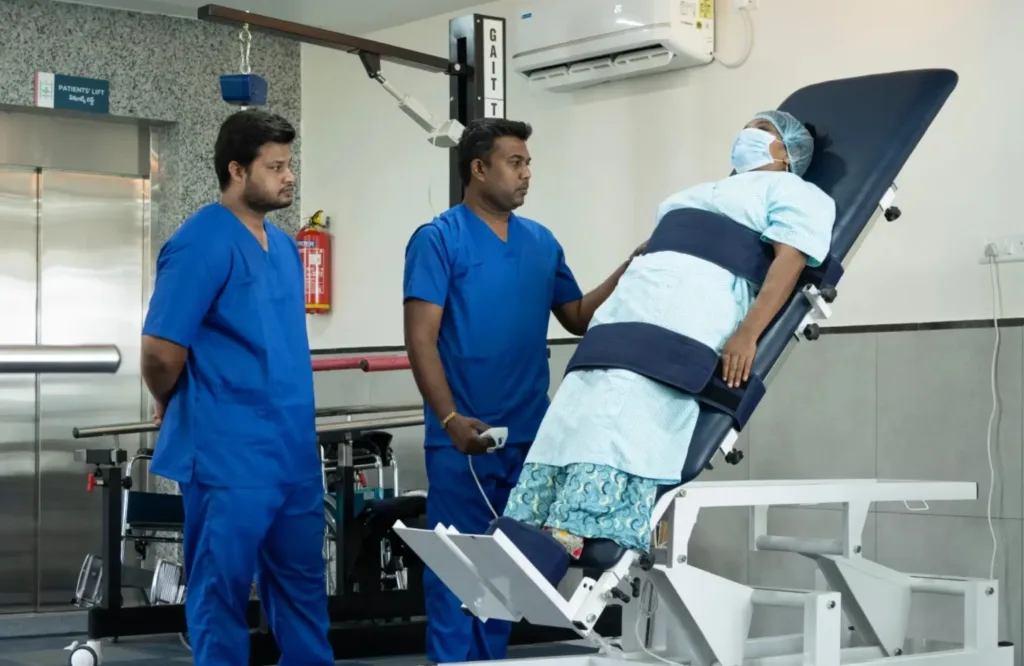
Home ❯ Blog ❯ Rehabilitation Rehabilitation Centre in Banjara Hills Your Complete Guide to Recovery and Independence When it comes to recovering after an illness, injury, or surgery, choosing the right rehabilitation centre in Banjara Hills can significantly influence how well and how quickly you return to your normal life. Many people assume that once they are discharged from the hospital, recovery will happen naturally over time, but there is a crucial difference between healing and functional recovery. While your body may be medically stable, it often lacks the strength, balance, and coordination required for everyday activities, and that gap is exactly where rehabilitation plays a vital role. A structured program at a rehabilitation centre in Banjara Hills focuses not just on recovery, but on helping you regain independence, confidence, and the ability to live life without constant support. What Is a Rehabilitation Centre and Why Is It Important? A physiotherapy rehabilitation centre in Banjara Hills is designed to help patients restore their physical and functional abilities after medical treatment. While hospitals focus on treating the condition, rehabilitation ensures that you can return to your daily routine safely and effectively. Without proper rehabilitation, many patients experience: Persistent weakness and fatigue Reduced mobility and flexibility Increased stiffness and pain Higher risk of falls or re-injury Delayed overall recovery In simple terms, rehabilitation bridges the gap between being discharged from the hospital and truly getting your life back. Who Should Consider a Rehabilitation Centre in Banjara Hills? Rehabilitation is not only for severe cases; it is for anyone who is not functioning at their full physical capacity. Often, patients underestimate their need for structured recovery until daily tasks start feeling difficult. You may benefit from a rehabilitation centre in Banjara Hills if you notice: Difficulty walking or moving without support Weakness after hospitalization or illness Pain or stiffness following surgery Balance issues or frequent falls Reduced stamina for everyday activities Early intervention in such cases can prevent long-term complications and significantly improve recovery outcomes. Types of Rehabilitation Services Available Neuro Rehabilitation Centre in Banjara Hills A neuro rehabilitation centre in Banjara Hills focuses on conditions affecting the brain and nervous system, such as stroke, Parkinson’s disease, or spinal cord injuries. These conditions often impact coordination, movement, and independence. Rehabilitation programs typically include: Balance and coordination training Gait (walking) retraining Muscle re-education exercises Functional and cognitive recovery techniques With consistent therapy, patients can gradually regain control and improve their quality of life. Ortho Rehabilitation Centre Banjara Hills An ortho rehabilitation centre in Banjara Hills supports recovery from orthopedic conditions such as fractures, joint replacements, and ligament injuries. Even after successful surgery, the body requires guided movement to regain full function. Key benefits include: Improved joint mobility and flexibility Reduced stiffness and post-surgical pain Strength rebuilding around affected areas Safer and faster return to daily activities Post Surgery Rehab Centre Banjara Hills After surgery, many patients hesitate to move due to fear of pain or damaging the surgical site, which can slow down recovery. A post surgery rehab centre in Banjara Hills ensures that movement begins safely and progressively. Rehabilitation focuses on: Pain management and swelling reduction Gentle mobility exercises Muscle activation and strengthening Guided walking and functional movement This structured approach helps patients regain confidence in their bodies while speeding up recovery. Stroke Rehabilitation Centre Banjara Hills Stroke recovery requires patience, consistency, and expert guidance. A stroke rehabilitation centre in Banjara Hills works on restoring movement, improving balance, and helping patients relearn everyday activities. Therapy often includes: Movement training for affected limbs Balance and posture correction Daily activity retraining Confidence-building exercises With the right support, patients can achieve significant improvements and regain independence. Sports Injury Rehab Banjara Hills For athletes and active individuals, recovery is not just about healing but about returning to peak performance. Sports injury rehab in Banjara Hills focuses on both recovery and prevention. Programs typically include: Injury-specific strengthening exercises Flexibility and mobility training Endurance and conditioning programs Techniques to prevent future injuries What Makes the Best Rehabilitation Centre in Banjara Hills? Choosing the best rehabilitation centre in Banjara Hills goes beyond convenience or location. The quality of care and approach to recovery play a major role in outcomes. Here’s what to look for: Structured programs: Clear, step-by-step recovery plans tailored to your condition Multidisciplinary care: Collaboration between doctors, physiotherapists, and specialists Personalized treatment: Individual attention based on your recovery pace Functional focus: Emphasis on real-life movement and independence Safe supervision: Guided exercises to ensure correct technique and prevent injury A good rehabilitation centre focuses not just on recovery, but on long-term wellness and independence. Why Early Rehabilitation Is Crucial Delaying rehabilitation is one of the most common mistakes patients make. Even a few weeks of inactivity can lead to significant muscle loss and reduced mobility. When rehabilitation is delayed, patients may experience: Increased stiffness and joint restrictions Loss of muscle strength Reduced balance and coordination Slower and more complicated recovery On the other hand, starting early offers several advantages: Faster improvement in strength and mobility Reduced risk of complications Better pain management Improved confidence in movement Early rehabilitation ensures that recovery begins at the right time, preventing setbacks later. What to Expect During Rehabilitation At a rehabilitation centre in Banjara Hills, the process is structured and patient-focused. It begins with a detailed assessment to understand your current condition and recovery goals. The journey typically includes: Initial evaluation: Assessing strength, mobility, and limitations Goal setting: Defining short-term and long-term recovery targets Therapy sessions: Including strength training, balance work, and mobility exercises Progress tracking: Regular monitoring and program adjustments Consistency is key, and gradual progress leads to sustainable recovery. How Rehabilitation Improves Daily Life The ultimate aim of rehabilitation is to restore independence and improve quality of life. Over time, patients begin to notice meaningful changes in their daily routines. Some of the most impactful improvements include: Walking without assistance Performing daily activities with ease Reduced pain and stiffness Better balance and coordination Increased confidence in movement These improvements may
Rehabilitation After ICU Stay in Hyderabad – A Complete Guide to Recovery
Home ❯ Blog ❯ Rehabilitation Rehabilitation After ICU Stay in Hyderabad A Complete Guide to Recovery Did you know? Nearly 50–70% of ICU survivors experience physical, mental, or cognitive challenges after discharge. This is known as Post-Intensive Care Syndrome (PICS), and it highlights why rehabilitation after ICU stay in Hyderabad is not optional – it is essential. Many believe recovery ends when they leave the ICU, but that’s when the real journey begins. The body may be stable, yet it is often weak, deconditioned, and not ready for daily life. A structured ICU patient rehabilitation program helps bridge that gap and restore independence. What Happens After ICU Discharge? After a prolonged ICU stay, especially with ventilator support or critical illness, the body undergoes significant stress. Muscles weaken, lung capacity reduces, and even cognitive function can be affected. This is why recovery after ICU discharge often includes: Severe fatigue and low energy Difficulty walking or standing Shortness of breath Memory or concentration issues Anxiety or mood changes Without proper post ICU rehabilitation in Hyderabad, these symptoms can last for months and affect overall quality of life. Why Rehabilitation After ICU Stay in Hyderabad Is Essential A structured rehabilitation after ICU stay in Hyderabad focuses on rebuilding strength, improving breathing, and restoring daily function step by step. It supports both physical and mental recovery. Key benefits include: Preventing long-term muscle loss Improving lung function and endurance Restoring balance and coordination Regaining independence in daily tasks Supporting emotional recovery Rehabilitation ensures that recovery is complete, not partial. Common Challenges After ICU Stay #1 Muscle Weakness After ICU Recovery Muscle weakness after ICU recovery is one of the most common issues. Even a few days of immobility can lead to noticeable strength loss. Patients may struggle with: Standing without support Walking short distances Climbing stairs Performing routine tasks Targeted physiotherapy helps rebuild strength safely and gradually. #2 Breathing Problems After ICU Treatment Patients who required oxygen or ventilator support often face breathing problems after ICU treatment. Even mild activity can cause breathlessness. Rehabilitation includes: Breathing exercises for lung efficiency Gradual activity to build stamina Techniques to manage breathlessness This is a key part of ICU recovery physiotherapy in Hyderabad. #3 Cognitive Issues After ICU Stay Recovery is not only physical. Many patients experience cognitive issues after ICU stay, such as memory gaps or poor concentration. These can affect: Focus and attention Decision-making Daily functioning A structured post intensive care syndrome treatment in Hyderabad helps address these challenges effectively. #4 Emotional and Psychological Impact ICU experiences can be overwhelming. Many patients feel anxious, fearful, or lack confidence after discharge. Rehabilitation helps by: Encouraging gradual independence Building confidence through progress Providing a supportive environment Rehabilitation After Ventilator Support Rehabilitation after ventilator support is crucial, as both lung function and muscle strength are affected. Recovery requires a focused and gradual approach. Programs typically include: Respiratory muscle training Mobility and strengthening exercises Functional movement training With consistent care, patients can regain both strength and breathing capacity. ICU Recovery for Elderly Patients ICU recovery for elderly patients requires extra care, as recovery may be slower and more complex. The focus is on safety and independence. Key areas include: Balance and fall prevention Gentle strength-building Improving endurance Enhancing mobility A structured ICU patient rehabilitation program ensures safe and steady recovery. What Does an ICU Patient Rehabilitation Program Include? A well-designed post ICU rehabilitation in Hyderabad is tailored to each patient. It combines multiple therapies to restore function effectively. Core Components Physical therapy: Strength and mobility Respiratory therapy: Lung function improvement Functional training: Daily activity practice Cognitive support: Memory and focus Emotional support: Confidence building Each step is monitored and adjusted for optimal recovery. Why Early Rehabilitation Makes a Difference Delaying recovery can slow progress and increase complications. The body loses strength quickly during inactivity. Starting rehabilitation after ICU stay in Hyderabad early helps: Speed up recovery Reduce stiffness and weakness Improve outcomes Restore independence faster Early action leads to better results. What to Expect During Recovery Recovery after ICU is gradual. Progress may feel slow, but consistency makes a big difference. Patients usually notice: Improved strength over time Reduced breathlessness Better balance and coordination Increased confidence Every small step contributes to long-term recovery. How Rehabilitation Transforms Daily Life Rehabilitation helps patients return to normal life step by step. Tasks that once felt difficult become easier with time. Patients often regain the ability to: Walk independently Perform daily activities Move without fear Re-engage in social life These changes improve both physical and emotional well-being. Your Journey to Recovery Starts Here Recovering from an ICU stay is not just about survival – it is about living independently again. Choosing the right rehabilitation after ICU stay in Hyderabad ensures a structured and effective recovery journey. With the right support, recovery is not just possible – it is achievable. Frequently Asked Questions What is Post-Intensive Care Syndrome (PICS)? PICS refers to the physical, cognitive, and psychological impairments that persist after ICU discharge. It affects 50-70% of ICU survivors and highlights the importance of structured rehabilitation programs. How long does ICU rehabilitation typically take? Recovery timelines vary based on the severity of illness, age, and overall health. Some patients show improvement within weeks, while others may require months of consistent rehabilitation. Early intervention typically accelerates progress. Can elderly patients recover fully after ICU stays? Yes, elderly patients can achieve significant functional recovery with appropriate rehabilitation. While recovery may be slower, tailored programs focusing on safety and gradual strengthening have shown excellent outcomes. What is ICU-acquired weakness? ICU-acquired weakness develops during prolonged critical illness due to immobility and physiological stress. Early rehabilitation and mobilization help prevent or minimize this weakness. Is psychological support important in post-ICU recovery? Absolutely. Many ICU survivors experience anxiety, PTSD-like symptoms, and depression. A comprehensive rehabilitation program should include emotional and psychological support alongside physical therapy. How can I find a specialized ICU rehabilitation centre in Hyderabad? Look for centres that offer multidisciplinary care, experienced physiotherapists, respiratory therapists, and psychological support.
Chronic Liver Disease Rehabilitation in Hyderabad – A Recovery Story
Home ❯ Blog ❯ Rehabilitation Chronic Liver Disease Rehabilitation in Hyderabad A Recovery Story Mr. K K’s journey is a powerful example of how timely medical care and a structured rehabilitation program can change outcomes. When patients with advanced liver disease face multi-organ dysfunction, recovery becomes complex and uncertain. At our advanced rehabilitation centre in Hyderabad, structured medical rehabilitation plays a vital role in restoring independence after critical illness. Initial Medical Condition When Mr. K K arrived at the rehabilitation unit, his condition was critical and life-threatening. He was diagnosed with chronic decompensated liver disease, complicated by: Severe volume overload Sepsis with multi-organ dysfunction (MODS) Hepatic encephalopathy At admission, he was confused, barely responsive, physically weak, and completely dependent on medical support for basic survival. Critical Care and Stabilization The initial phase focused on stabilizing his condition. The medical team prioritized: Infection management Fluid balance and volume control Liver support & Nutrition therapy Progress was gradual. However, with continuous critical care rehabilitation support, early signs of recovery began to appear. His infection came under control, breathing improved, and generalized swelling reduced. Most importantly, his neurological improvement became visible as the hepatic encephalopathy began to resolve. He progressed from minimal responsiveness to: Opening eyes to command Recognizing family members Following simple instructions Role of Rehabilitation in Recovery Once medically stable, post ICU rehabilitation in Hyderabad became the cornerstone of his recovery. A structured rehabilitation program was initiated, including: Physiotherapy for ICU patients Gradual mobility restoration Bed mobility and sitting balance training Activities of daily living recovery Gradual Functional Improvement Recovery occurred step by step. First, he was able to sit with support. Then he progressed to supported standing. Soon after, assisted walking began. What once required full assistance became increasingly independent. His confidence improved alongside his physical recovery – a key marker in multi-organ dysfunction recovery. Today, Mr. K K is: Fully conscious, alert, and oriented Independently mobile Able to perform daily activities Socially interactive and confident Why Early Rehabilitation Matters In complex conditions like chronic liver disease with MODS, early rehabilitation is not optional – it is essential. Timely intervention helps prevent ICU-acquired weakness, improve neurological recovery, and accelerate mobility restoration. Conditions Treated at Our Centre Our multidisciplinary team manages complex recovery pathways including: Chronic Liver Disease Recovery Post ICU Rehabilitation Multi Organ Dysfunction Neurological Rehabilitation Critical Care Rehab Post-Surgical Rehab Frequently Asked Questions Can patients recover after multi organ failure? Yes. With timely organ stabilization, infection control, and structured rehabilitation, many patients can achieve meaningful functional recovery. How long does hepatic encephalopathy recovery take? Recovery time varies depending on severity and underlying liver function. Cognitive improvement may begin within days to weeks once precipitating factors are controlled. What is post ICU rehabilitation? Post ICU rehabilitation is a structured therapy program that helps patients regain strength, mobility, breathing capacity, and daily function after critical illness. Is PRES completely reversible? Posterior Reversible Encephalopathy Syndrome (PRES) is often reversible when identified and treated early, though recovery timelines can vary. Where can I find a neuro rehabilitation centre? Look for centres in Hyderabad that offer multidisciplinary care, critical care rehabilitation expertise, and supervised physiotherapy programs tailored to complex recovery needs. Begin the Recovery Journey If your loved one is recovering from critical illness, liver disease, or prolonged ICU stay, early rehabilitation can make a life-changing difference. 📍 Contact our rehabilitation team Read More
