
Postpartum PRES Rehabilitation in Hyderabad – A Complete Neurological Recovery Story
Home ❯ Blog ❯ Rehabilitation Postpartum PRES Rehabilitation in Hyderabad A Complete Neurological Recovery Story Mrs. S’s journey is a powerful example of how coordinated care can transform outcomes. When a young mother develops a critical neurological emergency after childbirth, recovery can feel uncertain and overwhelming. At our advanced neuro rehabilitation centre in Hyderabad, structured intensive rehabilitation support plays a crucial role in restoring neurological function and independence. Initial Medical Condition When Mrs. S was transferred to the rehabilitation unit, she was fighting for her life. She had developed postpartum Posterior Reversible Encephalopathy Syndrome (PRES) following childbirth. Her condition was further complicated by: Multi-drug resistant ventilator-associated pneumonia (MDR-VAP) Prolonged ventilator dependence Tracheostomy for airway support At admission, she was completely dependent on life-sustaining care with minimal neurological responsiveness. Critical Care and Stabilization The immediate priority was aggressive medical stabilization. The multidisciplinary team initiated: Advanced infection control Continuous neurological monitoring Respiratory therapy and ventilator management Comprehensive supportive care Managing a resistant infection alongside neurological injury required round-the-clock vigilance. Gradually, clinical improvements began to appear. Her infection responded to treatment, and neurological responses slowly improved. Role of Neuro Rehabilitation in Recovery Once medically stable, PRES rehabilitation in Hyderabad became the turning point in her recovery. A structured program was initiated, including ventilator weaning rehabilitation, neurological physiotherapy, and functional retraining. Gradual Functional Improvement Recovery unfolded step by step. First, her ventilator dependence reduced. Then came successful tracheostomy weaning. Her speech gradually returned. With continued therapy: Sitting balance improved Standing became possible Assisted walking progressed to independent mobility Today, Mrs. S is: Fully conscious and neurologically intact Breathing independently Walking without support Able to care for her newborn with independence and joy Why Early Neuro Rehabilitation Matters In conditions like PRES with prolonged ventilator dependence, early and structured rehabilitation is critical. It helps accelerate ventilator weaning, improve cognitive recovery, and prevent ICU-acquired weakness. Conditions Managed PRES Rehabilitation Post ICU Neuro Recovery Ventilator Weaning Tracheostomy Recovery Neuro Physiotherapy Critical Illness Recovery Frequently Asked Questions Can patients fully recover from PRES? Yes. PRES is often reversible when treated early. With proper neurological care and rehabilitation, many patients achieve excellent recovery. How long does ventilator weaning take? The duration varies based on lung function and neurological status. A structured program significantly improves success rates. What is post ICU neuro recovery? It is a specialized rehabilitation process that helps patients regain cognitive, respiratory, and physical function after critical neurological illness. When can a tracheostomy be safely removed? Removal is considered once the patient demonstrates adequate breathing strength, airway protection, and stable neurological status. Begin the Recovery Journey If your loved one is recovering from PRES, prolonged ventilation, or critical neurological illness, early rehabilitation can be life-changing. 📍 Contact our neuro rehabilitation team to support safe, structured, and complete neurological recovery. Read More
Post-Surgery Rehabilitation Centers in Hyderabad: What to Expect for a Safer, Steadier Recovery
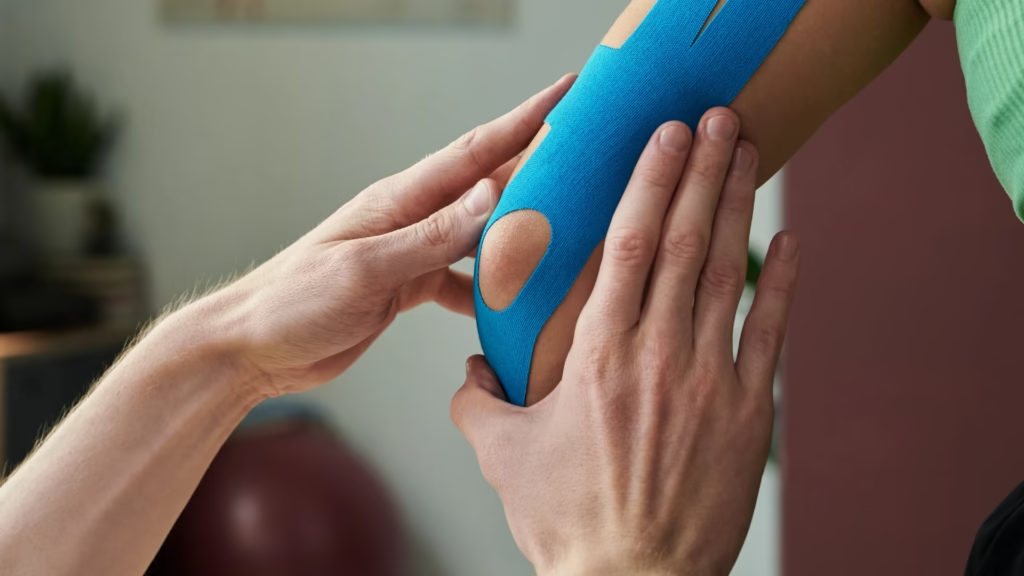
Surgery is often seen as the finish line. In reality, it’s the starting point. What happens in the days and weeks after surgery decides how well your body heals, how confidently you move, and whether pain truly settles or quietly lingers. This is where post-surgery rehabilitation becomes essential – not as an add-on, but as a core part of recovery. If you are considering a post-surgery rehabilitation center in Hyderabad, here’s what you should realistically expect and why it matters. Why Post-Surgery Rehabilitation Is Not Optional After surgery, the body enters a delicate healing phase. Muscles weaken quickly, joints stiffen, and even simple movements can feel unfamiliar or uncomfortable. Many people assume rest alone will solve this, but prolonged rest often creates more problems than it prevents. Post-operative rehabilitation gently reintroduces movement in a structured way. It helps reduce pain and swelling, restores strength and mobility, and most importantly, teaches the body how to move correctly again. Without this guidance, faulty movement patterns can develop, making recovery longer and more difficult. What Actually Happens Inside a Rehabilitation Center The first thing most people notice at a good rehabilitation center is that recovery isn’t rushed. Rehabilitation begins with a detailed understanding of your surgery, your current pain levels, and how your body is responding so far. Therapists observe how you move, how stable you feel while walking, and where your body is compensating. This isn’t just about exercise – it’s about understanding how your whole body is adapting after surgery. Based on this, a personalized recovery plan is created. This plan evolves as your body heals. Early sessions may focus on pain control and gentle movement. As strength improves, therapy gradually shifts toward rebuilding endurance, balance, and confidence in daily activities like walking, climbing stairs, or getting in and out of a chair. Rehabilitation After Common Surgeries For orthopedic and joint surgeries, rehabilitation focuses on restoring natural joint movement and strengthening surrounding muscles so the joint is supported properly. This prevents stiffness and reduces long-term discomfort. After knee replacement surgery, therapy is especially important. Regaining knee bending, rebuilding thigh strength, and relearning normal walking patterns are essential for long-term success. Skipping or delaying rehab often leads to persistent stiffness. Spine surgery rehabilitation is approached with extra care. The focus is on posture correction, core strength, and safe movement strategies that protect the spine while gradually restoring independence. In cases of fractures, especially after periods of immobilization, rehabilitation helps reverse stiffness and muscle weakness. It ensures that movement returns smoothly without overloading healing bones. Recovery Looks Different for Older Adults Recovery after surgery can be more challenging for elderly patients. Balance issues, reduced muscle strength, and fear of falling often slow progress. That’s why rehabilitation for elderly patients needs to be carefully supervised and paced. With the right guidance, elderly individuals can regain mobility safely, improve balance, and maintain independence – often better than expected. The key is consistency, patience, and proper medical oversight. Why Supervised Rehabilitation Makes a Difference One of the biggest mistakes people make is trying to recover entirely on their own or relying only on unsupervised exercises. Medically supervised rehabilitation ensures exercises are done correctly, progressed at the right time, and adjusted based on pain or fatigue. This reduces the risk of reinjury and prevents small setbacks from turning into long-term problems. Recovery becomes safer, smoother, and more predictable. Choosing the Right Rehabilitation Center in Hyderabad The right rehabilitation center doesn’t promise instant results. Instead, it offers structured care, expert supervision, and a clear recovery plan that adapts as your body heals. Look for a center that prioritizes personalized therapy, experienced physiotherapists, and long-term functional recovery rather than quick fixes. A Thoughtful Approach to Recovery Recovery isn’t about pushing harder – it’s about moving smarter. At Care Convoy, post-surgery rehabilitation is designed to support healing at every stage, with medically supervised therapy plans tailored to each individual’s surgery, age, and recovery needs. 📍 Care Convoy, Kamalapuri Colony, Hyderabad If you or a loved one is recovering from surgery, the right rehabilitation support can make all the difference between simply healing and truly getting back to life. Book Your Appointment Today Reach out to the Care Convoy team and we’ll help you book a time that suits you best. 📞 Call: +91-7799555018📧 Email: careconvoy56@gmail.com We’re always just a call or message away. Your health matters — and we’re here whenever you need us. Read Also – Rehabilitation for Elderly Patients in Hyderabad
Rehabilitation for Elderly Patients in Hyderabad: Restoring Strength, Safety, and Independence

Aging changes the body quietly. Muscles weaken faster, balance becomes less reliable, and recovery after illness or injury takes longer than it once did. For many elderly individuals, a small fall, a short hospital stay, or lingering joint pain can suddenly affect confidence, mobility, and independence. This is why rehabilitation for elderly patients is not just about exercise – it is about helping seniors move safely, regain control over their bodies, and maintain quality of life. If you are looking for geriatric rehabilitation services in Hyderabad, here’s what truly matters and what families should expect. Why Rehabilitation Is Essential for Seniors In older adults, inactivity leads to rapid muscle loss and stiffness. Even a few weeks of reduced movement can cause weakness, poor balance, and fear of falling again. Unfortunately, many seniors are advised to “rest more,” which often worsens the problem. Rehabilitation helps reverse this decline. Through guided movement, balance training, and strength-building exercises, elderly patients relearn safe movement patterns. This not only reduces pain but also restores confidence in daily activities like walking, standing up, and climbing stairs. Rehabilitation After Falls: More Than Just Healing Injuries Falls are one of the most common reasons elderly patients need rehabilitation. While bruises or fractures may heal, the fear of falling again often remains. This fear leads to reduced movement, which increases weakness and raises the risk of future falls. Rehabilitation after a fall focuses on rebuilding strength, improving balance, and correcting walking patterns. Therapists also identify why the fall happened – whether due to muscle weakness, poor posture, or coordination issues – and address the root cause instead of just the injury. Stroke Rehabilitation for Elderly Patients Stroke recovery is different at every age, but elderly patients need extra attention and patience. Weakness on one side, difficulty with coordination, or reduced endurance can make everyday tasks overwhelming. Stroke rehabilitation aims to retrain the brain and body together. Through repetitive, supervised movements, seniors gradually regain control, improve balance, and relearn functional activities like standing, walking, or using their hands effectively. Early and consistent rehabilitation plays a major role in preventing long-term disability. Managing Joint Pain and Age-Related Mobility Issues Chronic joint pain, arthritis, and stiffness are common complaints among seniors. Over time, pain leads to altered movement – limping, avoiding one side, or relying heavily on support, which creates more strain on the body. Rehabilitation for joint pain focuses on gentle mobility exercises, muscle strengthening, and posture correction. When done under supervision, therapy reduces pain while protecting joints from further damage. The goal is not just comfort, but safer and more confident movement. Balance, Strength, and Fall Prevention One of the most important aspects of geriatric rehabilitation is fall prevention. As muscle strength reduces and reflexes slow, balance becomes unstable. Rehabilitation programs for seniors include targeted balance training, leg strengthening, and coordination exercises designed specifically for ageing bodies. With proper training, many elderly individuals significantly reduce their risk of falls and regain trust in their own movement. Why Supervised Rehabilitation Is Safer for Seniors Elderly rehabilitation should never be rushed or unsupervised. Medically supervised therapy ensures that exercises are appropriate for the patient’s age, medical history, and current strength levels. Therapists monitor posture, breathing, fatigue, and safety at every step. This reduces injury risk and ensures steady, sustainable progress. Supervised rehabilitation also helps seniors stay motivated, consistent, and emotionally supported during recovery. Rehabilitation That Supports Independence and Quality of Life At its core, rehabilitation for seniors is about preserving independence. Being able to walk safely, perform daily activities, and move without fear has a direct impact on confidence, mental health, and overall quality of life. With the right rehabilitation approach, many elderly patients regain far more function than they expect. Thoughtful Geriatric Rehabilitation in Hyderabad At Care Convoy, elderly rehabilitation is approached with patience, safety, and respect for each individual’s pace of recovery. Therapy programs are medically supervised, personalised, and focused on restoring strength, balance, and confidence – not just managing symptoms. 📍 Care Convoy, Kamalapuri Colony, Hyderabad If ageing, illness, or injury has reduced mobility or independence, the right rehabilitation support can help seniors move better, safer, and with dignity. Book Your Appointment Today Reach out to the Care Convoy team and we’ll help you book a time that suits you best. 📞 Call: +91-7799555018📧 Email: careconvoy56@gmail.com We’re always just a call or message away. Your health matters — and we’re here whenever you need us. Read Also – Post-Surgery Rehabilitation Centers in Hyderabad
Affordable ICU Care Alternatives in Hyderabad: How Transitional Care Saves Costs

Families across Hyderabad often face confusion when a loved one spends long days in an ICU. Bills rise fast, stress builds, and questions begin to overwhelm everyone involved. Many people feel lost and begin searching for affordable ICU care alternatives in Hyderabad that can protect health without draining savings. Transitional care offers a safe, medically supervised, and cost-saving bridge between intensive treatment and home recovery. Care Convoy blends experience, clinical skill, and human understanding to support people during this difficult phase. This page explains how transitional care reduces expenses, supports recovery, and gives families relief from financial and emotional pressure. Why People Look for Affordable ICU Care Alternatives in Hyderabad When families see ICU bills rising, they usually ask: Is there any lower-cost solution that still protects my loved one? If the patient is stable, why should they stay longer inside the ICU? What exactly makes ICU stays so expensive in Hyderabad hospitals? Is there a safer step-down option before going home? These questions come from fear, budget stress, and the need for clarity. Hyderabad’s major hospitals often experience heavy critical-care loads, leading to extended ICU stays even after the immediate crisis is over. Transitional care helps move patients out of the ICU safely, reducing expenses while keeping medical supervision intact. Understanding Transitional Care Transitional care supports people who are stable enough to leave the ICU but still require continuous monitoring, rehabilitation, and nursing support before returning home. It focuses on recovery, strength-building, and preventing complications. Key services include: Continuous nursing Medication management Respiratory support Vital monitoring Physiotherapy Mobility rebuilding Nutrition support Speech and occupational improvement Clinical reviews by doctors For many families, transitional care becomes a safe and structured alternative with lower overall cost and higher comfort for the patient. How Transitional Care Reduces ICU Costs When people search for affordable ICU care alternatives in Hyderabad, they want clear financial explanations. Transitional care helps save money through multiple factors. Much Lower Daily Cost Compared to ICU ICUs require advanced machines, emergency specialists, and around-the-clock high-alert staffing. Transitional care delivers medical supervision and monitoring, but without the high cost of critical systems. Reduced Dependence on Critical Equipment Once the patient is medically stable, ventilators, invasive monitoring systems, and constant intensive-care intervention are no longer needed. Transitional care uses essential monitoring devices only, lowering the expense dramatically. Faster Shift Out of Critical Units A long ICU stay is one of the biggest contributors to hospital bills. Shifting a stable patient early to transitional care helps control costs without affecting safety. Integrated Rehabilitation Under One Plan Physiotherapy, speech therapy, and mobility programmes are included in transitional care plans. Families do not need to pay for separate services. Fewer Complications Due to Better Movement and Monitoring Long ICU stays increase risk of infections, muscle weakness, and breathing issues. Transitional care encourages early mobility, chest exercises, and structured strengthening that prevent complications and reduce future medical expenses. Who Should Consider Transitional Care? People usually look for low-cost ICU alternatives during situations such as: Recovery after surgery Stroke-related weakness Ventilator weaning Post-trauma recovery Cardiac events Neurological issues Senior citizens needing supervision before going home Long-term illnesses that require controlled monitoring These situations require steady clinical supervision but not the intensity of an ICU. Why ICU Bills Rise So Quickly in Hyderabad Families often wonder why ICU stays feel financially overwhelming. Common reasons include: Charges for critical equipment Highly specialized critical-care teams High dependency nursing Infection control protocols Advanced monitoring Limited number of ICU beds in city hospitals As soon as the patient improves, staying inside the ICU becomes unnecessary and expensive. Transitional care offers relief by providing the right level of care at a lower cost. Why Transitional Care Helps Families Emotionally During illness, emotions run high. Many feel fear, stress, guilt, and pressure to make the right decision. Transitional care brings relief through: Continuous updates from nurses and doctors A quieter, more comfortable setting compared to the ICU Faster visible progress through rehabilitation Reduced financial burden The sense that recovery is moving forward Families feel reassured knowing their loved one is safe without facing extreme costs. Why Care Convoy Stands Out for Transitional Care in Hyderabad Care Convoy focuses on structured clinical recovery supported by experienced doctors, nurses, and therapists. The goal is simple: steady progress, consistent monitoring, and safe transition out of the hospital system. Core Strengths of Care Convoy Condition-Specific Recovery Plans Each patient receives a care plan based on medical requirements, treatment history, and daily progress. Continuous Monitoring Vital signs, medication schedules, respiratory needs, nutrition, and movement are monitored through standardized protocols. Rehabilitation Focus Daily physiotherapy, occupational improvement, and respiratory exercises are part of the routine to rebuild strength and prevent setbacks. Regular Doctor Visits Senior doctors assess recovery and make timely adjustments. Family Involvement We keep families updated so they feel informed and confident. Financial Advantages Families Experience Reduced Long-Term Costs By improving mobility and health faster, transitional care lowers future medical spending. Lower Chance of ICU Readmission Steady rehabilitation and expert monitoring prevent emergencies. Avoiding Multiple External Services All essential recovery services are included under one framework. Better Recovery Timeline A well-managed transitional phase shortens overall recovery and lowers the total financial impact. How Transitional Care Compares to Home Care Many families consider sending the patient home after a long ICU stay. However, home care fails to provide: Skilled medical supervision Professional nursing support Daily rehabilitation Clinical assessment Emergency preparedness Transitional care fills this gap, offering hospital-level monitoring without ICU-level costs. Local Relevance: Hyderabad’s Current Healthcare Need Across areas like Gachibowli, Kondapur, Kukatpally, Jubilee Hills, Secunderabad, Madhapur, and Miyapur, families face rising ICU occupancy and fast-growing treatment expenses. As more people search for affordable ICU care alternatives in Hyderabad, transitional care is becoming a widely preferred solution due to its safety, structured recovery, and lower cost. Common Questions Families Ask Is transitional care safe for post-ICU patients? Yes. Transitional care is designed for stable patients who require monitoring and rehabilitation. Will the patient get regular doctor reviews? Yes.
Prolonged Ventilatory Support in Hyderabad: How Rehab Centres Help in Recovery

When a patient depends on a ventilator for many days, the situation becomes emotionally draining for both the patient and their family. Long periods of machine-assisted breathing often create fear, confusion, and financial stress. Many families across Hyderabad start searching for prolonged ventilatory support in Hyderabad because they want a structured recovery setting that supports ventilator reduction without the intensity of an ICU. Rehab centres provide a controlled environment for weaning, strengthening, and respiratory improvement. With a mix of medical supervision, respiratory therapy, physiotherapy, and continuous monitoring, these centres help patients move toward independent breathing at a safe pace. This guide explains why prolonged ventilator support occurs, how rehab centres help, and why they have become essential in Hyderabad for post-critical recovery. Why Patients Need Prolonged Ventilatory Support Ventilator dependence continues when the lungs or breathing muscles remain too weak to function independently. Several conditions lead to this phase: Severe lung infections Complications after major surgery Neuromuscular weakness Stroke-related breathing difficulty Trauma Chronic respiratory conditions like COPD Heart-related issues Respiratory failure due to prolonged illness Even after emergency symptoms stabilize, many patients struggle to breathe without assistance. Families often ask: “Why is breathing still weak even after improvement?” “How long will this support be needed?” “What is the safest way to reduce ventilator use?” Rehab centres help answer these questions with clear assessments and structured ventilator weaning plans. Understanding Key Challenges During Long-Term Ventilator Use Long-term ventilator dependence introduces several complications: Weakening of Breathing Muscles When the machine handles most of the work, the diaphragm and chest muscles gradually weaken. Reduced Movement and Strength Prolonged bed rest leads to muscle loss, stiffness, and poor endurance. Anxiety During Independent Breathing Trials Patients often panic when asked to breathe without support because the body feels unfamiliar with natural breathing rhythms. High Risk of Respiratory Infections Ventilator tubing increases infection chances, especially if airway clearance is weak. Poor Lung Expansion When the lungs do not expand fully, recovery slows down. Family Stress and Financial Burden Loved ones feel overwhelmed while watching the patient struggle and managing long hospital stays. Rehab centres tackle every one of these challenges through organized protocols. What Rehab Centres in Hyderabad Do for Prolonged Ventilator Care Families searching for prolonged ventilatory support in Hyderabad look for a place where recovery continues with constant medical supervision but without the noise, intensity, and cost linked with critical units. Rehab centres play a major role through structured interventions. 1. Step-by-Step Ventilator Weaning Programme Weaning is the gradual reduction of ventilator support as the lungs and muscles regain strength. Rehab centres follow a methodical process that includes: Controlled reduction of pressure support Spontaneous breathing trials Diaphragm strengthening Lung expansion drills Monitoring oxygen saturation and breathing rate Tracheostomy management when required This stepwise reduction lowers the risk of sudden breathing fatigue and builds confidence. 2. Respiratory Therapy Throughout the Recovery Process Respiratory therapy forms the backbone of ventilator weaning. Trained therapists assist with: Breathing pattern training Chest vibrations for secretion clearance Postural drainage Incentive spirometry Airway hygiene Lung stretching techniques Non-invasive support adjustments These interventions help patients work toward natural breathing at a steady pace. 3. Active Physiotherapy for Muscle Strength Weak muscles are one of the biggest reasons patients struggle during weaning. Rehab centres focus on: Bed mobility Upper and lower limb strengthening Trunk stability Gradual sitting and standing practice Walking support when possible Endurance improvement When strength returns, breathing becomes easier and more natural. 4. Round-the-Clock Nursing Care Skilled nursing teams manage: Airway clearance Suctioning when required Oxygen adjustment Nebulization Tracheostomy care Monitoring vital signs Early detection of breathing difficulty Constant observation reduces complications and keeps the patient stable. 5. Preventing Ventilator-Related Complications Rehab teams work actively to prevent: Chest infections Bedsores Muscle stiffness Dehydration Malnutrition Sleep disruptions Prevention is crucial because complications often delay ventilator weaning. 6. Psychological Support During Weaning Breathing without support creates anxiety because the body has become dependent on machine rhythm. Rehab centres help patients manage: Fear of breathlessness Panic episodes Stress during breathing trials Lack of confidence in natural breathing Sleep disturbances Emotional support improves participation and stability during the process. 7. Regular Doctor Supervision for Safe Progress Doctors evaluate: Lung recovery Muscle strength Oxygen requirements Heart function Infection indicators Progress with breathing trials Suitability for ventilator reduction Every decision is medically guided to ensure safety. Why Rehab Centres Are Better Than Long ICU Stays for Ventilator Weaning Many families worry about shifting out of an ICU, but rehab centres often provide advantages once the patient is stable. Focus on Rehabilitation Instead of Intensive Crisis Care Rehab centres aim to rebuild strength, improve lung function, and prepare the patient for independence. Lower Daily Cost ICUs involve high expenses because of continuous emergency readiness. Rehab centres provide ventilator support in a controlled setting at lower cost. Reduced Risk of ICU Fatigue ICU fatigue is common due to noise, bright lights, and constant alarms. Rehab centres provide a calmer environment. Better Family Communication Families receive regular updates on progress, weaning strategy, and physical improvement. Integrated Care Under One Framework Respiratory therapy, physiotherapy, nursing care, medical reviews, and airway management remain under one coordinated system. Signs a Patient Is Ready for Ventilator Reduction Rehab centres identify readiness through: Stable oxygen levels Reduced infection markers Improved chest movement Better alertness Stronger breathing muscles Ability to handle short spontaneous breathing sessions Progress depends on individual health and underlying conditions. Why Home Care Alone Is Not Enough for Prolonged Ventilator Support Although many families prefer home care, prolonged ventilatory support requires: Continuous clinical monitoring Skilled airway care Breathing trials supervised by therapists Emergency handling capability Lung rehabilitation tools Tracheostomy care (when applicable) Home care rarely provides this level of clinical support, making rehab safer. Hyderabad’s Current Respiratory Care Need Across areas like Gachibowli, Kondapur, Kukatpally, Jubilee Hills, Secunderabad, Hitec City, and Miyapur, residents face increasing respiratory illnesses due to pollution, dust exposure, seasonal flu spikes, and chronic lung conditions. This rise has increased the number of patients requiring prolonged ventilatory support
Cardiac Rehabilitation Banjara Hills – Care Convoy’s Comprehensive Heart Care

Heart health is one of the most important aspects of overall well-being. For those who have experienced a heart attack, undergone cardiac surgery, or are dealing with conditions like heart failure, structured recovery is vital. This is where cardiac rehabilitation in Banjara Hills plays a crucial role. It is a medically supervised program designed to improve cardiovascular health, restore confidence, and reduce the risk of future heart problems. At Care Convoy, we provide specialized cardiac rehabilitation services in Banjara Hills, focusing on recovery, lifestyle improvements, and long-term heart wellness. With expert medical guidance, carefully planned exercises, and patient education, we ensure every individual receives the right support throughout their healing journey. What is Cardiac Rehabilitation? Cardiac rehabilitation is a medically supervised program for people who have had heart-related conditions, such as a: Heart attack Angioplasty or stent placement Coronary artery bypass surgery Heart valve surgery Heart failure The program typically includes a mix of physical exercises, education about heart-healthy living, and counseling to reduce stress. In Banjara Hills, cardiac rehabilitation has gained importance as more people look for expert-led recovery options that focus on long-term well-being. Importance of Cardiac Rehabilitation in Banjara Hills Cardiac rehabilitation is not just about physical recovery—it is about preventing future complications and improving quality of life. Patients in Banjara Hills benefit from such structured programs because they: Improve heart function gradually and safely. Reduce the risk of another cardiac event. Provide psychological support to deal with post-surgery or post-attack anxiety. Educate patients about diet, medication, and lifestyle habits that protect the heart. For people living in urban environments like Banjara Hills, where stress and lifestyle-related diseases are common, cardiac rehabilitation is a critical step toward recovery and better heart health. Who Needs Cardiac Rehabilitation? Cardiac rehabilitation is strongly encouraged for: Patients who have recently undergone heart surgery Individuals who suffered a heart attack People who had angioplasty or stent placement Patients diagnosed with heart failure Those with chronic heart disease requiring lifestyle adjustments Cardiac rehabilitation is not age and gender dependent. Young and old patients equally derive considerable benefit from a medically supervised cardiac rehabilitation program. What Happens During Cardiac Rehabilitation? A cardiac rehabilitation program is usually divided into phases. Initial Assessment Doctors and specialists evaluate the patient’s health condition, fitness level, and medical history. Based on this, a personalized plan is designed. Supervised Exercise Training Patients undergo safe workouts under expert supervision. Activities may include walking, cycling, or light strength training. The exercises are monitored to ensure safety. Nutritional Counseling A balanced diet plays a crucial role in recovery. Nutrition experts provide guidance on foods that support heart health and reduce risks of obesity, diabetes, and high cholesterol. Emotional and Psychological Support Many patients feel anxious or depressed after a cardiac event. Counseling sessions help them regain confidence and deal with emotional stress. Long-Term Lifestyle Guidance Rehabilitation is not just a short-term recovery plan. Patients receive long-term guidance to maintain a healthy lifestyle, including stress management, smoking cessation, and regular physical activity. Why Cardiac Rehabilitation Matters After Surgery Several patients believe that surgery will take care of the problem when in reality it is the recovery that involves the most risk for the long-term health of the patient. If patients do not go to cardiac rehabilitation after surgery the chance for another heart event increases. Rehabilitation allows for: An organized recovery from surgery without overdoing it An ongoing heart function evaluation A decreased chance for readmission to the hospital Better emotional wellness and social confidence This makes cardiac rehabilitation in Banjara Hills a necessary follow-up step after surgery. Lifestyle Changes Encouraged in Cardiac Rehabilitation At Care Convoy we focus on lifestyle changes that promote extended recovery: Following a heart-friendly diet rich in vegetables, fruits, and whole grains Maintaining regular physical activity under safe conditions Managing stress through relaxation techniques Quitting smoking and limiting alcohol consumption Taking prescribed medications without interruption These small lifestyle changes can empower patients for an extended period of time in their heart health. Common Myths About Cardiac Rehabilitation Myth 1: Cardiac rehabilitation is only exercise.Reality: It is a comprehensive program that includes medical care, diet planning, counseling, and lifestyle management. Myth 2: It is only for older patients.Reality: People of all ages who have had heart conditions can benefit from it. Myth 3: Once rehab is done, you can stop exercising.Reality: The program builds habits that must continue lifelong for best results. Long-Term Lifestyle Changes After Rehabilitation The goal of cardiac rehabilitation is not just short-term recovery but long-term heart health. After completing the program, patients in Banjara Hills are encouraged to: Continue regular physical activity. Follow a heart-healthy diet. Manage stress effectively. Go for regular heart checkups. These steps ensure the benefits of rehabilitation extend well beyond the supervised sessions. Why Choose Care Convoy for Cardiac Rehabilitation in Banjara Hills? At Care Convoy, we believe that every patient has their own journey to recovery. Our cardiac rehab services in Banjara Hills integrate the medical evidence, a personalized exercise program, and emotional support. Health care professionals experienced in cardiac rehabilitation offer patients the support and guidance they need to regain confidence and enhance their quality of life. We focus on: Safe and progressive exercise sessions. Expert dietary and lifestyle counseling. Compassionate care to support emotional well-being. Our aim is to help patients recover smoothly and build a sustainable path to heart health. . Frequently Asked Questions What is cardiac rehabilitation? Cardiac rehabilitation is a medically supervised program designed to improve heart health after a heart attack, heart surgery, or other cardiac conditions. It combines exercise training, lifestyle guidance, nutrition counseling, and stress management. Who should consider joining a cardiac rehabilitation program in Banjara Hills? Anyone recovering from a heart attack, angioplasty, bypass surgery, heart failure, or other cardiovascular conditions can benefit from a structured cardiac rehab program. What are the main benefits of cardiac rehabilitation It helps improve cardiovascular fitness, lowers the risk of future heart problems, manages stress, promotes a healthier lifestyle, and enhances overall quality of life.
Cancer Care in Banjara Hills: Expert Guidance and Comprehensive Support

Cancer is a life-changing diagnosis that requires timely treatment, advanced medical expertise, and compassionate support. For patients and families in Hyderabad, Cancer Care in Banjara Hills has become a trusted option, offering access to highly skilled oncologists, modern treatment facilities, and personalized medical care. With a focus on both medical excellence and emotional well-being, cancer patients can receive the right blend of advanced treatment and dedicated support close to home. At Care Convoy, we understand that every patient’s journey with cancer is unique. From diagnosis to treatment and recovery, our goal is to make this process as effective and supportive as possible. Our team connects patients with leading cancer specialists in Hyderabad, ensuring that they receive accurate diagnosis, the latest therapies, and comprehensive care throughout their treatment. Understanding Cancer Care in Banjara Hills Banjara Hills has evolved into a major hub for healthcare in Hyderabad, with several hospitals and specialty clinics offering oncology services. However, cancer treatment requires much more than just medical intervention—it involves early diagnosis, advanced therapies, continuous monitoring, and psychological support. At Care Convoy, we appreciate that every cancer case is unique, and our goal is to provide an in-depth evaluation and approach to treatment planning, assuring the patient, and their loved ones, that they have everything they need at the right time. The resources available for diagnostic testing, surgical treatment options, chemotherapy treatment units, radiation treatment, and supportive care all in Banjara Hills makes it a destination for patients throughout Telangana, and beyond. Types of Cancers Treated At Care Convoy, patients can access specialized treatments for a wide range of cancers. Some of the major areas include: Breast Cancer Care – Early screening, diagnosis, oncoplastic surgeries, and advanced therapies. Lung Cancer Treatment – State-of-the-art diagnostic imaging, thoracic oncology care, and targeted therapies. Liver and Gastrointestinal Cancers – Expert hepatobiliary and gastrointestinal surgeons backed by advanced imaging and interventional gastroenterology. Blood Cancers (Hematology-Oncology) – Leukemia, lymphoma, and multiple myeloma managed with the latest protocols. Gynecological Oncology – Ovarian, cervical, and uterine cancer treatments with a focus on fertility-preserving options where applicable. Head and Neck Cancers – Specialist surgeries, including thyroid and parotid surgeries. Pediatric Oncology – Dedicated care for children, ensuring comfort and effective treatment. By offering such diverse and specialized options, Cancer Care in Banjara Hills through Care Convoy ensures that patients don’t have to search far for advanced treatment. Key Elements of Cancer Care in Banjara Hills When patients look for the right cancer treatment, they often seek centers that combine multiple aspects of care under one roof. In Banjara Hills, cancer services generally include: Early Detection and Screening Screening tests such as mammograms, Pap smears, colonoscopies, and genetic testing for high-risk individuals help in identifying cancer at its earliest stages. Early diagnosis allows for better treatment outcomes and reduces the intensity of therapies required. Accurate Diagnosis Advanced imaging, pathology, and molecular diagnostics are used to identify the exact stage and type of cancer. Personalized treatment plans are built upon precise diagnostic findings. Medical Oncology Treatments Chemotherapy, targeted therapy, immunotherapy, and hormone therapy are administered depending on the cancer type. Patients are closely monitored to ensure effectiveness and manage side effects. Surgical Oncology Surgeries range from minimally invasive techniques to complex tumor removals. Expertise in oncoplastic and reconstructive procedures helps patients maintain quality of life post-surgery. Radiation Therapy Modern technology ensures high-precision radiation delivery while minimizing damage to healthy tissues. This is especially effective for tumors that are not easily accessible through surgery. Supportive and Palliative Care Pain management, nutritional support, counseling, and physiotherapy form an essential part of Cancer Care in Banjara Hills. Emotional well-being and comfort are equally prioritized along with medical treatment. The Role of Multidisciplinary Teams in Cancer Care Cancer treatment is rarely managed by a single doctor. Instead, it requires a team-based approach. A multidisciplinary team may include: Medical Oncologists – Experts in chemotherapy, immunotherapy, and targeted treatments. Surgical Oncologists – Specialists in tumor removal and reconstructive surgeries. Radiation Oncologists – Focused on delivering radiation therapy precisely. Pathologists and Radiologists – Providing detailed diagnostic insights. Palliative Care Specialists – Managing pain and improving comfort. Nutritionists and Counselors – Supporting overall health and mental well-being. This collaborative approach ensures patients receive holistic Cancer Care in Banjara Hills, where each aspect of their health is addressed by dedicated professionals. Enhanced Technology in Cancer Care Modern medicine has made possible new ways to improve how cancer is treated today. Care Convoy uses technology to facilitate precision-based care. Advanced Technologies in Cancer Care Some of the advanced technology being used in Cancer Care in Banjara Hills today includes: Robot assasted-surgeries to improve accuracy without scaring. Genomic testing to evaluate response to therapy and pick the best treatment. Daycare chemotherapy units for patients who need a shorter stay in the hospital. The combination of these technologies provides patients with access to global standards of care without needing to go beyond Hyderabad. The Role of Care Convoy in Community Support Care Convoy, in addition to providing treatment, also actively participates in community health efforts. Regularly, awareness programs are held both within Banjara Hills, and beyond as well, to educate the population on the benefits of catching cancer in its earliest stages, before it even develops, necessitating a lifestyle change or prevention strategy. Community outreach also includes: Free cancer screening camps. Educational talks at schools, offices, and residential societies. Collaboration with NGOs for patient assistance. This demonstrates that Cancer Care in Banjara Hills, is about more than treatment, but about prevention, and awareness. Why Choose Care Convoy for Cancer Care in Banjara Hills? Choosing the right healthcare provider is one of the most important decisions for any cancer patient. Care Convoy stands out because of its commitment to medical excellence, compassionate care, and a supportive environment. Here’s why patients trust us: Experienced and qualified oncologists and surgeons State-of-the-art technology and diagnostic facilities Comprehensive treatment under one roof Supportive staff focused on patient well-being Emphasis on both treatment and emotional support At Care Convoy, we don’t just
Comprehensive Cancer Care & Recovery in Hyderabad

Cancer is one of the most difficult health problems to face, impacted health, emotional, or mental or otherwise. Early detection, timely treatment, and comprehensive recovery can improve survival and quality of life. In Hyderabad, patients looking for trusted, compassionate care have access to knowledgeable and advanced medical facilities, and skilled oncologist to guide them to care. Care Convoy strives to provide comprehensive holistic cancer care and recovery services that ensures continuity of care and personalized treatment plans for recovery. Understanding Cancer Cancer is a disease in which cells within the body multiply uncontrollably and spread to nearby or distant locations. There are over 100 types of cancer including breast, lung, colon, prostate, and blood cancers. Symptoms or warning signs vary depending on the type and stage, but general symptoms may include uncharacteristic fatigue, noticeable or unexplained weight loss, cysts, lumps or swelling, changes in appearance of the skin, or chronic pain. Identifying early warning signs is crucial since early-stage detections are correlated with significantly better treatment outcomes. Importance of Early Detection Early detection can often be the deciding factor in more successful cancer treatment. Health screenings, imaging and wellness tests, and blood work tests are important to help uncover cancers while they are most treatable. Hyderabad contains state-of-the-art diagnostic facilities equipped with diagnostic imaging technology, such as PET scans, MRIs, and CT scans, as well as laboratory services to detect exact cancer markers. At Care Convoy, our team advocates for routine cancer screenings. We even provide education and counseling around preventive measures to reduce the risk of cancer. Personalized Treatment Plans Every cancer patient’s journey is unique. Factors such as cancer type, stage, age, medical history, and overall health play a crucial role in determining the treatment approach. Modern cancer care in Hyderabad focuses on personalized treatment plans that combine multiple therapies, including: Surgery: Surgical removal of tumors remains a primary treatment for many cancers, aiming to eliminate malignant cells while preserving healthy tissue. Chemotherapy: Chemotherapy uses drugs to destroy rapidly dividing cancer cells. Our specialists ensure optimal dosing and monitor patients closely for side effects. Radiation Therapy: This treatment targets cancer cells using high-energy rays. Precision techniques minimize damage to surrounding healthy tissues. Targeted Therapy & Immunotherapy: These advanced treatments enhance the body’s immune response and specifically target cancer cells, reducing collateral damage to normal cells. Hormonal Therapy: Certain cancers, like breast and prostate cancer, respond to hormonal treatments that inhibit growth signals. At Care Convoy, our oncologists collaborate closely with patients and their families to design the most effective, evidence-based treatment strategies. Holistic Support & Counseling Cancer affects more than just the body. Patients often face emotional, psychological, and social challenges. Integrating counseling and support into cancer care is vital for complete recovery. Our services include: Psychological Support: Individual and group counseling sessions help patients and families cope with the stress, anxiety, and depression associated with cancer. Nutritional Guidance: Proper nutrition strengthens immunity, reduces treatment side effects, and promotes faster recovery. Our dieticians provide customized meal plans tailored to each patient’s needs. Rehabilitation Services: Post-treatment rehabilitation is essential for restoring physical strength and mobility. Our physiotherapy and occupational therapy programs help patients regain normal functioning. Palliative Care: For advanced-stage cancer patients, palliative care ensures comfort, dignity, and a better quality of life. Patient-Centered Approach At Care Convoy, our most important priority is patient welfare. We know cancer care is much more than medical intervention; it involves a specific environment where the patient feels supported, knowledgeable, and empowered throughout their journey. Our coordinators in care manage all aspects of induction, including appointment scheduling, both pre and post appointment follow-ups, treatment education and logistics, reducing the patient’s stress levels so that they can concentrate on a regenerative and restorative environment to heal. Recovery & Survivorship Recovering from cancer is a slow process and does not stop when treatment is completed. Cancer survivorship care includes keeping an eye on recurrence, addressing long-term side effects, and reducing risk of complications through healthy daily living. Follow-up care including check-ups, imaging tests, and blood work helps to keep track of the recovery process. It is also important to follow a healthy lifestyle after cancer through tracking healthy diet, regular exercise, stress management, and avoiding any tobacco or alcohol. Advances in Cancer Care in Hyderabad Hyderabad is emerging as a hub for advanced cancer care in India. Cutting-edge technologies and research initiatives have transformed cancer diagnosis and treatment, offering hope to patients across the country. Innovations include: Robotic Surgery: Minimally invasive surgeries with higher precision and faster recovery times. 3D-Conformal Radiation Therapy: Precise radiation targeting that spares healthy tissues. Personalized Medicine: Genetic profiling of tumors to design individualized treatment regimens. Clinical Trials: Access to global clinical trials enables patients to receive novel therapies under expert supervision. Our team at Care Convoy stays updated with the latest advancements, ensuring that every patient benefits from the most effective and modern treatment options available. Why Choose Care Convoy? Choosing the right cancer care provider can significantly influence treatment outcomes. Here’s why patients trust Care Convoy in Hyderabad: Experienced Oncologists: Our team consists of highly qualified cancer specialists with years of experience in diagnosis, treatment, and recovery management. Comprehensive Services: From diagnosis to treatment, rehabilitation, and survivorship care, we offer end-to-end cancer management. Patient-Centered Care: Personalized attention, emotional support, and transparent communication are integral to our approach. State-of-the-Art Facilities: Modern diagnostic tools, treatment technologies, and supportive care services under one roof. Holistic Recovery Programs: Nutritional counseling, physiotherapy, and mental health support ensure complete well-being. Conclusion Cancer support and recovery is a journey that involves medical expertise, support, and a working relationship between the patient and provider. Care Convoy is a trusted resource in Hyderabad to assist patients as they navigate from diagnosis to survivorship. Care Convoy combines strong medical care with holistic support to help patients reclaim health, and improve health outcomes, and their quality of life. If you or a loved one are seeking reliable cancer care in Hyderabad, reach out to Care Convoy today. Our dedicated
Neuro Rehabilitation in Banjara Hills – Focused Care at Care Convoy
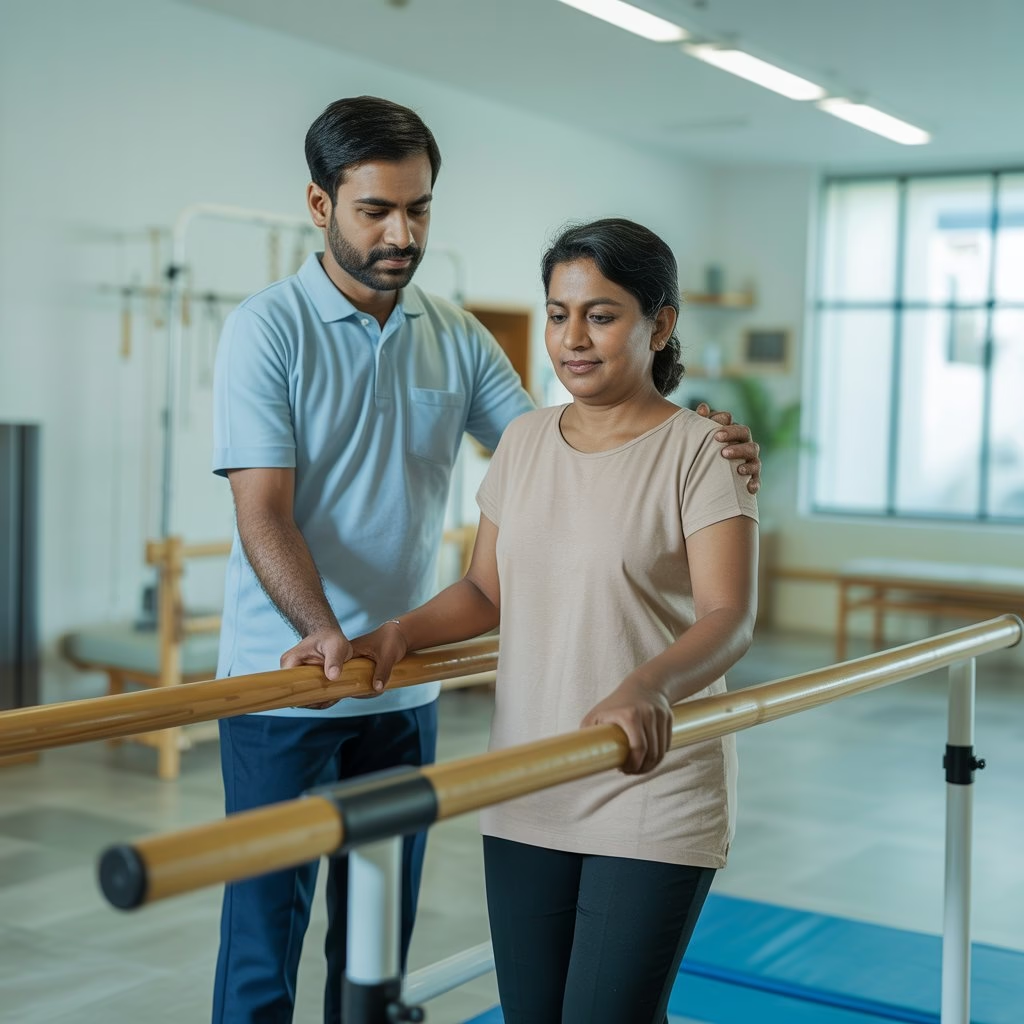
Neuro Rehabilitation in Banjara Hills – Focused Care at Care Convoy treats the aftermath of injuries of the nervous system caused by stroke, brain injury, spinal cord injury, or neurological disorders such as Parkinson’s or multiple sclerosis. Neuro rehabilitation deals with restoring movement, speech, balance, and simple tasks through physiotherapy, occupational therapy, speech therapy, and psychological support. Its ultimate goal is the restoration of independence and an enhanced quality of life. Care Convoy provides generous, attentive therapy in the area of neuro rehabilitation. Whether it’s recovery from stroke, accident, or neurological condition, your team would be there to nurture your progress with care that is highly individualized and constant. Working with an experienced set of therapists in a calm, encouraging environment, every session draws toward greater strength, greater movement, and greater confidence in your own life. The belief is that healing takes a little bit of time; patience; and the right people standing beside you. Care Convoy stands as your support system. What is neurological rehabilitation? Neurological rehabilitation is a particular kind of treatment aimed at assisting in the recovery from any lesion or disorder on the nervous system. Its working is on helping a person regain the ability to move, speak, think, or carry out daily activities affected by a stroke, spinal cord injury, traumatic brain injury, Parkinson’s disease, or multiple sclerosis. Why It’s Needed Problems with movement, balance, speech, memory, and daily activities are usually caused by injuries to the brain or spinal cord. Neurological rehab helps people regain those abilities, build some independence, and generally improve their quality of life. Why Is Neurorehabilitation Important? Neurorehabilitation plays a pivotal role in helping people recover and reconstruct their lives after injuries of the brain, nerves, or spinal cord. Here’s why it has to be placed on importance: 1. It Restores Lost Abilities Depending on the nature of the brain or nerve injury, the affected individual may be able to move, speak, or remember. Neurorehabilitation thus steps in, providing gradual training to reacquire lost functions. 2. Improves Daily Life Simple acts like walking, eating, or writing, become agonizing after neurological insufficiency. Rehabilitations’ major focus stands at achieving ease of performing these daily actions. 3. Counters Against Psychopathology Healing is not physical only. In the process of recovery, one may find dealing with sudden changes in body or mind maddening. Rehabilitation addresses the two together with counseling to uplift confidence and alleviate anxiety or depression. 4. Avoids Complications If a patient does not have proper rehabilitation, he or she might begin developing stiffness, pressure sores, and muscle weakness. These complications can be managed or even avoided with regular therapy. 5. Boosts Independence One of the major goals of neurorehabilitation lies in enabling people to live an independent life; whether going back to work, walking without gait aids, or completing tasks at home. 6. Involving Family in Recovery Family members often carry the healing role. Neurorehabilitation involves them in the process so that they learn how to support their loved ones better. 7. Enhancing Long-Term Recovery Healing fast after a stroke, an accident, or illnesses does not really happen. Long-term results can be greatly enhanced- along with the ability to remain active for many years- through the planning of a rehabilitation journey. Physical Therapy for Neurorehabilitation Neurologic physical therapists are the ones who work with you to regain your mobility, balance, coordination, and strength so that you can resume activities that are important to you. The interventions may include: Key Goals of Neurological Rehab: Who Is It For? This type of rehabilitation is ideal for people recovering from: What It Involves Rehabilitation is personalized and often includes a team of specialists: Sessions might involve exercises, hands-on therapy, speech practice, cognitive tasks, and emotional support. Why Choose a Care Convoy? Conclusion Neurorehabilitation is more than just recovery—it’s a second chance. Whether someone is healing from a stroke, a brain injury, or a neurological condition, this process helps them regain strength, function, and confidence in everyday life. It’s a mix of medical support, physical exercises, and emotional care that makes real improvements possible. With the right team and consistent effort, people often surprise themselves with how much progress they can make. It’s not always easy, but step by step, neurorehabilitation helps bring life back to a place of independence and purpose. Book Your Appointment Today Reach out to the care convoy and let us schedule a time that works for you. 📞 Call us: +91-7799555018📧 Email: careconvoy56@gmail.com We’re just a call or a message away. Your health, your time — we’re here when you need us. We also provide Stroke Rehabilitation in Banjara Hills.
Stroke Rehabilitation in Banjara Hills—Helping You Regain Strength and Confidence
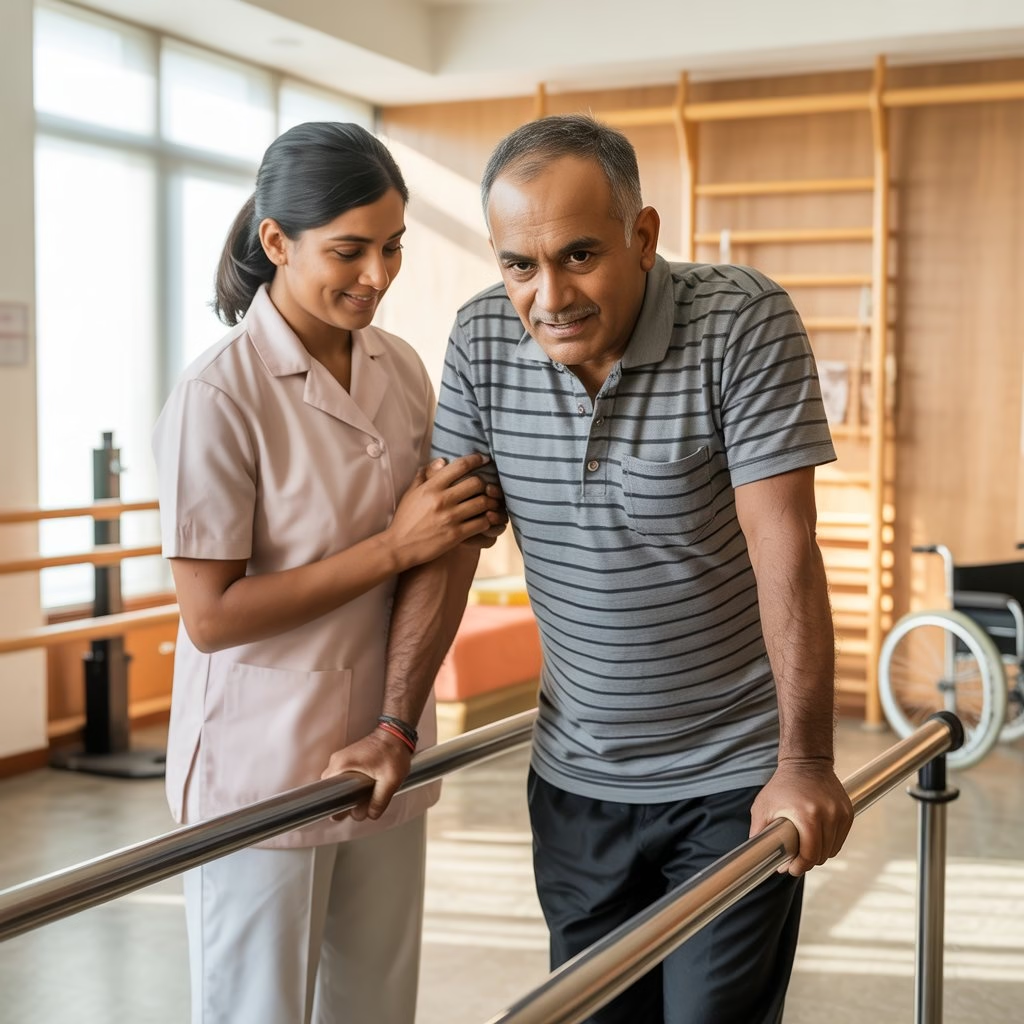
Rehabilitation is the process of aiding the injured or ill to regain physical, mental, and emotional strength. It concerns improving mobility, function, and independence by means of various therapies, such as physiotherapy, occupational therapy, and speech therapy. The restoration of quality of life and provisions for long-term recovery are the main objectives. Stroke Rehabilitation in Banjara Hills recovery is a personal journey, and we at Care Convoy in Banjara Hills recognize this fact. We help provide consistent care, worked professionals, and a calm, encouraging atmosphere to you or your loved ones. Whether it is winning movement back, building confidence, or learning daily skills again, we are there for practical steps that make real progress with time. What is Stroke Rehabilitation Stroke rehabilitation in Banjara Hills is a very important process that attempts to bring back lost abilities and provide a better life to any person after they have had a stroke. It is a multidisciplinary team approach and may include physiotherapists, occupational therapists, speech therapists, and psychologists. Rehabilitation is geared toward restoring motion, speech, and cognition; improving self-care skills; and fostering emotional well-being. Rehabilitation begins when the patient is deemed medically stable and may last several weeks to months, depending on the gravity of the stroke. The patient must show consistency from the outset, as the sooner the treatment starts, the better the prognosis. At Care Convoy, patients with strokes are supported at each step of recovery—be that relearning to walk and improving coordination or receiving assistive therapy in performing basic tasks. We give hope to the patient and their family by lessening the burden of the entire process with persons who really care for them. A stroke can change life in a matter of seconds. Rehabilitation is all about bringing back confidence, in tiny steps. What is rehabilitation? Rehabilitation basically describes the help that is offered to people to reintegrate back into daily life following an illness, an injury, or surgery. At Care Convoy, we care for and support recovery all the way through the process of building strength, confidence, and independence. We work after or during the recovery from a stroke, accident, or surgery to help a person take charge again and find themselves. Types of Rehabilitation Rehabilitation helps people get back to normal life after injury, illness, or surgery. Different types focus on different needs. Here’s a breakdown: 1. Physical Rehabilitation 2. Occupational Rehabilitation 3. Speech and Language Rehabilitation 4. Neurological Rehabilitation 5. Cardiac Rehabilitation 6. Pulmonary Rehabilitation 7. Drug and Alcohol Rehabilitation 8. Pediatric Rehabilitation 9. Geriatric Rehabilitation Stroke Rehabilitation Services We offer a variety of services for people who have had strokes, including: Personal Support Every Step Daily Activities Training Speech and Communication Help Physical Therapy Sessions Occupational Therapy Emotional and Mental Support Family Involvement Progress Tracking Goal: A Better Daily Life Conclusion: Stroke Rehabilitation at Care convoy At Care Convoy, we believe stroke rehabilitation is more than medicine—it is, more than anything, the step-by-step acquisition of independence and confidence by the victims. Recovery will always be an individual experience, where steady progress is dependent upon the patient’s build, well-being, and emotional support. Add patience and encouragement, and life presents tremendous possibilities after a stroke. They will become stronger, supported by our team, and able to take charge of their daily life. Your recovery is the main issue, and Care Convoy would love to be a part of it. Book Your Appointment Today Taking care of your health should never be delayed. Whether it’s a regular checkup or something more specific, we’re here to help you feel your best. Reach out to Care Convoy and let us schedule a time that works for you. 📞 Call us: +91-7799555018📧 Email: careconvoy56@gmail.com We’re just a call or a message away. Your health, your time—we’re here when you need us. We also provide specialized Neuro Rehabilitation in Banjara Hills.
