Stable is not the same as recovered.
For millions of patients across India, the gap between hospital discharge and returning to a meaningful life is where recovery either succeeds or quietly unravels. Rehabilitation care in Banjara Hills is filling exactly that gap, for stroke survivors, post-surgical patients, elderly individuals, and people living with neurological conditions.
But many families still don't know which conditions need formal rehabilitation, or why that distinction matters so much. This guide answers that clearly.
Recovery is not a passive process. The body and brain need structured, consistent, medically supervised support to rebuild what illness or injury has disrupted.
According to the World Health Organization, over 2.4 billion people globally live with a condition that benefits from rehabilitation, yet access to quality care remains one of the most underserved areas of healthcare worldwide. (Source: WHO Rehabilitation Fact Sheet)
In India, post-hospital rehabilitation is still widely misunderstood. Many families believe resting alone is enough. It rarely is.
Effective rehabilitation addresses multiple systems at once, physical function, cognitive ability, nutrition, emotional health, and communication. That is why a quality rehabilitation centre in Banjara Hills doesn't offer just physiotherapy. It offers a coordinated clinical team.
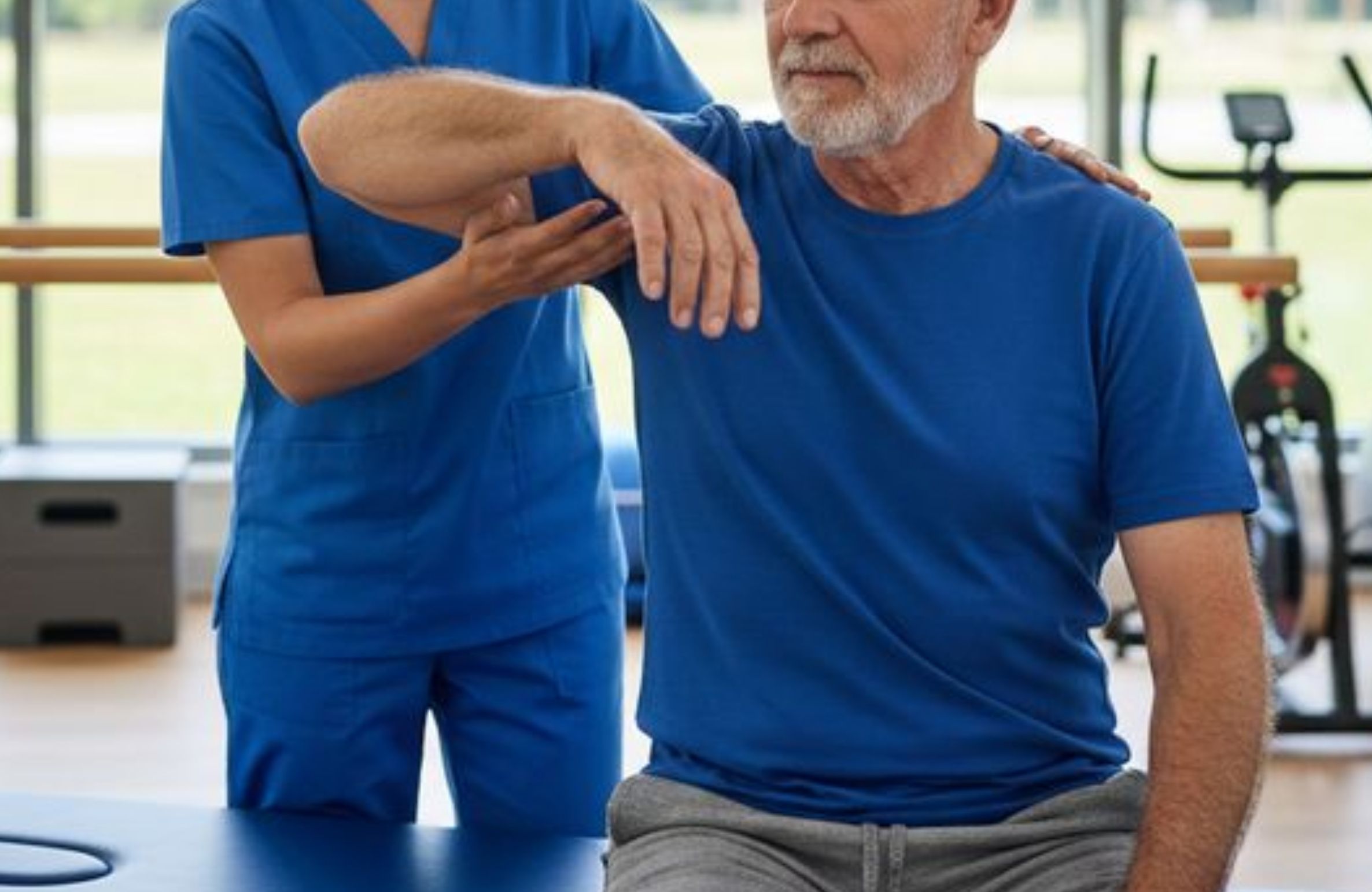
Stroke is one of the leading causes of long-term disability in India. When a stroke occurs, blood flow to part of the brain is interrupted, causing damage that can affect movement, speech, memory, swallowing, and emotional regulation.
Stroke rehabilitation in Banjara Hills typically begins within 24 to 48 hours of the event, even while the patient is still hospitalised. But the real work happens in the weeks and months that follow discharge. Rehabilitation for stroke survivors includes:
The brain's ability to adapt and reorganise called neuroplasticity, is greatest in the first three to six months after a stroke. Missing this window means missing the most powerful period for recovery.
Beyond stroke, several other neurological conditions benefit enormously from structured rehabilitation. These include:
Neuro rehabilitation in Hyderabad has grown significantly as families begin to understand that these conditions are manageable, not just something to endure. A dedicated neuro rehab team can slow progression, rebuild function, and dramatically improve quality of life.
Major surgeries place enormous stress on the body. Whether it is a joint replacement, cardiac surgery, abdominal procedure, or spinal operation, the body needs structured support to heal properly.
Without proper rehabilitation, post-surgical complications, deep vein thrombosis, pneumonia, muscle atrophy are significantly more likely. Rehabilitation after major surgery is not optional. It is a clinical necessity.
Conditions affecting bones, joints, and muscles often require sustained support, particularly when they impact a person's ability to walk, stand, or manage daily activities independently. Common conditions include:
Recovery in these cases requires carefully calibrated progression, ongoing medical assessment, and often occupational therapy to ensure the patient returns to a safe, functional life.
Heart attacks, heart failure, and chronic lung conditions like COPD leave patients significantly weakened, not just in the heart and lungs, but throughout the entire body.
This form of rehabilitation requires 24/7 medical oversight, not just a physiotherapist visiting twice a week. The risks are real, and the supervision must match them.
For older adults, even a relatively minor illness or fall can trigger rapid physical decline. This is a well-documented phenomenon in geriatric medicine called post-hospitalisation syndrome, where the combined effects of bed rest, reduced nutrition, medication changes, and disrupted sleep cause widespread weakening across multiple body systems simultaneously.
Elderly rehabilitation care must account for this with particular sensitivity. Key components include:
The skill in elderly rehabilitation lies in finding the right rhythm, pushing too hard causes harm, moving too slowly leads to dependence. It requires clinical judgement, not just exercise routines.
Patients recovering from surgery, chemotherapy, or radiation frequently experience fatigue, weakness, neuropathy, pain, and significant emotional distress. Cancer rehabilitation remains one of the most underutilised forms of care in India.
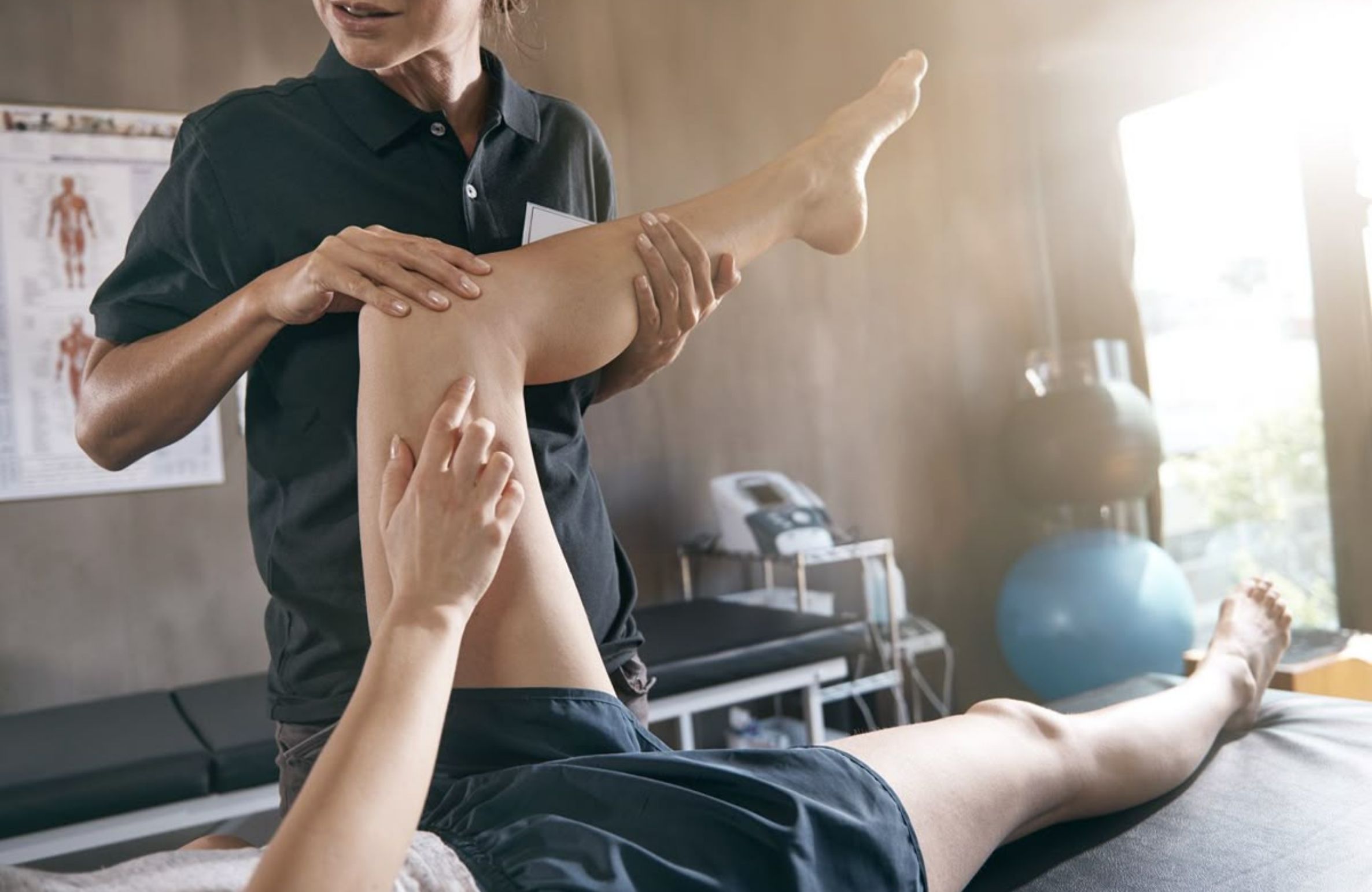
Not all rehabilitation delivers the same results. The difference between a centre that genuinely helps and one that simply provides basic services comes down to four factors:
Multidisciplinary care: Recovery involves multiple systems simultaneously. A team that includes physiotherapists, nurses, nutritionists, occupational therapists, speech therapists, and mental health professionals achieves far better outcomes than physiotherapy alone.
24/7 medical supervision: Many rehabilitation patients are medically complex. Round-the-clock nursing and physician oversight is not a luxury, it ensures complications are caught early and patients remain safe throughout recovery.
Personalised treatment plans: No two patients recover the same way. Effective rehabilitation is designed around the individual, not a standard protocol applied to everyone.
A supportive environment: Recovery is deeply emotional. Patients who feel safe, seen, and genuinely cared for recover faster than those who feel isolated or anxious. The environment is medicine.
The period immediately after hospital discharge is called the transitional care phase and it is one of the highest-risk periods in any patient's recovery journey.
A transitional care centre in Hyderabad bridges the gap between the acute medical care of a hospital and the independence of home. Studies consistently show that patients who receive structured transitional care are significantly less likely to be readmitted to hospital and significantly more likely to return home with meaningful independence.
During this phase, patients need more support than a home visit can offer, but less than full hospitalisation. Getting this phase right changes long-term outcomes.
Ideally within 24 to 48 hours of the event, even while still in hospital. Early rehabilitation takes advantage of the brain's greatest period of neuroplasticity.
No. Rehabilitation is appropriate for patients of any age recovering from stroke, surgery, brain injury, neurological conditions, or serious illness.
Physiotherapy addresses physical movement and strength. Full rehabilitation is a coordinated programme that also addresses cognition, nutrition, speech, emotional wellbeing, and daily independence.
It depends on the condition, severity, and the patient's individual response. Some patients see significant improvement within weeks; others require several months of structured care.
If someone you love is recovering from a stroke, surgery, a neurological condition, or serious illness, what they need most is structured, compassionate, expert support.
Rest alone rarely produces the outcomes that properly supervised rehabilitation achieves. If you would like to understand what comprehensive rehabilitation care in Banjara Hills looks like and whether it is right for your family, the team at Care Convoy is available to help you think it through.
Speak With Our Care Team Today
