Rehabilitation for mobility and independence is the structured clinical process through which function is rebuilt, confidence is restored, and patients return to living meaningfully, not just existing safely.
This guide explains how rehabilitation therapy works, what a comprehensive rehabilitation program includes, and why the right approach at the right time produces outcomes that rest and time alone cannot.
The body deteriorates faster under illness and bed rest than most families realise. Even a short hospital stay can cause measurable muscle loss, reduced joint flexibility, and impaired balance and coordination. For elderly patients, this decline can be steep and fast.
This is not simply about physical weakness. Immobility during illness affects the cardiovascular system, respiratory function, cognitive clarity, and emotional wellbeing simultaneously. A patient who appeared physically stable at discharge may find that walking, managing stairs, or carrying out basic daily living activities is significantly harder than expected.
Rehabilitation services address each of these effects in a structured, progressive way. The goal is not to push patients to move more. It is to identify precisely what has been affected and apply the specific interventions that restore function most effectively.
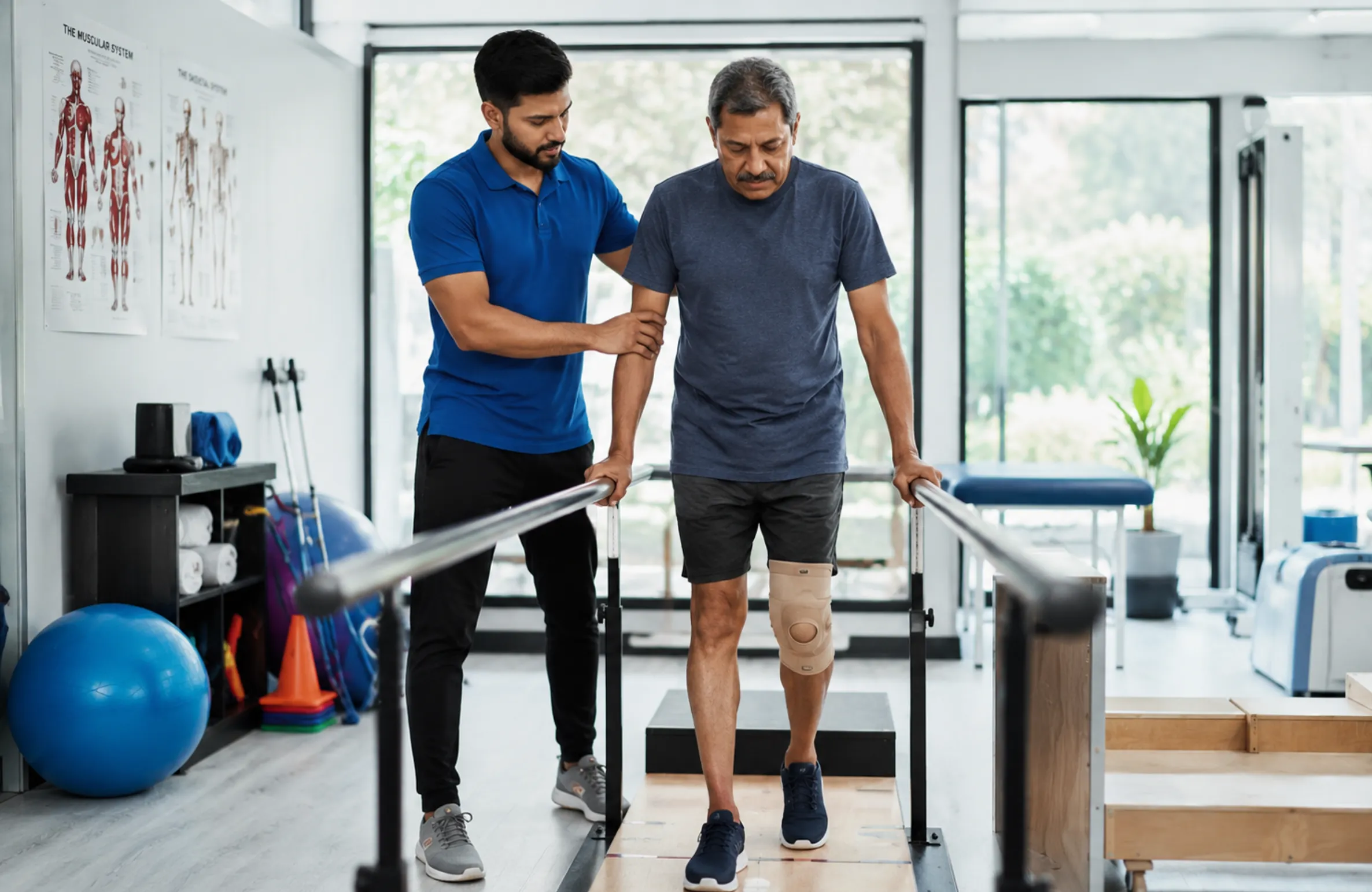
Regaining mobility after illness or surgery is not a single intervention. It is a layered, personalised process that unfolds differently for every patient.
Physical rehabilitation begins with a thorough assessment of the patient's current capacity and builds a personalised rehabilitation plan around the specific gaps identified. A well-structured mobility rehabilitation programme typically includes:
The difference between a generic physiotherapy programme and a truly personalised rehabilitation plan is significant. Generic protocols target movement in general. A patient-centered rehabilitation program targets the exact deficits in that specific patient, which produces faster, more meaningful progress toward physical independence.
Mobility is one dimension of independence. Daily living activities are another, and they are often the most personally significant to the patient and their family.
Functional rehabilitation and occupational therapy focus on the practical tasks that define independent life: bathing, dressing, preparing meals, managing a household, returning to work or activity. For many patients, the ability to dress without assistance or cook a simple meal represents as much of a milestone as walking further.
Occupational therapists assess both the patient's current abilities and their home environment, identifying strategies and adaptations that close the gap between present function and the independence the patient is working toward. This component of recovery rehabilitation is especially important for elderly patients and those with neurological conditions where the functional impact of illness is broad.
Recovery through physiotherapy and rehabilitation is most effective when physical therapy and occupational therapy work together from the beginning, with shared goals and consistent communication between the clinical team.
Rehabilitation therapy that addresses only physical movement misses a significant part of what recovery requires.
Systematic reviews and clinical research confirm that organised, multidisciplinary rehabilitation services lead to meaningfully better outcomes than single-discipline care alone. Research summarised by the National Institutes of Health shows that team-based rehabilitation produces higher rates of mobility improvement, greater restoration of independence in daily activities, and lower rates of long-term institutionalisation, particularly for stroke survivors and elderly patients. (Source: PMC, National Institutes of Health)
This is because recovery is not a single-system process. A patient recovering from stroke may require physiotherapy rehabilitation for movement, speech therapy for communication and swallowing, nutritional rebuilding to restore muscle strength, and psychological support for the depression and anxiety that are common after serious illness. Addressing all of these simultaneously, through a coordinated team of rehabilitation specialists, produces outcomes that sequential or isolated care cannot match.
Rehabilitation Services for Stroke Recovery: These are among the most time-sensitive in all of healthcare. The brain's neuroplasticity, its capacity to reorganise and rebuild connections after injury, is greatest in the first three to six months following a stroke. Intensive, structured rehabilitation therapy during this window, beginning within 24 to 48 hours of the event, is associated with significantly better outcomes in motor function, speech, and daily independence. Delaying rehabilitation after stroke consistently reduces the ceiling of what recovery can achieve.
Physical Rehabilitation for Elderly Patients: This requires a distinct clinical approach. The physical decline that follows even brief hospitalisation in older adults is well-documented, affecting muscle mass, balance and coordination, cognition, and emotional wellbeing simultaneously. A best rehabilitation program for elderly patients balances the need to rebuild mobility and strength with careful attention to multiple conditions happening at once. Fall prevention, gait training, and rebuilding confidence in movement are central priorities.
Rehabilitation After Orthopedic Surgery: Whether a hip replacement, knee replacement, fracture repair, or spinal procedure, this requires structured, progressive physical therapy to restore joint flexibility, muscle strength, and safe walking ability. Patients who begin physiotherapy rehabilitation promptly after orthopedic surgery and maintain consistency throughout their programme consistently achieve better mobility outcomes and regain independence sooner than those who rely on rest.
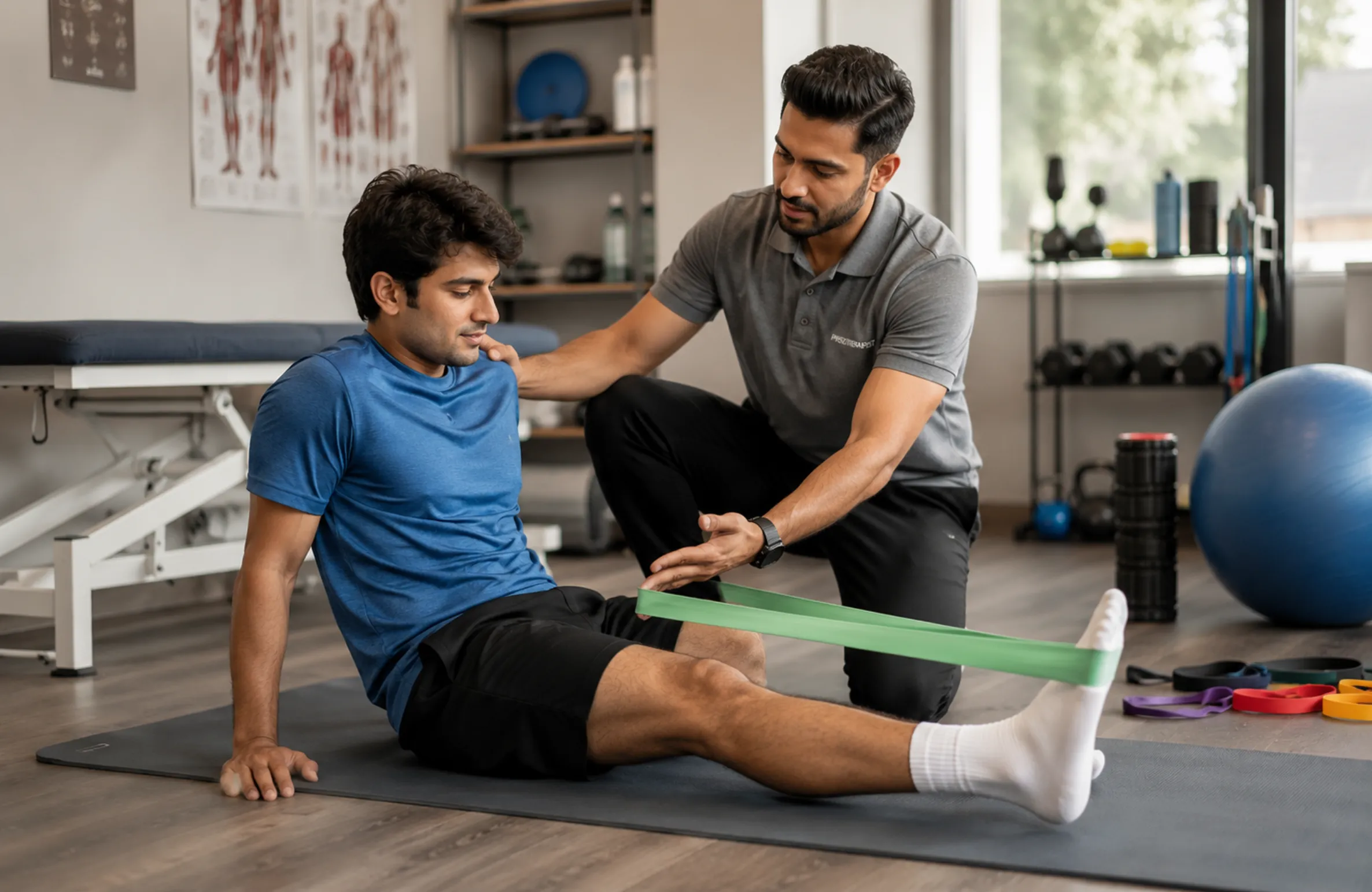
The best rehabilitation program for mobility improvement is not defined by its equipment or its location alone. It is defined by four things:
Physical rehabilitation that is generic, infrequent, or narrowly focused consistently underdelivers against what structured, coordinated care can achieve.
One of the most important distinctions in rehabilitation for mobility and independence is the difference between short-term progress and long-term recovery.
A patient may regain the ability to walk short distances within weeks of structured rehabilitation therapy. That matters. But long-term independence requires more: the stamina to sustain activity across a full day, the strength to manage stairs safely, the cognitive clarity to manage daily routines, and the confidence to move without constant assistance.
Effective recovery rehabilitation keeps this long-term picture in view from the beginning. Discharge planning starts early, with the patient's home environment, support network, and ongoing care needs factored into every stage of the rehabilitation program. The goal is never simply to reduce dependency within the centre. The goal is a sustainable return to independent, meaningful life.
Rehabilitation therapy uses gait training, balance exercises, muscle strengthening, joint flexibility work, and functional rehabilitation to systematically restore the physical function lost after illness, surgery, or injury.
This varies by condition and severity. Some patients see meaningful improvement within a few weeks. Stroke and major surgery cases typically require several months of consistent rehabilitation services.
Physiotherapy rehabilitation restores physical movement and mobility. Occupational therapy restores the ability to perform daily living activities such as dressing, cooking, and managing the home independently.
No. Rehabilitation for mobility and independence covers all functional levels, from patients who cannot transfer from bed to those who walk but struggle with endurance, stairs, or daily activities.
A multidisciplinary team addresses movement, daily function, nutrition, communication, and psychological wellbeing together. The evidence consistently shows that team-based rehabilitation produces better long-term mobility and independence outcomes than single-discipline care.
Nutritional rehabilitation supports muscle rebuilding and tissue repair, both of which are essential for physical rehabilitation to produce results. Patients who are nutritionally depleted often struggle to make physical progress regardless of therapy frequency.
If you would like to understand what rehabilitation for mobility and independence looks like in practice, and whether structured rehabilitation support is right for your family member, the team at Care Convoy is available to help you think it through.
Speak With Our Care Team Today
