
What are the three main types of rehabilitation?
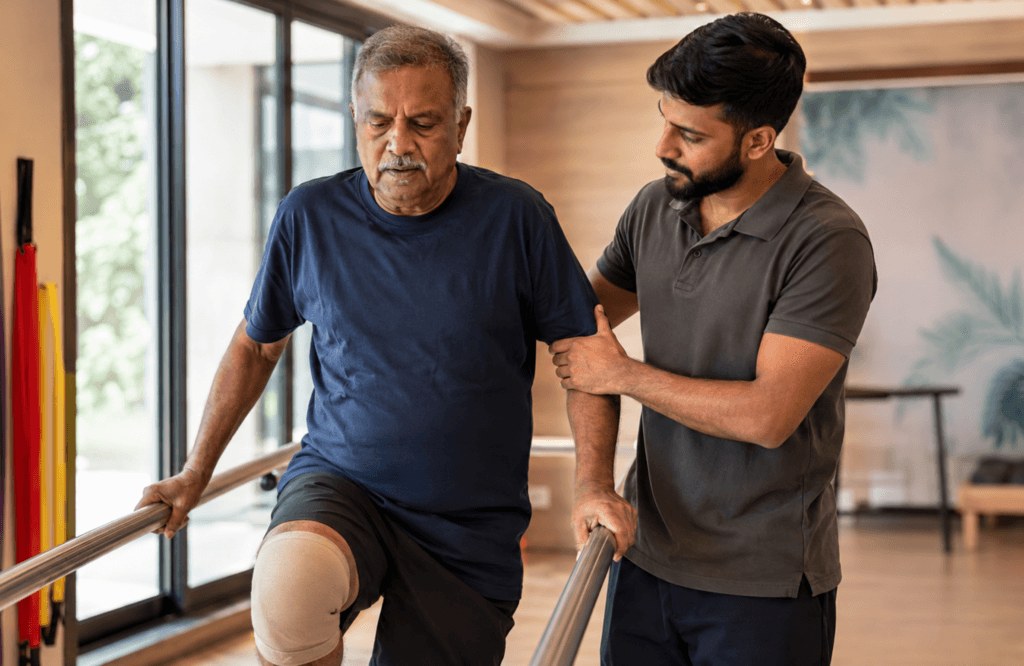
Home ❯ Blog ❯ Types of Rehabilitation What Are the Three Main Types of Rehabilitation? A Guide Every Family Should Read The three main types of rehabilitation therapy are physical, occupational, and speech rehabilitation. Each one addresses a different dimension of recovery to form a complete programme. When Suresh’s mother was discharged from the hospital after her stroke, the discharge summary listed three referrals: physiotherapy, occupational therapy, and speech therapy. He understood physiotherapy, broadly. The other two were unfamiliar. The hospital had handed them a stack of papers, wished them well, and sent them home. In the weeks that followed, Suresh’s mother received some physiotherapy. The speech therapy never happened, he wasn’t sure who to call. The occupational therapy referral sat in the folder, untouched. She could walk a little, but she couldn’t button her blouse. She could speak, but swallowing had become difficult. Small things that weren’t visible on any scan had quietly changed her daily life. This happens more than it should. Not because families don’t care, but because no one has explained what each type of rehabilitation actually does and why missing one of them means the patient’s recovery is incomplete. This guide changes that. The Three Main Types of Rehabilitation The three main types of rehabilitation therapy are physical rehabilitation, occupational rehabilitation, and speech rehabilitation. Each one addresses a different dimension of what illness, injury, or surgery takes from a patient. Together, they form a complete recovery programme. Physical Rehabilitation: Rebuilding the Body’s Ability to Move Physical rehabilitation also called physiotherapy is the most widely recognised of the three types. It focuses on restoring movement, strength, balance, and the body’s ability to function physically. After a stroke, a hip replacement, a spinal surgery, or a prolonged hospitalisation, the body loses ground fast. Muscles weaken. Joints stiffen. Balance becomes unreliable. The nervous system’s connection to the limbs may need to be retrained. Physical rehabilitation addresses all of this through targeted exercises, manual therapy, gait training, strengthening programmes, and carefully structured movement. The goal is not just to reduce pain though it does that too. The goal is to restore the patient’s physical ability to do what their daily life requires. What physical rehabilitation treats: Recovery after stroke, including weakness on one side of the body Post-operative rehabilitation after hip, knee, or spinal surgery Neurological conditions including Parkinson’s disease, multiple sclerosis, and spinal cord injury Sports injuries and musculoskeletal problems Mobility decline in elderly patients after illness or hospitalisation Chronic pain conditions What a session looks like: A physiotherapist begins with an assessment of the patient’s current strength, range of motion, balance, and functional capacity. From there, sessions are built around a personalised rehabilitation plan, progressing week by week as the patient’s body responds. No two patients with the same diagnosis follow the same plan, because no two patients start from the same place. For post-stroke patients, physical rehabilitation is particularly time-sensitive. The brain’s neuroplasticity, its ability to rebuild the connections that the stroke damaged is highest in the first three to six months after the event. Intensive, structured physiotherapy in this window consistently produces better outcomes than delayed or infrequent care. Occupational Rehabilitation: Rebuilding the Ability to Live Independently Occupational rehabilitation is the type that most families don’t fully understand until they see what happens without it. It does not train the patient for a job, despite what the name might suggest. Occupational therapy addresses the patient’s ability to perform the activities of daily living, the specific, practical things that make up an ordinary day. Dressing. Bathing. Preparing a meal. Managing medication. Writing. Using a phone. Climbing into a car. These are things most healthy people do without thinking. After a stroke, a traumatic brain injury, or a serious illness, they can become genuinely difficult or impossible even when the patient can walk. Physical rehabilitation restores movement. Occupational rehabilitation restores the ability to use that movement to live. What occupational rehabilitation addresses: Fine motor coordination, the ability to grip, pinch, button, write Upper limb function after stroke or injury Cognitive function, memory, planning, attention, and problem-solving Independence in daily self-care tasks Safety in the home environment Wheelchair positioning and adaptive equipment if required Return to work or meaningful activity A real example: Consider a 65-year-old man recovering from stroke. His physiotherapist has helped him walk the length of the corridor without a walker. But at home, he cannot make his morning tea, the sequence of steps is gone. He cannot zip his jacket. He drops things. He won’t tell his family he’s afraid to shower alone. This is where occupational rehabilitation begins. The occupational therapist assesses what specific functions have been disrupted, physical, cognitive, and sensory and works with the patient to rebuild them, one task at a time, in a realistic, functional setting. By the time this patient is discharged, he is not just walking. He is living. Speech Rehabilitation: Rebuilding Communication and Safe Swallowing Speech rehabilitation, more fully called speech-language therapy, is the third type, and the one most commonly overlooked by families navigating a post-hospital discharge. The name leads families to assume it is for people who cannot speak. In reality, speech rehabilitation covers a much wider range of functions including some that are medically urgent. Swallowing is one of them. After a stroke or certain neurological events, the muscles that control swallowing can be affected. This is called dysphagia, and it is more dangerous than it sounds. A patient who aspirates food or liquid who silently inhales particles into the lungs instead of swallowing them safely, is at high risk of aspiration pneumonia, a serious and potentially life-threatening complication. A speech therapist identifies swallowing problems, assesses their severity, and works with the patient on exercises and safe feeding strategies. Beyond swallowing, speech rehabilitation addresses: Aphasia, difficulty finding words, understanding language, or forming sentences after stroke or brain injury Dysarthria, slurred or unclear speech due to muscle weakness Voice disorders following surgery, illness, or neurological change Cognitive communication, difficulty with memory, reasoning, and
How much does rehabilitation cost in Hyderabad?
Home ❯ Blog ❯ Rehabilitation Cost How Much Does Rehabilitation Cost in Hyderabad? A Clear, Honest Guide for Families Rehabilitation cost in Hyderabad varies significantly and the variation is rarely random. Once you understand what drives it, the numbers start making sense and the right choice becomes much clearer. Ravi’s father came home from the hospital after a stroke. The neurologist had been clear, structured rehabilitation needed to start within the week. But when Ravi sat down to research rehab centres in Hyderabad, he hit a wall. Some centres quoted him ₹40,000 a month. Others quoted ₹1.5 lakhs. A few didn’t quote anything at all without an in-person visit first. He wasn’t sure what the difference was. He didn’t know what to ask. And he didn’t want to make the wrong decision for his father. If that sounds familiar, this guide is for you. What Does Rehabilitation Actually Cost in Hyderabad? There is no single fixed price for rehabilitation in Hyderabad, and any centre that gives you a number before assessing your family member deserves a second look. That said, here is a realistic range based on the type of care involved. Outpatient Physiotherapy Outpatient sessions where the patient travels to the centre, attends a session, and returns home, typically range from ₹500 to ₹2,000 per session in Hyderabad, depending on the clinic, the therapist’s experience, and the type of treatment involved. For basic musculoskeletal conditions, a short course of outpatient sessions may be all that’s needed. Inpatient Rehabilitation Inpatient rehabilitation where the patient stays at the centre and receives structured daily care, is a different category entirely. This is what most families with a post-stroke, post-surgery, or neurological patient are actually considering. In Hyderabad, inpatient rehabilitation cost typically ranges from ₹60,000 to ₹1.5 lakhs per month at well-equipped, medically supervised centres. This range covers accommodation, nursing care, daily therapy sessions, meals, and medical oversight. What sits above that range, centres charging ₹2 lakhs or more, usually involves more advanced technology, private single rooms, one-to-one therapy ratios, and specialist physician supervision throughout the day. What sits below it, under ₹40,000 a month for inpatient care, usually involves a significant reduction in one or more of those areas, and is worth examining carefully before choosing. What Determines Rehabilitation Treatment Cost in Hyderabad? Understanding what you’re actually paying for is the most important step in evaluating rehab centre fees in Hyderabad. Here are the factors that drive the difference. 1. Medical supervision and nursing This is the single biggest cost driver and the single most important quality indicator. A rehabilitation centre with a full-time medical officer, 24-hour nursing staff, and a qualified team monitoring the patient around the clock has a fundamentally different cost base from a centre where a doctor visits once a day and attendants manage the rest. For patients with complex conditions, post-stroke, post-ICU, neurological, or elderly patients with multiple conditions, 24-hour medical supervision is not a luxury. It is what separates safe rehabilitation from dangerous guesswork. 2. Number and type of therapy disciplines A centre offering only physiotherapy charges less than a centre offering physiotherapy, occupational therapy, speech therapy, nutrition counselling, and psychological support together. The difference in cost reflects a difference in what the patient actually receives. Recovery after a stroke, for example, involves all of those systems. Physiotherapy alone addresses only one of them. 3. Session frequency and duration One physiotherapy session every other day is not the same as two structured sessions daily with a personalised plan. Rehabilitation therapy cost in Hyderabad rises with the density and quality of what’s being delivered and the outcomes rise with it too. 4. Room type and accommodation General ward, twin sharing, and private single rooms are priced differently. For patients staying 30 to 90 days or longer, the room environment matters, both for rest and for the patient’s mental wellbeing during recovery. 5. Condition complexity and duration of stay A patient recovering from a minor orthopaedic procedure may need 3 to 4 weeks of inpatient rehabilitation. A stroke patient in the critical first 90 days, or a patient with a neurological condition requiring long-term care, may need 3 to 6 months of structured support. The total rehabilitation treatment cost in Hyderabad is therefore a function of both the monthly rate and the duration of care needed. What Should Be Included in the Price and What Shouldn’t Be Hidden This is where many families get caught off guard. A headline number of ₹70,000 per month can end up as ₹1.2 lakhs once everything else is added, if the initial quote was carefully constructed to exclude those extras. Before choosing a rehabilitation centre, ask specifically what is included in the quoted fee. A transparent, honest quote for inpatient rehabilitation should cover: Daily accommodation and meals Nursing care and vitals monitoring Physiotherapy sessions (and how many per day) Other therapy services included, if any Medical officer oversight Basic medications and wound care management Emergency response capability What may legitimately be excluded Items billed separately usually include specialist consultations outside the scope of the rehabilitation programme, investigations such as blood tests or scans, and advanced medications prescribed by external specialists. These exclusions are reasonable. What is not reasonable is discovering after admission that therapy sessions, doctor consultations, and nursing care are all being billed on top of a quoted accommodation fee. Ask for the quote in writing. Ask what is included. Ask what is not. The Question Families Ask Most: Is It Worth the Cost? Meera had the same question when her mother was referred to a rehabilitation centre after a fall and hip surgery. The cost felt significant. She wondered whether her mother couldn’t just recover at home with a visiting physiotherapist once a week. Six months later, she had a clear answer. Her mother was walking independently. She was managing her morning routine without assistance. She had not had a secondary fall. The occupational therapist had worked specifically on confidence in movement, not just physical strength. The nutritionist had
What Is the Difference Between Physiotherapy and Rehabilitation?
Home ❯ Blog ❯ Physiotherapy & Rehabilitation What is the Difference Between Physiotherapy and Rehabilitation? If you have been searching for recovery options after surgery, a stroke, or a serious illness, you have probably come across two terms used as if they mean the same thing, physiotherapy and rehabilitation. Most hospitals use them interchangeably. Most families assume they are. They are not. Understanding physiotherapy vs rehabilitation is one of the most important things a family can do before making a care decision. Choosing one when the patient needs the other does not just slow recovery, it can leave significant function permanently unrestored. This guide explains what each term means clinically, where they overlap, where they differ, and how to know which one your loved one actually needs. Physiotherapy vs Rehabilitation: The Core Distinction The clearest way to understand this is: Physiotherapy is a treatment. Rehabilitation is a process. Physiotherapy addresses one question: what does this patient’s body need to move better? Rehabilitation addresses a larger one: what does this patient need, physically, functionally, nutritionally, emotionally, to live independently again? Physiotherapy is one discipline. Rehabilitation is a coordinated programme of multiple disciplines working together toward the same patient goal. This distinction matters enormously in practice. What Is Physiotherapy and What Does Physiotherapy Treatment Involve? Physiotherapy is a clinical discipline focused on restoring physical movement, strength, and function. A physiotherapist assesses how a patient is currently moving, identifies what is restricted or weakened, and builds a structured plan to address those specific deficits progressively. Physiotherapy treatment typically includes: Gait training to rebuild safe walking patterns after surgery or illness Muscle strengthening exercises matched to the patient’s current capacity Joint mobility and flexibility work to restore range of motion after immobility or surgery Balance and coordination training, particularly important for elderly patients and those recovering from neurological conditions Manual therapy for pain management and soft tissue restriction Respiratory physiotherapy for patients recovering from chest conditions or prolonged ICU stays Rehabilitation exercises designed around the patient’s specific condition and recovery goals A physiotherapist in Hyderabad or anywhere else is trained specifically in physical function. They are not trained to assess whether a patient can safely prepare a meal, whether nutritional depletion is undermining muscle rebuilding, or whether depression is reducing therapy engagement. For conditions where only physical movement is affected, physiotherapy treatment is appropriate and effective. For conditions where illness or surgery has disrupted multiple systems simultaneously, it is not enough on its own. What Is Rehabilitation Therapy and What Does It Include? Rehabilitation therapy is the broader clinical process through which a patient regains function, independence, and quality of life after illness, injury, surgery, or a neurological event. Physical rehabilitation is central to this process, but rehabilitation is not defined by physiotherapy alone. A complete rehabilitation programme coordinates: Physiotherapy and physical rehabilitation for movement, strength, and mobility Occupational therapy to help patients relearn daily living activities like bathing, dressing, cooking, managing a home Speech and language therapy for patients with communication or swallowing difficulties after stroke or brain injury Nutritional rehabilitation to rebuild muscle, support tissue repair, and sustain the energy needed for physical recovery Psychological support for the anxiety, depression, and loss of confidence that are documented consequences of serious illness 24-hour nursing care for patients with ongoing medical complexity requiring clinical monitoring between sessions The World Health Organisation estimates that 2.4 billion people globally live with a condition that would benefit from rehabilitation. It remains one of the most underserved areas of healthcare, partly because the term is so widely misused to describe what is, in practice, only physiotherapy. Research published in the National Institutes of Health confirms consistently that organised, multidisciplinary rehabilitation programmes produce meaningfully better outcomes in mobility, daily independence, and reduction of long-term institutionalisation compared to single-discipline care. Difference Between Physiotherapy and Rehabilitation: A Practical Example Consider a patient who has had a knee replacement. They need physiotherapy to restore joint movement, build muscle strength, and relearn safe walking patterns. But that same patient may also have lost significant muscle mass before and during surgery due to prolonged immobility. Their nutritional status may be poor, limiting the body’s ability to respond to physical therapy. They may be afraid to put weight through the joint, a psychological barrier that physiotherapy alone does not address. They may struggle with stairs at home because no one has assessed their home environment and planned accordingly. When only the physiotherapy component is addressed, the patient often plateaus earlier, progresses more slowly, and returns to a lower level of independence than their condition warrants. This is why physiotherapy and rehabilitation, understood as separate and complementary, produce better outcomes together than either does alone. When Is Seeing a Physiotherapist in Hyderabad the Right Answer? Physiotherapy on its own is appropriate when the patient’s primary need is physical and the condition has not significantly disrupted daily independence or multiple body systems. A physiotherapist Hyderabad can deliver effective, focused care for: Sports injuries and post-injury rehabilitation Chronic pain management through manual therapy and exercise Minor orthopedic procedures where overall function is largely preserved Maintenance of mobility and strength in patients managing long-term musculoskeletal conditions For these cases, outpatient physiotherapy is sufficient and often the clinically correct choice. When Is a Rehabilitation Centre in Hyderabad the Right Choice? Full rehabilitation therapy at a rehabilitation centre in Hyderabad becomes necessary when: The patient has been hospitalised for a significant condition like stroke, cardiac event, major surgery, serious illness, or neurological injury Illness or surgery has affected not just movement but also daily functioning, communication, cognition, or emotional wellbeing The patient is elderly and has experienced rapid physical and cognitive decline during hospitalisation Recovery at home has stalled despite time and effort Multiple clinical needs exist simultaneously that a single discipline cannot address A rehabilitation centre that provides genuine multidisciplinary care, not a physiotherapy clinic with a broader name, coordinates all of these needs around the patient from day one. That coordination is what produces meaningful, sustained independence rather
Physiotherapy and Rehabilitation Support for Faster Recovery
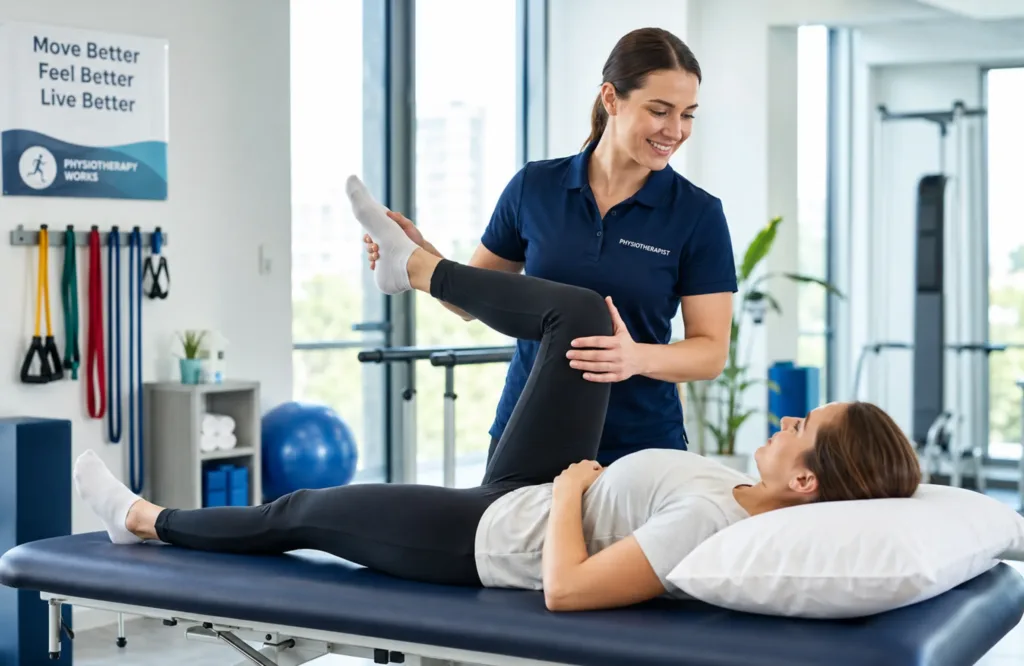
Home ❯ Blog ❯ Physiotherapy & Rehabilitation Physiotherapy and Rehabilitation Support for Faster Recovery Most people believe that hospital discharge marks the end of the difficult part. In reality, the days and weeks after discharge are where recovery either progresses steadily or quietly stalls. And for millions of patients recovering from stroke, surgery, injury, or serious illness, it stalls because the right physiotherapy and rehabilitation support was not in place when it mattered most. This guide explains what physiotherapy and rehabilitation actually involve, how they work together, which conditions require them, and why structured rehabilitation therapy produces outcomes that rest alone simply cannot. Why Rest Alone Is Not Enough There is a widespread assumption that the body will return to where it was, given enough time and rest. For minor conditions, that can hold. For patients recovering from major surgery, stroke, neurological disorders, or significant injury, it rarely does. According to the World Health Organization, around 2.4 billion people are currently living with a health condition that would benefit from rehabilitation, yet access to quality care remains one of the most underserved areas of healthcare globally. (Source: WHO Rehabilitation Fact Sheet) The body deteriorates faster during illness and immobility than most families expect. Muscle loss, joint stiffness, reduced lung function, impaired balance, and slowed cognitive recovery all begin within days of bed rest. Structured physiotherapy and rehabilitation are the clinical response to exactly these effects. What Physiotherapy Treatment Actually Involves Physiotherapy treatment focuses on restoring physical function through guided movement, exercise, and manual therapy. A physiotherapist assesses how a patient is currently moving, identifies what is restricted or weakened, and builds a personalised rehabilitation plan to address it progressively. The core of physiotherapy for recovery includes: Gait training to rebuild safe, confident walking patterns Muscle strengthening exercises graded to the patient’s current capacity Joint mobility and flexibility work to restore range of motion after surgery or prolonged immobility Balance and coordination training to reduce fall risk Manual therapy for pain management and soft tissue mobility Breathing and respiratory physiotherapy after chest or abdominal surgery Rehabilitation exercises designed around each patient’s specific condition and goals The benefits of physiotherapy and rehabilitation are strongest when treatment begins early. Research published in perioperative medicine literature confirms that timely physiotherapy improves surgical recovery, reduces postoperative complications including pulmonary infections and blood clots, and supports faster return to functional independence. (Source: PMC, National Institutes of Health) The Difference Between Physiotherapy and Full Rehabilitation Therapy Physiotherapy is one essential component of rehabilitation. Full rehabilitation therapy is a broader, coordinated clinical programme. While a physiotherapist addresses movement and physical function, a complete rehabilitation support programme also includes: Occupational therapy to help patients relearn independence in daily activities such as dressing, cooking, and personal care Speech therapy for patients experiencing communication or swallowing difficulties, particularly after stroke or brain injury Nutritional rehabilitation to restore strength, support tissue repair, and maintain energy for physical recovery Psychological support to address anxiety, depression, and loss of confidence that frequently follow serious illness 24-hour nursing care for patients with ongoing medical complexity This multidisciplinary approach matters because recovery does not happen in one system at a time. A stroke affects movement, speech, cognition, and emotional regulation simultaneously. Post-surgery rehabilitation requires physical therapy alongside wound management, nutrition, and pain support. Addressing each of these in isolation consistently produces slower, less complete recovery than coordinated, patient-centered care. Research summarised by the National Institutes of Health confirms that organised, multidisciplinary rehabilitation programmes lead to meaningful improvements in mobility, independence in daily activities, and overall participation in life. (Source: PMC, National Institutes of Health) Conditions That Require Physiotherapy and Rehabilitation Support Stroke Recovery Post-Surgery Care Orthopedic Needs Neurological Care Sports Injuries Elderly Patients Stroke Rehabilitation: Stroke rehabilitation is one of the most time-sensitive areas of physical rehabilitation. The brain’s neuroplasticity, its capacity to reorganise and adapt after injury, is greatest in the first three to six months following a stroke. Early physiotherapy within 24 to 48 hours of the event, followed by consistent rehabilitation therapy, is associated with significantly better outcomes in motor function, communication, and daily independence. Rehabilitation support for stroke patients who begin promptly consistently outperforms delayed care. Post-Surgery Rehabilitation: Physiotherapy for faster recovery after surgery is supported by strong clinical evidence. Whether the procedure was orthopaedic, cardiac, abdominal, or spinal, the body needs structured post-operative rehabilitation services to heal well. Integrated physical therapy in the perioperative period reduces complications, shortens hospital length of stay, and improves return to functional independence. Patients who access physiotherapy for recovery early and consistently achieve better outcomes than those who delay. Orthopedic Rehabilitation: Rehabilitation for orthopedic conditions covers a wide range: hip and knee replacements, fractures, rotator cuff repairs, arthritis-related functional decline, and spinal surgery. Each requires carefully graded physiotherapy treatment to restore joint mobility, muscle strength, flexibility, and safe movement patterns. The goal of orthopedic rehabilitation is not only recovery from the procedure, but returning the patient to full functional independence and preventing future injuries. Neurological Rehabilitation: Neurological rehabilitation addresses conditions including Parkinson’s disease, traumatic brain injury, multiple sclerosis, and spinal cord injury. It requires specialist rehabilitation specialists experienced in the specific progression of these conditions. Physical rehabilitation in this context focuses on maximising current function, maintaining mobility improvement for as long as possible, and adapting the rehabilitation program as the condition evolves. Sports Injury Rehabilitation and Post Injury Rehabilitation: Physical therapy for sports injuries and post injury rehabilitation focuses on restoring strength, improving flexibility, correcting movement patterns, and returning the patient to full activity safely. Exercise therapy and manual therapy are both central to sports injury rehabilitation, alongside a personalised rehabilitation plan that accounts for the specific sport, injury type, and recovery goals. Physiotherapy for Elderly Patients: Physiotherapy for elderly patients requires particular sensitivity. Even a brief hospitalisation can trigger rapid physical and cognitive decline in older adults. Mobility rehabilitation for elderly patients must account for multiple conditions happening simultaneously, balance the need to rebuild strength with the need to avoid overloading a system already
How Rehabilitation Helps Patients Regain Mobility and Independence
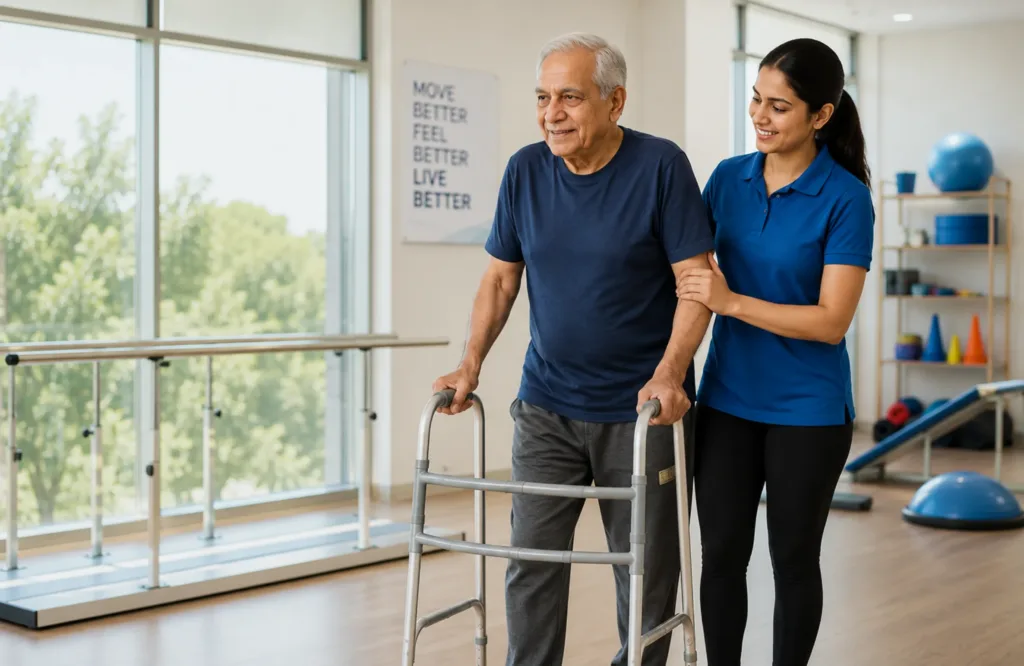
Home ❯ Blog ❯ Rehabilitation How Rehabilitation Helps Patients Regain Mobility and Independence Leaving the hospital does not mean recovery is complete. For most patients recovering from stroke, surgery, injury, or serious illness, it means recovery is just beginning. And without the right support in place, many patients never fully reclaim the mobility and independence they had before. Rehabilitation for mobility and independence is the structured clinical process through which function is rebuilt, confidence is restored, and patients return to living meaningfully, not just existing safely. This guide explains how rehabilitation therapy works, what a comprehensive rehabilitation program includes, and why the right approach at the right time produces outcomes that rest and time alone cannot. Why Mobility Declines After Illness or Surgery The body deteriorates faster under illness and bed rest than most families realise. Even a short hospital stay can cause measurable muscle loss, reduced joint flexibility, and impaired balance and coordination. For elderly patients, this decline can be steep and fast. This is not simply about physical weakness. Immobility during illness affects the cardiovascular system, respiratory function, cognitive clarity, and emotional wellbeing simultaneously. A patient who appeared physically stable at discharge may find that walking, managing stairs, or carrying out basic daily living activities is significantly harder than expected. Rehabilitation services address each of these effects in a structured, progressive way. The goal is not to push patients to move more. It is to identify precisely what has been affected and apply the specific interventions that restore function most effectively. How Rehabilitation for Mobility and Independence Works Regaining mobility after illness or surgery is not a single intervention. It is a layered, personalised process that unfolds differently for every patient. Physical rehabilitation begins with a thorough assessment of the patient’s current capacity and builds a personalised rehabilitation plan around the specific gaps identified. A well-structured mobility rehabilitation programme typically includes: Gait training to relearn safe walking patterns and build walking ability progressively Balance and coordination exercises to reduce fall risk and restore movement confidence Muscle strengthening through graded exercise therapy matched to the patient’s current level Joint flexibility and mobility work to restore range of motion lost during immobility or surgery Manual therapy and pain management where physical restriction is limiting movement Transfer training for safe movement from bed to chair, sitting to standing, and on stairs Functional rehabilitation built around the real tasks the patient needs to return to The difference between a generic physiotherapy programme and a truly personalised rehabilitation plan is significant. Generic protocols target movement in general. A patient-centered rehabilitation program targets the exact deficits in that specific patient, which produces faster, more meaningful progress toward physical independence. How Rehabilitation Restores Daily Independence Mobility is one dimension of independence. Daily living activities are another, and they are often the most personally significant to the patient and their family. Functional rehabilitation and occupational therapy focus on the practical tasks that define independent life: bathing, dressing, preparing meals, managing a household, returning to work or activity. For many patients, the ability to dress without assistance or cook a simple meal represents as much of a milestone as walking further. Occupational therapists assess both the patient’s current abilities and their home environment, identifying strategies and adaptations that close the gap between present function and the independence the patient is working toward. This component of recovery rehabilitation is especially important for elderly patients and those with neurological conditions where the functional impact of illness is broad. Recovery through physiotherapy and rehabilitation is most effective when physical therapy and occupational therapy work together from the beginning, with shared goals and consistent communication between the clinical team. Why a Multidisciplinary Rehabilitation Program Produces Better Outcomes Rehabilitation therapy that addresses only physical movement misses a significant part of what recovery requires. Systematic reviews and clinical research confirm that organised, multidisciplinary rehabilitation services lead to meaningfully better outcomes than single-discipline care alone. Research summarised by the National Institutes of Health shows that team-based rehabilitation produces higher rates of mobility improvement, greater restoration of independence in daily activities, and lower rates of long-term institutionalisation, particularly for stroke survivors and elderly patients. (Source: PMC, National Institutes of Health) This is because recovery is not a single-system process. A patient recovering from stroke may require physiotherapy rehabilitation for movement, speech therapy for communication and swallowing, nutritional rebuilding to restore muscle strength, and psychological support for the depression and anxiety that are common after serious illness. Addressing all of these simultaneously, through a coordinated team of rehabilitation specialists, produces outcomes that sequential or isolated care cannot match. Specialized Rehabilitation Services Stroke Recovery Elderly Patients Orthopedic Surgery Rehabilitation Services for Stroke Recovery: These are among the most time-sensitive in all of healthcare. The brain’s neuroplasticity, its capacity to reorganise and rebuild connections after injury, is greatest in the first three to six months following a stroke. Intensive, structured rehabilitation therapy during this window, beginning within 24 to 48 hours of the event, is associated with significantly better outcomes in motor function, speech, and daily independence. Delaying rehabilitation after stroke consistently reduces the ceiling of what recovery can achieve. Physical Rehabilitation for Elderly Patients: This requires a distinct clinical approach. The physical decline that follows even brief hospitalisation in older adults is well-documented, affecting muscle mass, balance and coordination, cognition, and emotional wellbeing simultaneously. A best rehabilitation program for elderly patients balances the need to rebuild mobility and strength with careful attention to multiple conditions happening at once. Fall prevention, gait training, and rebuilding confidence in movement are central priorities. Rehabilitation After Orthopedic Surgery: Whether a hip replacement, knee replacement, fracture repair, or spinal procedure, this requires structured, progressive physical therapy to restore joint flexibility, muscle strength, and safe walking ability. Patients who begin physiotherapy rehabilitation promptly after orthopedic surgery and maintain consistency throughout their programme consistently achieve better mobility outcomes and regain independence sooner than those who rely on rest. Best Rehabilitation Program for Mobility Improvement: What to Look For The best rehabilitation program for
Stroke Recovery Treatment in Hyderabad: What Every Family Needs to Know
Home ❯ Blog ❯ Stroke Recovery Stroke Recovery Treatment in Hyderabad A stroke changes a person’s life within minutes. One moment they are functional. The next, they may be unable to move one side of their body, speak clearly, swallow safely, or recall familiar names. For families standing in a hospital corridor trying to understand what has just happened, the information available is often incomplete, clinical, and difficult to act on. What most families are not told clearly enough is this: the hospital manages the emergency. Recovery—functional, meaningful, lasting recovery—is a separate process. And how well that process is supported, and how soon it begins, determines how much of a person’s independence returns. This guide explains what
Physiotherapy and Rehabilitation Support for Faster Recovery in Hyderabad
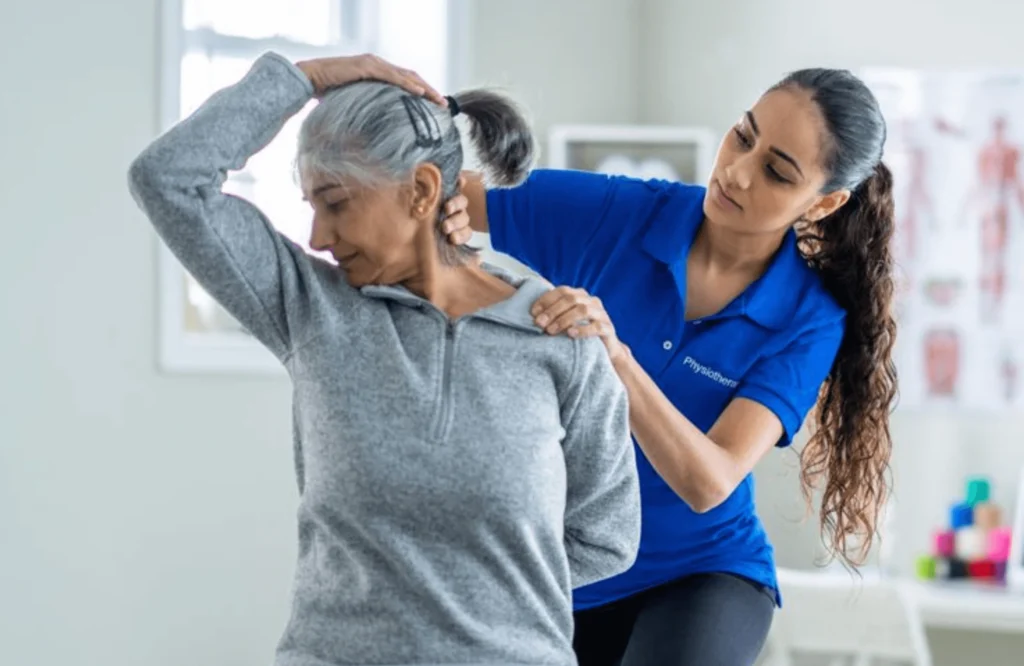
Home ❯ Blog ❯ Rehabilitation Physiotherapy and Rehabilitation Support for Faster Recovery in Hyderabad There is something nobody tells you clearly when a loved one is discharged from the hospital. The word “stable” does not mean recovered. It means the immediate medical crisis has passed. What comes next, the rebuilding, the regaining of strength, the return to normal daily function, that is an entirely different journey. And it is one that most families are left to figure out on their own. This is where physiotherapy and rehabilitation in Hyderabad plays a role that is far more significant than most people realise. Rehabilitation is not a bonus step you add after recovery. It is recovery. Structured, medically supervised, and deeply personal. Without it, many patients plateau, lose ground, or face complications that could have been avoided entirely. Why Recovery Does Not Happen on Its Own The human body is resilient, but it is not self-correcting after serious illness or surgery without the right support. When a patient spends days or weeks in a hospital bed, several things happen simultaneously. Muscles begin to weaken from disuse, and research shows that patients can lose up to 5 percent of their muscle mass per day during prolonged immobility. Joints stiffen. Lung capacity reduces. The nervous system’s ability to coordinate movement becomes sluggish. Appetite drops, which slows tissue repair. And the emotional weight of illness adds its own layer of difficulty on top of everything physical. Rest alone does not undo these effects. In fact, prolonged rest without structured rehabilitation often makes them worse. This is why rehabilitation therapy in Hyderabad has become an essential part of post-hospital care for patients recovering from stroke, surgery, neurological conditions, cardiac events, and critical illness. The longer rehabilitation is delayed, the more ground the patient loses and the longer the road back becomes. What Physiotherapy and Rehabilitation Actually Involves Many families use the words physiotherapy and rehabilitation interchangeably, but they are not the same thing. Physiotherapy is one component within rehabilitation. It focuses specifically on restoring physical movement, strength, and function through targeted exercises, manual therapy, and guided activity. Full rehabilitation is a coordinated programme that addresses everything affecting a patient’s recovery, not just the physical. At a quality rehabilitation centre in Hyderabad, the care team typically includes: Physiotherapists who work on mobility restoration, gait training, muscle strengthening, and balance improvement. Occupational therapists who help patients relearn daily tasks like dressing, bathing, eating, and navigating their home environment safely. Speech and language therapists who address swallowing difficulties and communication challenges, which are common after stroke or neurological events. Dietitians and nutritionists who ensure the body has what it needs for strength rebuilding and tissue repair. Mental health professionals who support patients through the emotional side of recovery, including anxiety, depression, and loss of confidence. Nursing staff who monitor vital signs, manage medications, prevent complications, and ensure patient safety around the clock. This is what multidisciplinary rehabilitation looks like in practice. And research consistently shows it produces significantly better recovery outcomes than physiotherapy alone. When Should Rehabilitation Begin After Hospitalisation? This is one of the most common questions families ask, and the answer matters enormously. The general clinical consensus is that rehabilitation should begin as early as medically appropriate, sometimes even within the hospital itself, before the patient is discharged. For stroke patients, rehabilitation often begins within 24 to 48 hours of the event. For post-surgical patients, it may start within the first day or two after the procedure, depending on the surgery type and the patient’s condition. For post ICU rehabilitation in Hyderabad, timing depends on the patient’s stability, but the principle remains the same: early intervention leads to better outcomes. Delays in starting rehabilitation have real consequences. Muscles that are not used begin to atrophy rapidly, particularly in elderly patients and those who have been critically ill. Joints stiffen. The nervous system loses practice in movement patterns it needs to relearn. Every week of delay makes the recovery journey longer and harder. Families are often told to “wait and see” or to “just rest for a while” before starting any rehabilitation. In many cases, this advice unintentionally allows preventable decline to set in. If your loved one has been discharged from hospital and is still not fully functional in movement, strength, or daily activity, the time to begin structured rehabilitation is now, not later. Conditions That Require Rehabilitation Support Physiotherapy and rehabilitation for faster recovery is relevant across a wide range of medical conditions. Stroke & Neurological Post-Surgical Post ICU Care Cardiac & Pulmonary Stroke and neurological events: are among the most common reasons patients need structured rehabilitation. The damage to movement, speech, and coordination requires expert, consistent intervention to rebuild function that the brain can no longer manage automatically. Post-surgical recovery: including orthopaedic surgeries like hip and knee replacements, spinal procedures, cardiac surgeries, and major abdominal operations, places enormous stress on the body. Without structured rehabilitation after surgery, complications including muscle atrophy, joint stiffness, and reduced lung capacity are significantly more likely. Neurological conditions: such as Parkinson’s disease, Guillain-Barre syndrome, multiple sclerosis, and traumatic brain injury require long-term, carefully supervised rehabilitation programmes that adapt as the patient’s condition evolves over time. Rehabilitation after a prolonged hospital stay or ICU admission: is necessary because the body deconditions across multiple systems simultaneously, not just in the area of the original illness. Physical rehabilitation services must address all of these systems together, not one at a time. Cardiac and pulmonary conditions: leave patients significantly weakened throughout the entire body and require monitored physical rehabilitation under continuous medical supervision. Elderly patients recovering from falls, fractures, or serious illness are among the most vulnerable to rapid functional decline, and they require the most carefully calibrated rehabilitation support. In each of these cases, coordinated rehabilitation delivered within a structured, clinically supervised environment gives patients the best available chance of returning to meaningful independence. What Inpatient Rehabilitation Offers That Home Care Cannot There is a significant difference between inpatient rehabilitation in Hyderabad
How Rehabilitation Helps Patients Regain Mobility and Independence
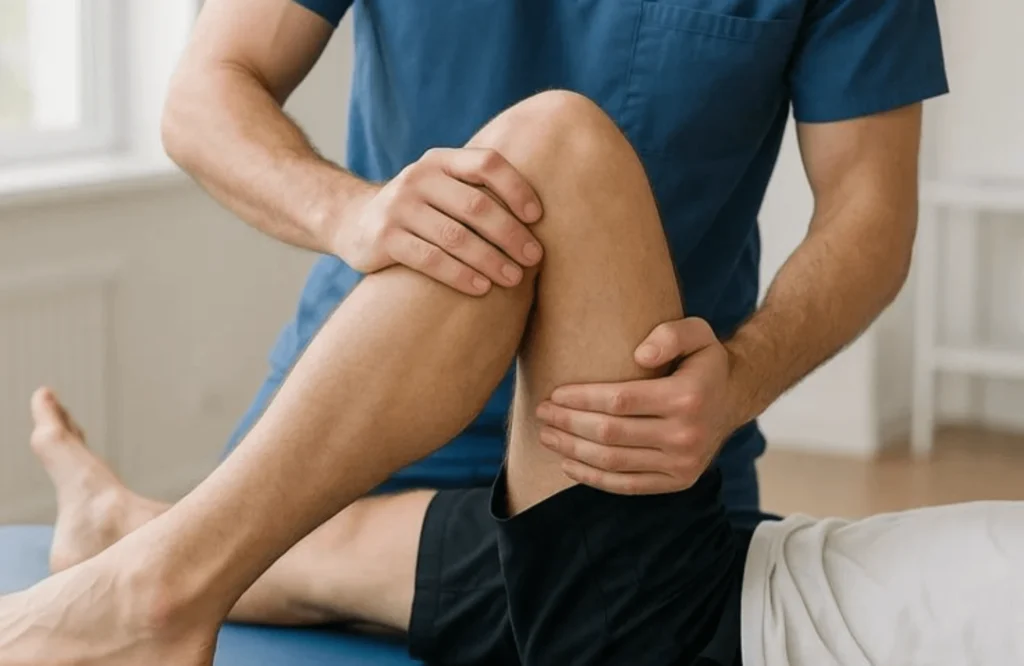
Home ❯ Blog ❯ Mobility Recovery How Rehabilitation Restores Mobility and Independence Overcoming the fear of what comes after a serious illness or surgery. Mobility Recovery: There is a particular fear that runs through many families after a serious illness or surgery. Not the fear of the condition itself, though that is real too. It is the quieter, more persistent fear of what comes after. Will they walk again? Will they be able to live independently? Will they need help with everything, forever? These fears are understandable. And the answer, more often than families realise, lies in structured rehabilitation for mobility recovery. Not in time. Not in willpower. In the right clinical support, delivered consistently, at the right stage of recovery. This guide explains how rehabilitation restores mobility and independence, who benefits most, and what a genuine programme looks like. What Mobility Recovery Actually Means When clinicians talk about mobility recovery, they mean more than the ability to walk. True mobility recovery encompasses: The ability to stand safely from a seated position Walking with stability and without an unacceptable fall risk Climbing stairs, navigating uneven surfaces, and managing everyday environments Transferring safely, from bed to chair, from chair to toilet Carrying out daily activities that require movement: cooking, dressing, bathing The confidence to move because fear of falling is itself a significant mobility barrier Full independence requires all of these. Rehabilitation for mobility is therefore not just about strengthening muscles and improving balance. It is about rebuilding a person’s entire functional capacity and the confidence that accompanies it. Why Mobility Declines After Illness Understanding why mobility declines after hospitalisation helps explain why structured rehabilitation is necessary to restore it. The body is not designed for prolonged inactivity. Bed rest, even for short periods causes measurable muscle loss, reduced cardiovascular fitness, joint stiffness, and neurological changes that impair balance and coordination. For elderly patients, even a week of hospitalisation can cause a degree of physical decline that takes months to recover from without structured support. For patients who have had a stroke, brain injury, or neurological event, the picture is still more complex. The problem is not simply weakness, it is disrupted neural communication between the brain and the body. Restoring mobility in these patients requires not just physical rehabilitation but neurological rehabilitation, exploiting the brain’s capacity for neuroplasticity to rebuild the pathways that control movement. A quality rehabilitation centre in Banjara Hills addresses both dimensions, physical and neurological in a coordinated programme designed around the individual. How Rehabilitation Restores Mobility 1. Physiotherapy for Mobility Improvement Physiotherapy for mobility improvement is the clinical foundation of mobility recovery. A specialist physiotherapist assesses the patient’s current capacity across multiple dimensions like strength, range of motion, balance, gait pattern, fall risk, and functional independence and builds a progressive programme that challenges and expands that capacity over time. The key word is progressive. Rehabilitation for mobility is not about doing the same exercises until discharge. It is about carefully calibrated, stepwise challenges that push the boundary of what the patient can do, safely and consistently until meaningful independence is restored. For neurological patients, this physiotherapy is neurologically specific using techniques like task-specific training, gait retraining, functional electrical stimulation, and constraint-induced movement therapy to rebuild neural pathways alongside physical strength. 2. Occupational Therapy for Independence Mobility rehabilitation in Hyderabad at a comprehensive centre is not physiotherapy alone. Occupational therapy plays an equally critical role in translating physical gains into real functional independence. Occupational therapists work with patients to relearn the daily activities that mobility underpins: dressing independently, preparing food, managing personal hygiene, and navigating the home safely. They also assess and advise on environmental modifications, removing fall hazards, recommending adaptive equipment, and ensuring the home the patient returns to is one they can live in safely. This is the bridge between the rehabilitation centre and independent life at home and it is often the piece that makes the difference between a patient who returns home successfully and one who is readmitted within weeks. 3. Balance and Fall Prevention Falls are one of the most significant threats to ongoing mobility recovery and one of the most preventable. In India, falls are among the leading causes of injury-related hospitalisation in adults over 60. A fall during recovery does not just cause physical injury. It causes fear and fear of falling leads to reduced movement, which leads to further deconditioning, which leads to greater fall risk. It is a cycle that structured rehabilitation specifically aims to break. Balance rehabilitation uses targeted exercises, postural training, vestibular rehabilitation where relevant, and progressive challenges to real-world environments, building both the physical stability and the psychological confidence that safe mobility requires. 4. Assistive Technology and Adaptive Techniques Not every patient will return to the same level of mobility they had before their illness. For some patients, particularly those with significant neurological injuries, the goal of rehabilitation is not to restore pre-illness function exactly, but to achieve the maximum possible independence within realistic parameters. This is where assistive technology and adaptive techniques become important. Walking aids, orthotic devices, wheelchairs configured for independence, and adaptive equipment for daily tasks are not signs of failure. They are tools that extend independence and learning to use them well is itself a rehabilitation goal. Physical therapy and rehabilitation at a quality centre includes assessment for and training in assistive technology as an integral part of the programme, not an afterthought. Conditions Where Mobility Rehabilitation Makes the Greatest Difference Stroke Recovery Elderly Patients Post-Surgery Neurological Stroke Recovery: The Indian Stroke Association estimates that up to 50% of stroke survivors experience significant ongoing disability but studies consistently show that structured rehabilitation dramatically improves functional outcomes, with many patients regaining independent mobility that would not have been achieved through rest alone. Elderly Patients After Falls or Hospitalisation: Older patients have less physiological reserve, recover more slowly, and are at higher risk. Elderly patients who receive structured rehabilitation after falls or hospitalisation have significantly better mobility outcomes than those who do
Common Health Conditions That Require Rehabilitation Care in Banjara Hills
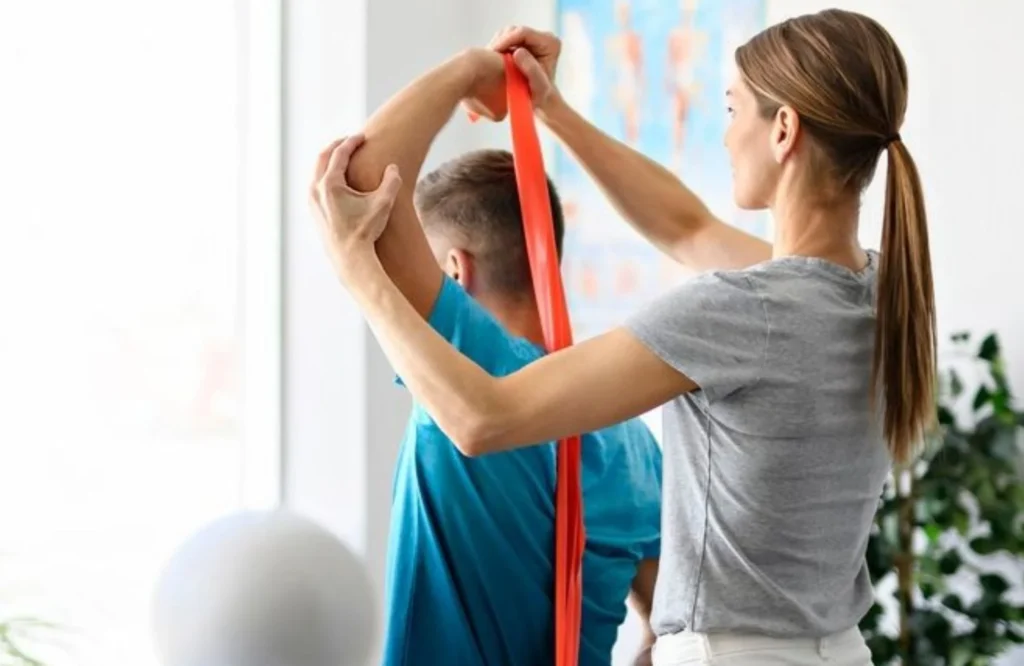
Home ❯ Blog ❯ Rehabilitation Care Common Health Conditions That Require Rehabilitation Care in Banjara Hills Bridging the gap between hospital discharge and returning to a meaningful life. Rehabilitation Care: There is a moment many families recognise immediately. The hospital says your loved one is stable and ready to go home. And then comes the silence, the quiet panic of not knowing what comes next. Stable is not the same as recovered. For millions of patients across India, the gap between hospital discharge and returning to a meaningful life is where recovery either succeeds or quietly unravels. Rehabilitation care in Banjara Hills is filling exactly that gap, for stroke survivors, post-surgical patients, elderly individuals, and people living with neurological conditions. But many families still don’t know which conditions need formal rehabilitation, or why that distinction matters so much. This guide answers that clearly. Why Rehabilitation Care Matters More Than Most People Realise Recovery is not a passive process. The body and brain need structured, consistent, medically supervised support to rebuild what illness or injury has disrupted. According to the World Health Organization, over 2.4 billion people globally live with a condition that benefits from rehabilitation, yet access to quality care remains one of the most underserved areas of healthcare worldwide. (Source: WHO Rehabilitation Fact Sheet) In India, post-hospital rehabilitation is still widely misunderstood. Many families believe resting alone is enough. It rarely is. Effective rehabilitation addresses multiple systems at once, physical function, cognitive ability, nutrition, emotional health, and communication. That is why a quality rehabilitation centre in Banjara Hills doesn’t offer just physiotherapy. It offers a coordinated clinical team. Health Conditions That Commonly Require Rehabilitation Care 1. Stroke Stroke is one of the leading causes of long-term disability in India. When a stroke occurs, blood flow to part of the brain is interrupted, causing damage that can affect movement, speech, memory, swallowing, and emotional regulation. Stroke rehabilitation in Banjara Hills typically begins within 24 to 48 hours of the event, even while the patient is still hospitalised. But the real work happens in the weeks and months that follow discharge. Rehabilitation for stroke survivors includes: Physiotherapy to rebuild muscle strength and relearn movement patterns Speech therapy to address language difficulties and safe swallowing Occupational therapy to regain independence in daily tasks Psychological support for post-stroke depression and anxiety The brain’s ability to adapt and reorganise called neuroplasticity, is greatest in the first three to six months after a stroke. Missing this window means missing the most powerful period for recovery. 2. Neurological Conditions Beyond stroke, several other neurological conditions benefit enormously from structured rehabilitation. These include: Parkinson’s disease — affecting movement, balance, and speech Multiple sclerosis — causing fatigue, weakness, and coordination problems Traumatic brain injury — from accidents, falls, or other trauma Guillain-Barré syndrome — a nerve disorder causing sudden progressive weakness Spinal cord injuries — impacting mobility and bodily functions Neuro rehabilitation in Hyderabad has grown significantly as families begin to understand that these conditions are manageable, not just something to endure. A dedicated neuro rehab team can slow progression, rebuild function, and dramatically improve quality of life. 3. Post-Surgery Recovery Major surgeries place enormous stress on the body. Whether it is a joint replacement, cardiac surgery, abdominal procedure, or spinal operation, the body needs structured support to heal properly. Post-surgery rehabilitation in Hyderabad addresses: Pain management and wound healing oversight Guided movement to prevent stiffness and scar tissue formation Breathing exercises after chest or abdominal surgeries Progressive strengthening to restore functional independence Nutritional support to aid tissue repair Without proper rehabilitation, post-surgical complications, deep vein thrombosis, pneumonia, muscle atrophy are significantly more likely. Rehabilitation after major surgery is not optional. It is a clinical necessity. 4. Orthopedic and Mobility Conditions Conditions affecting bones, joints, and muscles often require sustained support, particularly when they impact a person’s ability to walk, stand, or manage daily activities independently. Common conditions include: Hip & knee replacements Fractures (Elderly) Rotator cuff injuries Spinal disc problems Arthritis decline Recovery in these cases requires carefully calibrated progression, ongoing medical assessment, and often occupational therapy to ensure the patient returns to a safe, functional life. 5. Cardiac and Pulmonary Conditions Heart attacks, heart failure, and chronic lung conditions like COPD leave patients significantly weakened, not just in the heart and lungs, but throughout the entire body. Monitored exercise under continuous medical supervision Breathing techniques and respiratory physiotherapy Medication management and lifestyle education Emotional support for the anxiety that commonly follows cardiac events This form of rehabilitation requires 24/7 medical oversight, not just a physiotherapist visiting twice a week. The risks are real, and the supervision must match them. 6. Elderly Patients After Illness or Falls For older adults, even a relatively minor illness or fall can trigger rapid physical decline. This is a well-documented phenomenon in geriatric medicine called post-hospitalisation syndrome, where the combined effects of bed rest, reduced nutrition, medication changes, and disrupted sleep cause widespread weakening across multiple body systems simultaneously. Elderly rehabilitation care must account for this with particular sensitivity. Key components include: Fall prevention and balance training Gentle, progressive mobility work Nutritional rehabilitation for weight and strength recovery Cognitive engagement to reduce post-hospitalisation confusion Emotional support to address anxiety and loss of confidence The skill in elderly rehabilitation lies in finding the right rhythm, pushing too hard causes harm, moving too slowly leads to dependence. It requires clinical judgement, not just exercise routines. 7. Cancer Recovery Patients recovering from surgery, chemotherapy, or radiation frequently experience fatigue, weakness, neuropathy, pain, and significant emotional distress. Cancer rehabilitation remains one of the most underutilised forms of care in India. Fatigue management strategies Physiotherapy for treatment-related weakness Lymphedema management following breast cancer surgery Nutritional rebuilding to restore strength and immunity Psychological support and structured counselling What Makes Rehabilitation Effective? Not all rehabilitation delivers the same results. The difference between a centre that genuinely helps and one that simply provides basic services comes down to four factors: Multidisciplinary care: Recovery involves multiple systems simultaneously. A
Sports Rehabilitation in Banjara Hills
Home ❯ Blog ❯ Sports Rehabilitation 7 Powerful Steps: Sports Rehabilitation in Banjara Hills for Peak Performance Getting You Back to Peak Performance safely and confidently. Sports rehabilitation in Banjara Hills: Injuries are a part of an active lifestyle – but staying stuck in recovery doesn’t have to be. If you’re searching for
