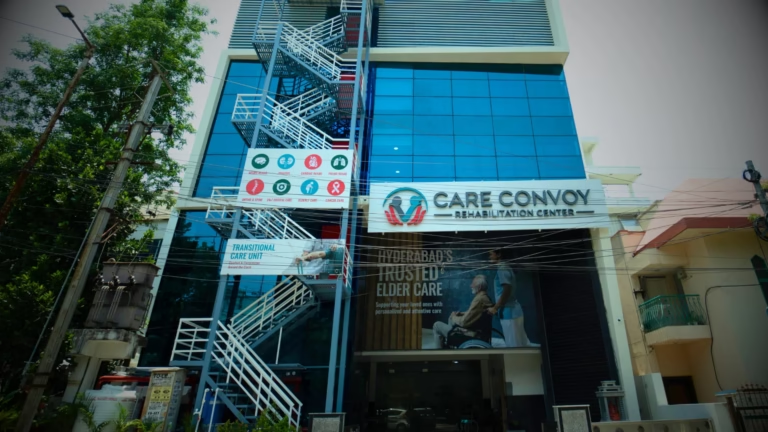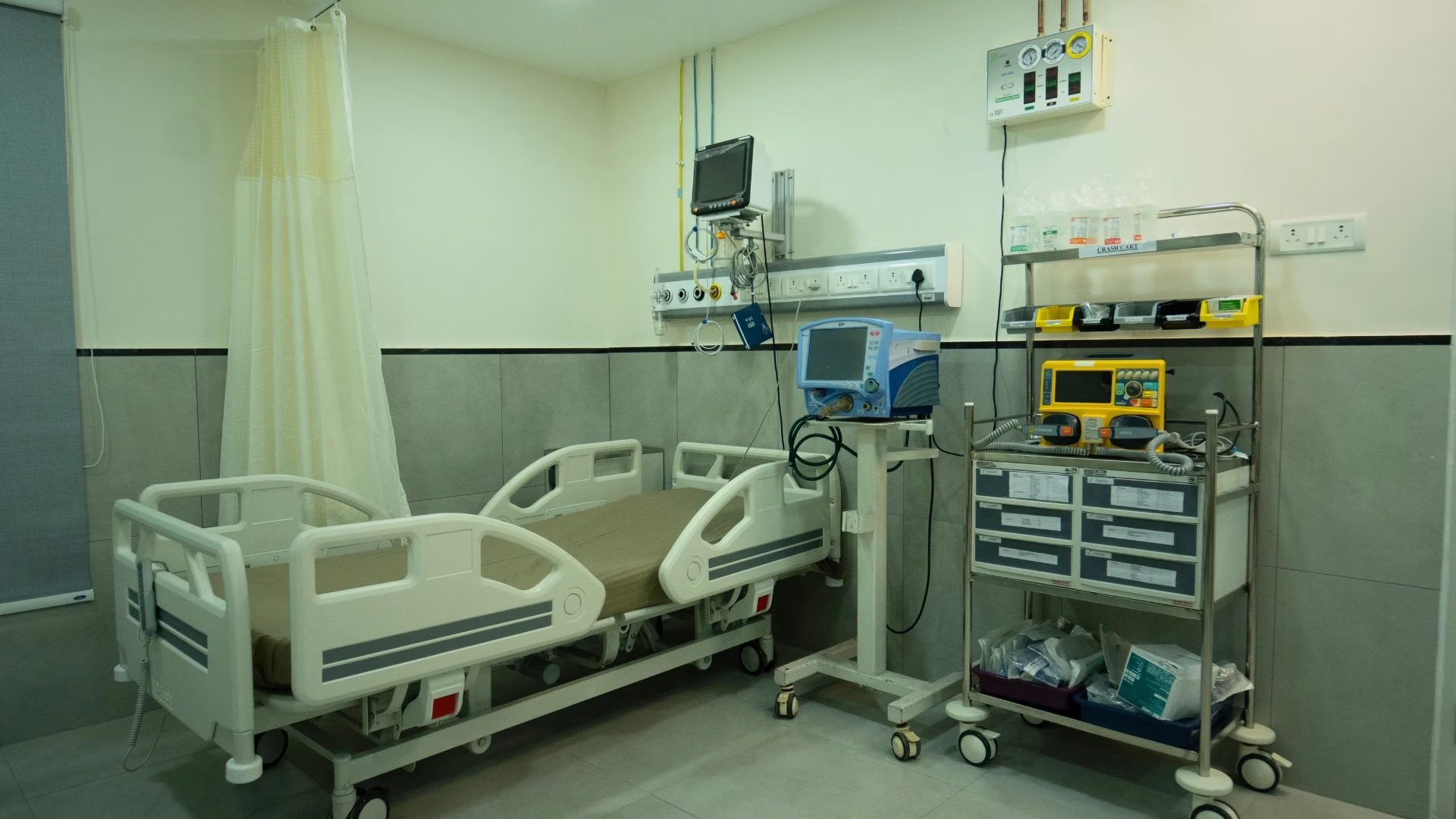
When a patient depends on a ventilator for many days, the situation becomes emotionally draining for both the patient and their family. Long periods of machine-assisted breathing often create fear, confusion, and financial stress. Many families across Hyderabad start searching for prolonged ventilatory support in Hyderabad because they want a structured recovery setting that supports ventilator reduction without the intensity of an ICU.
Rehab centres provide a controlled environment for weaning, strengthening, and respiratory improvement. With a mix of medical supervision, respiratory therapy, physiotherapy, and continuous monitoring, these centres help patients move toward independent breathing at a safe pace.
This guide explains why prolonged ventilator support occurs, how rehab centres help, and why they have become essential in Hyderabad for post-critical recovery.
Why Patients Need Prolonged Ventilatory Support
Ventilator dependence continues when the lungs or breathing muscles remain too weak to function independently. Several conditions lead to this phase:
- Severe lung infections
- Complications after major surgery
- Neuromuscular weakness
- Stroke-related breathing difficulty
- Trauma
- Chronic respiratory conditions like COPD
- Heart-related issues
- Respiratory failure due to prolonged illness
Even after emergency symptoms stabilize, many patients struggle to breathe without assistance. Families often ask:
- “Why is breathing still weak even after improvement?”
- “How long will this support be needed?”
- “What is the safest way to reduce ventilator use?”
Rehab centres help answer these questions with clear assessments and structured ventilator weaning plans.
Understanding Key Challenges During Long-Term Ventilator Use
Long-term ventilator dependence introduces several complications:
- Weakening of Breathing Muscles
When the machine handles most of the work, the diaphragm and chest muscles gradually weaken.
- Reduced Movement and Strength
Prolonged bed rest leads to muscle loss, stiffness, and poor endurance.
- Anxiety During Independent Breathing Trials
Patients often panic when asked to breathe without support because the body feels unfamiliar with natural breathing rhythms.
- High Risk of Respiratory Infections
Ventilator tubing increases infection chances, especially if airway clearance is weak.
- Poor Lung Expansion
When the lungs do not expand fully, recovery slows down.
- Family Stress and Financial Burden
Loved ones feel overwhelmed while watching the patient struggle and managing long hospital stays.
Rehab centres tackle every one of these challenges through organized protocols.
What Rehab Centres in Hyderabad Do for Prolonged Ventilator Care
Families searching for prolonged ventilatory support in Hyderabad look for a place where recovery continues with constant medical supervision but without the noise, intensity, and cost linked with critical units. Rehab centres play a major role through structured interventions.
1. Step-by-Step Ventilator Weaning Programme
Weaning is the gradual reduction of ventilator support as the lungs and muscles regain strength. Rehab centres follow a methodical process that includes:
- Controlled reduction of pressure support
- Spontaneous breathing trials
- Diaphragm strengthening
- Lung expansion drills
- Monitoring oxygen saturation and breathing rate
- Tracheostomy management when required
This stepwise reduction lowers the risk of sudden breathing fatigue and builds confidence.
2. Respiratory Therapy Throughout the Recovery Process
Respiratory therapy forms the backbone of ventilator weaning. Trained therapists assist with:
- Breathing pattern training
- Chest vibrations for secretion clearance
- Postural drainage
- Incentive spirometry
- Airway hygiene
- Lung stretching techniques
- Non-invasive support adjustments
These interventions help patients work toward natural breathing at a steady pace.
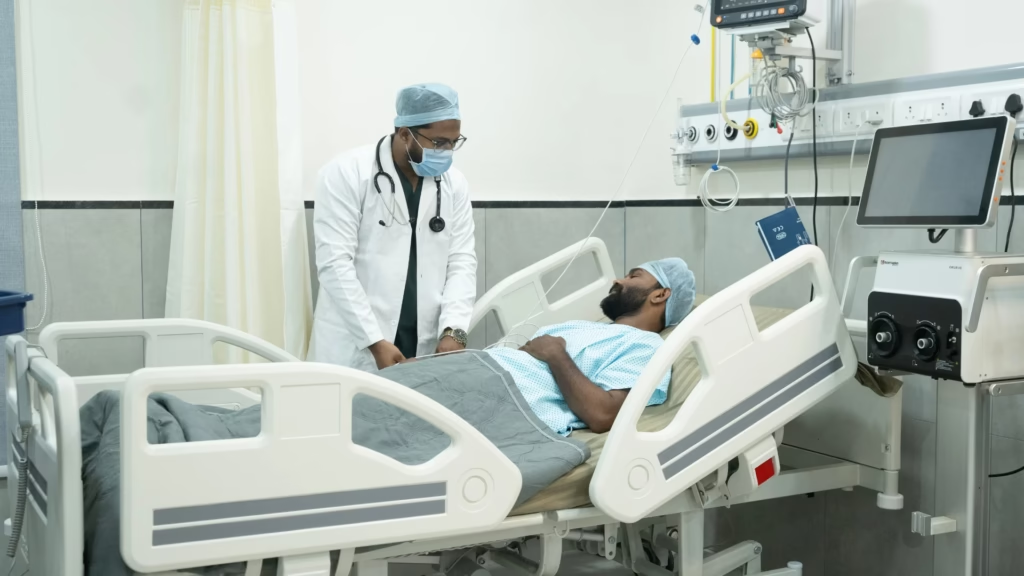
3. Active Physiotherapy for Muscle Strength
Weak muscles are one of the biggest reasons patients struggle during weaning. Rehab centres focus on:
- Bed mobility
- Upper and lower limb strengthening
- Trunk stability
- Gradual sitting and standing practice
- Walking support when possible
- Endurance improvement
When strength returns, breathing becomes easier and more natural.
4. Round-the-Clock Nursing Care
Skilled nursing teams manage:
- Airway clearance
- Suctioning when required
- Oxygen adjustment
- Nebulization
- Tracheostomy care
- Monitoring vital signs
- Early detection of breathing difficulty
Constant observation reduces complications and keeps the patient stable.
5. Preventing Ventilator-Related Complications
Rehab teams work actively to prevent:
- Chest infections
- Bedsores
- Muscle stiffness
- Dehydration
- Malnutrition
- Sleep disruptions
Prevention is crucial because complications often delay ventilator weaning.
6. Psychological Support During Weaning
Breathing without support creates anxiety because the body has become dependent on machine rhythm. Rehab centres help patients manage:
- Fear of breathlessness
- Panic episodes
- Stress during breathing trials
- Lack of confidence in natural breathing
- Sleep disturbances
Emotional support improves participation and stability during the process.
7. Regular Doctor Supervision for Safe Progress
Doctors evaluate:
- Lung recovery
- Muscle strength
- Oxygen requirements
- Heart function
- Infection indicators
- Progress with breathing trials
- Suitability for ventilator reduction
Every decision is medically guided to ensure safety.
Why Rehab Centres Are Better Than Long ICU Stays for Ventilator Weaning
Many families worry about shifting out of an ICU, but rehab centres often provide advantages once the patient is stable.
- Focus on Rehabilitation Instead of Intensive Crisis Care
Rehab centres aim to rebuild strength, improve lung function, and prepare the patient for independence.
- Lower Daily Cost
ICUs involve high expenses because of continuous emergency readiness. Rehab centres provide ventilator support in a controlled setting at lower cost.
- Reduced Risk of ICU Fatigue
ICU fatigue is common due to noise, bright lights, and constant alarms. Rehab centres provide a calmer environment.
- Better Family Communication
Families receive regular updates on progress, weaning strategy, and physical improvement.
- Integrated Care Under One Framework
Respiratory therapy, physiotherapy, nursing care, medical reviews, and airway management remain under one coordinated system.
Signs a Patient Is Ready for Ventilator Reduction
Rehab centres identify readiness through:
- Stable oxygen levels
- Reduced infection markers
- Improved chest movement
- Better alertness
- Stronger breathing muscles
- Ability to handle short spontaneous breathing sessions
Progress depends on individual health and underlying conditions.
Why Home Care Alone Is Not Enough for Prolonged Ventilator Support
Although many families prefer home care, prolonged ventilatory support requires:
- Continuous clinical monitoring
- Skilled airway care
- Breathing trials supervised by therapists
- Emergency handling capability
- Lung rehabilitation tools
- Tracheostomy care (when applicable)
Home care rarely provides this level of clinical support, making rehab safer.
Hyderabad’s Current Respiratory Care Need
Across areas like Gachibowli, Kondapur, Kukatpally, Jubilee Hills, Secunderabad, Hitec City, and Miyapur, residents face increasing respiratory illnesses due to pollution, dust exposure, seasonal flu spikes, and chronic lung conditions. This rise has increased the number of patients requiring prolonged ventilatory support in Hyderabad, making rehab centres a crucial part of the recovery ecosystem.
Family Questions About Ventilatory Support and Rehab Centres
It varies based on lung strength, age, illness severity, and physical condition.
Yes. They provide airway care, humidification, cleaning, and monitoring.
Many individuals improve with structured therapy, but results depend on underlying medical conditions.
Yes. Doctors and trained nurses identify early signs of distress and act quickly.
ICUs focus on life-saving interventions. Rehab centres focus on strength-building, controlled weaning, and long-term recovery.
Conclusion: Rehab Centres Support a Stronger Path Toward Independence After Prolonged Ventilator Use
Prolonged ventilatory support is a challenging journey that requires patience, structured care, and steady progress. Rehab centres in Hyderabad offer:
- Gradual ventilator weaning
- Continuous clinical monitoring
- Lung rehabilitation
- Physiotherapy
- Safe airway care
- Emotional support
- Strength recovery
- Doctor-led supervision
This environment provides a balanced and safe path for patients working toward natural breathing and long-term recovery.
Book Your Appointment Today
Reach out to Care Convoy and let us help you book an appointment at your convenience.
📞 Call us: +91-7799555018
📧 Email: careconvoy56@gmail.com
We’re always just a call or message away. Your health matters, and we’re here whenever you need us.
Read Also – Affordable ICU Care Alternatives in Hyderabad