
Sports Rehabilitation in Banjara Hills

Home ❯ Blog ❯ Sports Rehabilitation 7 Powerful Steps: Sports Rehabilitation in Banjara Hills for Peak Performance Getting You Back to Peak Performance safely and confidently. Sports rehabilitation in Banjara Hills: Injuries are a part of an active lifestyle – but staying stuck in recovery doesn’t have to be. If you’re searching for
physiotherapy vs rehabilitation what is the difference
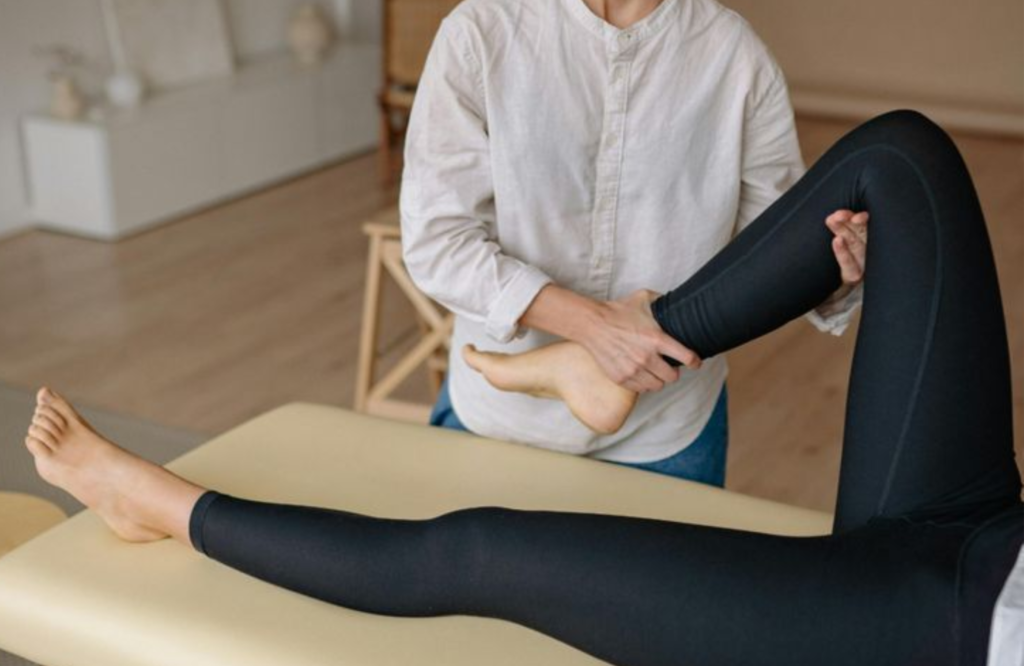
Home ❯ Blog ❯ Physiotherapy vs Rehabilitation 7 Crucial Facts: Physiotherapy vs Rehabilitation – What’s the Best Choice? Understand your options, choose the right treatment path, and avoid delays in your recovery. Physiotherapy vs rehabilitation: What’s the Real Difference? When recovering from an injury, surgery, or illness, one question comes up often – physiotherapy vs rehabilitation: which one do you actually need? Many people use these terms interchangeably, but they are not the same. Understanding the difference between physiotherapy and rehabilitation can help you choose the right treatment path and avoid delays in recovery. Let’s break it down in a way that actually makes sense for you. What Is Physiotherapy Treatment? Before comparing physiotherapy vs rehabilitation, it’s important to understand each individually. Physiotherapy treatment focuses on restoring movement, reducing pain, and improving physical function. It is often the first step in recovery after an injury, surgery, or chronic condition. Common goals of physiotherapy: Pain management through targeted techniques Improving joint mobility and flexibility Strengthening muscles Supporting injury recovery treatment options Preventing further injury Where physiotherapy is used: Back and neck pain Sports injuries Post-surgery stiffness Muscle recovery therapy Pain management physiotherapy In simple terms, physiotherapy helps your body move better and hurt less. What Is Rehabilitation Therapy? Now let’s understand what is rehabilitation therapy. Rehabilitation is a broader, more comprehensive process that focuses on restoring a person’s overall function and independence after a major health event. This includes not just physical recovery, but also: Strength and endurance building Balance and coordination training Mobility restoration therapy Functional recovery treatment (daily activities like walking, dressing, etc.) Types of rehabilitation treatments: Neurological rehabilitation (stroke, brain injury) Orthopedic rehabilitation (post-surgery, fractures) Cardiac and pulmonary rehabilitation Geriatric rehabilitation Post ICU rehabilitation process Rehabilitation looks at the bigger picture – not just movement, but how well you can live your daily life independently. Physiotherapy vs Rehabilitation: Key Differences Here’s a clear comparison to simplify the physiotherapy vs rehabilitation difference: Physiotherapy Focuses on pain relief and movement Usually a part of treatment Targets specific physical issues Short to medium-term care Example: treating knee pain Rehabilitation Focuses on full functional recovery A complete recovery program Addresses overall independence Often long-term, structured care Example: helping you walk independently after surgery 👉 Important: Physiotherapy is often a part of rehabilitation, but rehabilitation includes much more. Is Physiotherapy Part of Rehabilitation? Yes – and this is where most confusion comes in. If you’re wondering “is physiotherapy part of rehabilitation?” 👉 The answer is yes. Rehabilitation programs often include: Physiotherapy sessions Occupational therapy Balance and coordination training Functional activity training So while physiotherapy focuses on specific physical recovery, rehabilitation combines multiple approaches for complete recovery. When Do You Need Rehabilitation Instead of Physiotherapy? This is one of the most important decisions in your recovery journey. You may need only physiotherapy if: You have mild to moderate pain You’re recovering from a minor injury Your mobility is mostly intact You need rehabilitation if: You’ve had surgery or a major injury You’re recovering after ICU stay You have difficulty walking or performing daily activities There’s muscle weakness, poor balance, or low endurance You need structured post injury rehabilitation process 👉 In simple terms: If your goal is just pain relief → physiotherapy If your goal is getting your life back → rehabilitation Which Is Better: Physiotherapy or Rehab? A common question: “which is better in the physiotherapy vs rehabilitation debate?” The truth is – it’s not about better, it’s about what your body needs. Physiotherapy is ideal for targeted recovery Rehabilitation is essential for complete recovery In many cases, starting with physiotherapy and progressing into a structured rehab program gives the best results. Can Physiotherapy Replace Rehabilitation? Short answer: No. Physiotherapy alone cannot replace a full rehabilitation program when: Functional independence is affected Multiple systems (strength, balance, endurance) need work Recovery requires long-term supervision Rehabilitation is designed to address everything physiotherapy cannot cover alone. Physiotherapy Benefits vs Rehabilitation Therapy Benefits Physiotherapy benefits: Reduces pain and inflammation Improves flexibility and movement Speeds up muscle recovery Prevents stiffness Rehabilitation therapy benefits: Restores independence Improves balance and coordination Builds long-term strength and endurance Reduces risk of re-injury or complications 👉 Think of it this way: Physiotherapy helps you feel better. Rehabilitation helps you function better. How Long Does Rehabilitation Take After Injury? Another common concern: “how long does rehabilitation take after injury?” The answer depends on the type of injury, severity, age, overall health, and consistency of therapy. General timeline: Minor rehab: 2–6 weeks Moderate cases: 6–12 weeks Complex recovery: 3–6 months or more Recovery is not just about time – it’s about progress and consistency. Choosing the Right Care: What Should You Look For? If you’re searching for: physiotherapy clinic near me, rehabilitation center near me, best physiotherapy clinic in Hyderabad, sports rehab center Hyderabad, or physiotherapy treatment cost Hyderabad… Make sure the center offers: Qualified and experienced therapists Structured rehabilitation programs Personalized treatment plans Focus on functional recovery, not just symptom relief It’s Not Just Treatment – It’s Recovery The confusion between physiotherapy vs rehabilitation often leads to incomplete recovery. Many patients stop when the pain reduces, without addressing strength, balance, and functional independence. But true recovery doesn’t end when you feel better.It ends when your body is strong, stable, and capable again. At Care Convoy, we look beyond symptom relief. Whether you need targeted physiotherapy or a structured rehabilitation program, our approach is designed to restore real-life function – not just temporary improvement. Because recovery isn’t just about healing. It’s about getting you back to living independently, safely, and confidently. 📍 Kamalapuri Colony, Hyderabad 📞 7799556108 Start Your Recovery Journey Today “Read more – Rehabilitation After ICU Stay in Hyderabad”
Rehabilitation Centre in Banjara Hills – Your Complete Guide to Recovery and Independence
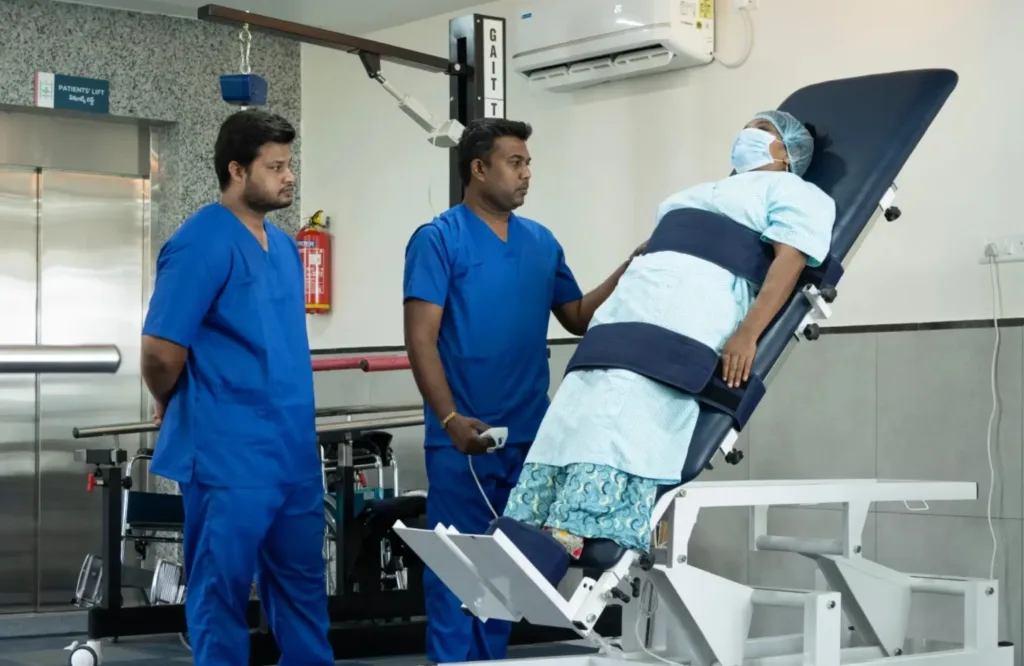
Home ❯ Blog ❯ Rehabilitation Rehabilitation Centre in Banjara Hills Your Complete Guide to Recovery and Independence When it comes to recovering after an illness, injury, or surgery, choosing the right rehabilitation centre in Banjara Hills can significantly influence how well and how quickly you return to your normal life. Many people assume that once they are discharged from the hospital, recovery will happen naturally over time, but there is a crucial difference between healing and functional recovery. While your body may be medically stable, it often lacks the strength, balance, and coordination required for everyday activities, and that gap is exactly where rehabilitation plays a vital role. A structured program at a rehabilitation centre in Banjara Hills focuses not just on recovery, but on helping you regain independence, confidence, and the ability to live life without constant support. What Is a Rehabilitation Centre and Why Is It Important? A physiotherapy rehabilitation centre in Banjara Hills is designed to help patients restore their physical and functional abilities after medical treatment. While hospitals focus on treating the condition, rehabilitation ensures that you can return to your daily routine safely and effectively. Without proper rehabilitation, many patients experience: Persistent weakness and fatigue Reduced mobility and flexibility Increased stiffness and pain Higher risk of falls or re-injury Delayed overall recovery In simple terms, rehabilitation bridges the gap between being discharged from the hospital and truly getting your life back. Who Should Consider a Rehabilitation Centre in Banjara Hills? Rehabilitation is not only for severe cases; it is for anyone who is not functioning at their full physical capacity. Often, patients underestimate their need for structured recovery until daily tasks start feeling difficult. You may benefit from a rehabilitation centre in Banjara Hills if you notice: Difficulty walking or moving without support Weakness after hospitalization or illness Pain or stiffness following surgery Balance issues or frequent falls Reduced stamina for everyday activities Early intervention in such cases can prevent long-term complications and significantly improve recovery outcomes. Types of Rehabilitation Services Available Neuro Rehabilitation Centre in Banjara Hills A neuro rehabilitation centre in Banjara Hills focuses on conditions affecting the brain and nervous system, such as stroke, Parkinson’s disease, or spinal cord injuries. These conditions often impact coordination, movement, and independence. Rehabilitation programs typically include: Balance and coordination training Gait (walking) retraining Muscle re-education exercises Functional and cognitive recovery techniques With consistent therapy, patients can gradually regain control and improve their quality of life. Ortho Rehabilitation Centre Banjara Hills An ortho rehabilitation centre in Banjara Hills supports recovery from orthopedic conditions such as fractures, joint replacements, and ligament injuries. Even after successful surgery, the body requires guided movement to regain full function. Key benefits include: Improved joint mobility and flexibility Reduced stiffness and post-surgical pain Strength rebuilding around affected areas Safer and faster return to daily activities Post Surgery Rehab Centre Banjara Hills After surgery, many patients hesitate to move due to fear of pain or damaging the surgical site, which can slow down recovery. A post surgery rehab centre in Banjara Hills ensures that movement begins safely and progressively. Rehabilitation focuses on: Pain management and swelling reduction Gentle mobility exercises Muscle activation and strengthening Guided walking and functional movement This structured approach helps patients regain confidence in their bodies while speeding up recovery. Stroke Rehabilitation Centre Banjara Hills Stroke recovery requires patience, consistency, and expert guidance. A stroke rehabilitation centre in Banjara Hills works on restoring movement, improving balance, and helping patients relearn everyday activities. Therapy often includes: Movement training for affected limbs Balance and posture correction Daily activity retraining Confidence-building exercises With the right support, patients can achieve significant improvements and regain independence. Sports Injury Rehab Banjara Hills For athletes and active individuals, recovery is not just about healing but about returning to peak performance. Sports injury rehab in Banjara Hills focuses on both recovery and prevention. Programs typically include: Injury-specific strengthening exercises Flexibility and mobility training Endurance and conditioning programs Techniques to prevent future injuries What Makes the Best Rehabilitation Centre in Banjara Hills? Choosing the best rehabilitation centre in Banjara Hills goes beyond convenience or location. The quality of care and approach to recovery play a major role in outcomes. Here’s what to look for: Structured programs: Clear, step-by-step recovery plans tailored to your condition Multidisciplinary care: Collaboration between doctors, physiotherapists, and specialists Personalized treatment: Individual attention based on your recovery pace Functional focus: Emphasis on real-life movement and independence Safe supervision: Guided exercises to ensure correct technique and prevent injury A good rehabilitation centre focuses not just on recovery, but on long-term wellness and independence. Why Early Rehabilitation Is Crucial Delaying rehabilitation is one of the most common mistakes patients make. Even a few weeks of inactivity can lead to significant muscle loss and reduced mobility. When rehabilitation is delayed, patients may experience: Increased stiffness and joint restrictions Loss of muscle strength Reduced balance and coordination Slower and more complicated recovery On the other hand, starting early offers several advantages: Faster improvement in strength and mobility Reduced risk of complications Better pain management Improved confidence in movement Early rehabilitation ensures that recovery begins at the right time, preventing setbacks later. What to Expect During Rehabilitation At a rehabilitation centre in Banjara Hills, the process is structured and patient-focused. It begins with a detailed assessment to understand your current condition and recovery goals. The journey typically includes: Initial evaluation: Assessing strength, mobility, and limitations Goal setting: Defining short-term and long-term recovery targets Therapy sessions: Including strength training, balance work, and mobility exercises Progress tracking: Regular monitoring and program adjustments Consistency is key, and gradual progress leads to sustainable recovery. How Rehabilitation Improves Daily Life The ultimate aim of rehabilitation is to restore independence and improve quality of life. Over time, patients begin to notice meaningful changes in their daily routines. Some of the most impactful improvements include: Walking without assistance Performing daily activities with ease Reduced pain and stiffness Better balance and coordination Increased confidence in movement These improvements may
Rehabilitation After ICU Stay in Hyderabad – A Complete Guide to Recovery
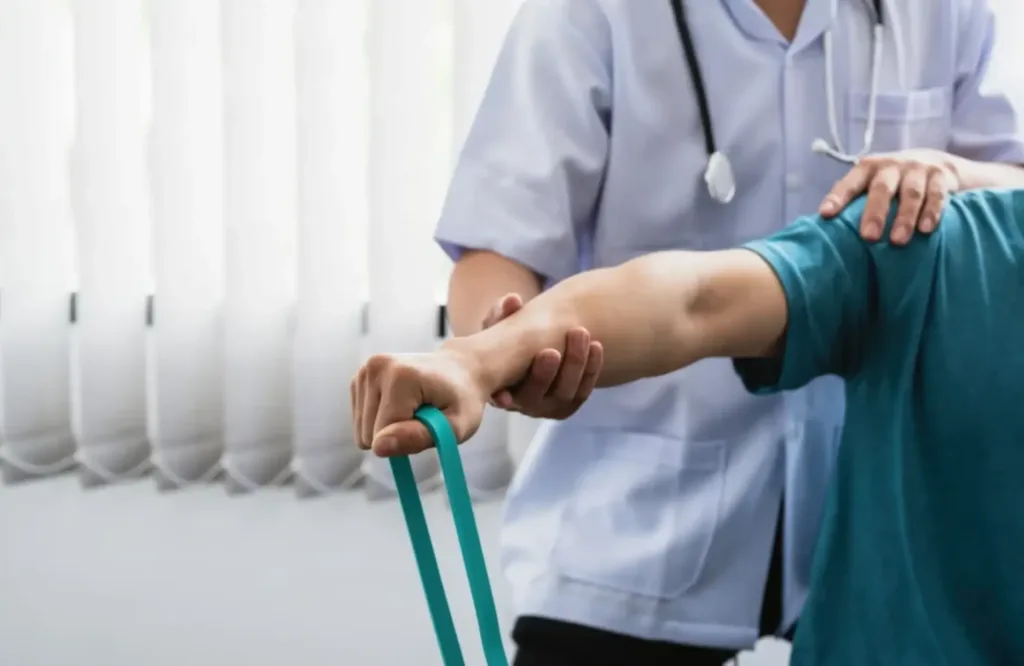
Home ❯ Blog ❯ Rehabilitation Rehabilitation After ICU Stay in Hyderabad A Complete Guide to Recovery Did you know? Nearly 50–70% of ICU survivors experience physical, mental, or cognitive challenges after discharge. This is known as Post-Intensive Care Syndrome (PICS), and it highlights why rehabilitation after ICU stay in Hyderabad is not optional – it is essential. Many believe recovery ends when they leave the ICU, but that’s when the real journey begins. The body may be stable, yet it is often weak, deconditioned, and not ready for daily life. A structured ICU patient rehabilitation program helps bridge that gap and restore independence. What Happens After ICU Discharge? After a prolonged ICU stay, especially with ventilator support or critical illness, the body undergoes significant stress. Muscles weaken, lung capacity reduces, and even cognitive function can be affected. This is why recovery after ICU discharge often includes: Severe fatigue and low energy Difficulty walking or standing Shortness of breath Memory or concentration issues Anxiety or mood changes Without proper post ICU rehabilitation in Hyderabad, these symptoms can last for months and affect overall quality of life. Why Rehabilitation After ICU Stay in Hyderabad Is Essential A structured rehabilitation after ICU stay in Hyderabad focuses on rebuilding strength, improving breathing, and restoring daily function step by step. It supports both physical and mental recovery. Key benefits include: Preventing long-term muscle loss Improving lung function and endurance Restoring balance and coordination Regaining independence in daily tasks Supporting emotional recovery Rehabilitation ensures that recovery is complete, not partial. Common Challenges After ICU Stay #1 Muscle Weakness After ICU Recovery Muscle weakness after ICU recovery is one of the most common issues. Even a few days of immobility can lead to noticeable strength loss. Patients may struggle with: Standing without support Walking short distances Climbing stairs Performing routine tasks Targeted physiotherapy helps rebuild strength safely and gradually. #2 Breathing Problems After ICU Treatment Patients who required oxygen or ventilator support often face breathing problems after ICU treatment. Even mild activity can cause breathlessness. Rehabilitation includes: Breathing exercises for lung efficiency Gradual activity to build stamina Techniques to manage breathlessness This is a key part of ICU recovery physiotherapy in Hyderabad. #3 Cognitive Issues After ICU Stay Recovery is not only physical. Many patients experience cognitive issues after ICU stay, such as memory gaps or poor concentration. These can affect: Focus and attention Decision-making Daily functioning A structured post intensive care syndrome treatment in Hyderabad helps address these challenges effectively. #4 Emotional and Psychological Impact ICU experiences can be overwhelming. Many patients feel anxious, fearful, or lack confidence after discharge. Rehabilitation helps by: Encouraging gradual independence Building confidence through progress Providing a supportive environment Rehabilitation After Ventilator Support Rehabilitation after ventilator support is crucial, as both lung function and muscle strength are affected. Recovery requires a focused and gradual approach. Programs typically include: Respiratory muscle training Mobility and strengthening exercises Functional movement training With consistent care, patients can regain both strength and breathing capacity. ICU Recovery for Elderly Patients ICU recovery for elderly patients requires extra care, as recovery may be slower and more complex. The focus is on safety and independence. Key areas include: Balance and fall prevention Gentle strength-building Improving endurance Enhancing mobility A structured ICU patient rehabilitation program ensures safe and steady recovery. What Does an ICU Patient Rehabilitation Program Include? A well-designed post ICU rehabilitation in Hyderabad is tailored to each patient. It combines multiple therapies to restore function effectively. Core Components Physical therapy: Strength and mobility Respiratory therapy: Lung function improvement Functional training: Daily activity practice Cognitive support: Memory and focus Emotional support: Confidence building Each step is monitored and adjusted for optimal recovery. Why Early Rehabilitation Makes a Difference Delaying recovery can slow progress and increase complications. The body loses strength quickly during inactivity. Starting rehabilitation after ICU stay in Hyderabad early helps: Speed up recovery Reduce stiffness and weakness Improve outcomes Restore independence faster Early action leads to better results. What to Expect During Recovery Recovery after ICU is gradual. Progress may feel slow, but consistency makes a big difference. Patients usually notice: Improved strength over time Reduced breathlessness Better balance and coordination Increased confidence Every small step contributes to long-term recovery. How Rehabilitation Transforms Daily Life Rehabilitation helps patients return to normal life step by step. Tasks that once felt difficult become easier with time. Patients often regain the ability to: Walk independently Perform daily activities Move without fear Re-engage in social life These changes improve both physical and emotional well-being. Your Journey to Recovery Starts Here Recovering from an ICU stay is not just about survival – it is about living independently again. Choosing the right rehabilitation after ICU stay in Hyderabad ensures a structured and effective recovery journey. With the right support, recovery is not just possible – it is achievable. Frequently Asked Questions What is Post-Intensive Care Syndrome (PICS)? PICS refers to the physical, cognitive, and psychological impairments that persist after ICU discharge. It affects 50-70% of ICU survivors and highlights the importance of structured rehabilitation programs. How long does ICU rehabilitation typically take? Recovery timelines vary based on the severity of illness, age, and overall health. Some patients show improvement within weeks, while others may require months of consistent rehabilitation. Early intervention typically accelerates progress. Can elderly patients recover fully after ICU stays? Yes, elderly patients can achieve significant functional recovery with appropriate rehabilitation. While recovery may be slower, tailored programs focusing on safety and gradual strengthening have shown excellent outcomes. What is ICU-acquired weakness? ICU-acquired weakness develops during prolonged critical illness due to immobility and physiological stress. Early rehabilitation and mobilization help prevent or minimize this weakness. Is psychological support important in post-ICU recovery? Absolutely. Many ICU survivors experience anxiety, PTSD-like symptoms, and depression. A comprehensive rehabilitation program should include emotional and psychological support alongside physical therapy. How can I find a specialized ICU rehabilitation centre in Hyderabad? Look for centres that offer multidisciplinary care, experienced physiotherapists, respiratory therapists, and psychological support.
Chronic Liver Disease Rehabilitation in Hyderabad – A Recovery Story
Home ❯ Blog ❯ Rehabilitation Chronic Liver Disease Rehabilitation in Hyderabad A Recovery Story Mr. K K’s journey is a powerful example of how timely medical care and a structured rehabilitation program can change outcomes. When patients with advanced liver disease face multi-organ dysfunction, recovery becomes complex and uncertain. At our advanced rehabilitation centre in Hyderabad, structured medical rehabilitation plays a vital role in restoring independence after critical illness. Initial Medical Condition When Mr. K K arrived at the rehabilitation unit, his condition was critical and life-threatening. He was diagnosed with chronic decompensated liver disease, complicated by: Severe volume overload Sepsis with multi-organ dysfunction (MODS) Hepatic encephalopathy At admission, he was confused, barely responsive, physically weak, and completely dependent on medical support for basic survival. Critical Care and Stabilization The initial phase focused on stabilizing his condition. The medical team prioritized: Infection management Fluid balance and volume control Liver support & Nutrition therapy Progress was gradual. However, with continuous critical care rehabilitation support, early signs of recovery began to appear. His infection came under control, breathing improved, and generalized swelling reduced. Most importantly, his neurological improvement became visible as the hepatic encephalopathy began to resolve. He progressed from minimal responsiveness to: Opening eyes to command Recognizing family members Following simple instructions Role of Rehabilitation in Recovery Once medically stable, post ICU rehabilitation in Hyderabad became the cornerstone of his recovery. A structured rehabilitation program was initiated, including: Physiotherapy for ICU patients Gradual mobility restoration Bed mobility and sitting balance training Activities of daily living recovery Gradual Functional Improvement Recovery occurred step by step. First, he was able to sit with support. Then he progressed to supported standing. Soon after, assisted walking began. What once required full assistance became increasingly independent. His confidence improved alongside his physical recovery – a key marker in multi-organ dysfunction recovery. Today, Mr. K K is: Fully conscious, alert, and oriented Independently mobile Able to perform daily activities Socially interactive and confident Why Early Rehabilitation Matters In complex conditions like chronic liver disease with MODS, early rehabilitation is not optional – it is essential. Timely intervention helps prevent ICU-acquired weakness, improve neurological recovery, and accelerate mobility restoration. Conditions Treated at Our Centre Our multidisciplinary team manages complex recovery pathways including: Chronic Liver Disease Recovery Post ICU Rehabilitation Multi Organ Dysfunction Neurological Rehabilitation Critical Care Rehab Post-Surgical Rehab Frequently Asked Questions Can patients recover after multi organ failure? Yes. With timely organ stabilization, infection control, and structured rehabilitation, many patients can achieve meaningful functional recovery. How long does hepatic encephalopathy recovery take? Recovery time varies depending on severity and underlying liver function. Cognitive improvement may begin within days to weeks once precipitating factors are controlled. What is post ICU rehabilitation? Post ICU rehabilitation is a structured therapy program that helps patients regain strength, mobility, breathing capacity, and daily function after critical illness. Is PRES completely reversible? Posterior Reversible Encephalopathy Syndrome (PRES) is often reversible when identified and treated early, though recovery timelines can vary. Where can I find a neuro rehabilitation centre? Look for centres in Hyderabad that offer multidisciplinary care, critical care rehabilitation expertise, and supervised physiotherapy programs tailored to complex recovery needs. Begin the Recovery Journey If your loved one is recovering from critical illness, liver disease, or prolonged ICU stay, early rehabilitation can make a life-changing difference. 📍 Contact our rehabilitation team Read More
Postpartum PRES Rehabilitation in Hyderabad – A Complete Neurological Recovery Story
Home ❯ Blog ❯ Rehabilitation Postpartum PRES Rehabilitation in Hyderabad A Complete Neurological Recovery Story Mrs. S’s journey is a powerful example of how coordinated care can transform outcomes. When a young mother develops a critical neurological emergency after childbirth, recovery can feel uncertain and overwhelming. At our advanced neuro rehabilitation centre in Hyderabad, structured intensive rehabilitation support plays a crucial role in restoring neurological function and independence. Initial Medical Condition When Mrs. S was transferred to the rehabilitation unit, she was fighting for her life. She had developed postpartum Posterior Reversible Encephalopathy Syndrome (PRES) following childbirth. Her condition was further complicated by: Multi-drug resistant ventilator-associated pneumonia (MDR-VAP) Prolonged ventilator dependence Tracheostomy for airway support At admission, she was completely dependent on life-sustaining care with minimal neurological responsiveness. Critical Care and Stabilization The immediate priority was aggressive medical stabilization. The multidisciplinary team initiated: Advanced infection control Continuous neurological monitoring Respiratory therapy and ventilator management Comprehensive supportive care Managing a resistant infection alongside neurological injury required round-the-clock vigilance. Gradually, clinical improvements began to appear. Her infection responded to treatment, and neurological responses slowly improved. Role of Neuro Rehabilitation in Recovery Once medically stable, PRES rehabilitation in Hyderabad became the turning point in her recovery. A structured program was initiated, including ventilator weaning rehabilitation, neurological physiotherapy, and functional retraining. Gradual Functional Improvement Recovery unfolded step by step. First, her ventilator dependence reduced. Then came successful tracheostomy weaning. Her speech gradually returned. With continued therapy: Sitting balance improved Standing became possible Assisted walking progressed to independent mobility Today, Mrs. S is: Fully conscious and neurologically intact Breathing independently Walking without support Able to care for her newborn with independence and joy Why Early Neuro Rehabilitation Matters In conditions like PRES with prolonged ventilator dependence, early and structured rehabilitation is critical. It helps accelerate ventilator weaning, improve cognitive recovery, and prevent ICU-acquired weakness. Conditions Managed PRES Rehabilitation Post ICU Neuro Recovery Ventilator Weaning Tracheostomy Recovery Neuro Physiotherapy Critical Illness Recovery Frequently Asked Questions Can patients fully recover from PRES? Yes. PRES is often reversible when treated early. With proper neurological care and rehabilitation, many patients achieve excellent recovery. How long does ventilator weaning take? The duration varies based on lung function and neurological status. A structured program significantly improves success rates. What is post ICU neuro recovery? It is a specialized rehabilitation process that helps patients regain cognitive, respiratory, and physical function after critical neurological illness. When can a tracheostomy be safely removed? Removal is considered once the patient demonstrates adequate breathing strength, airway protection, and stable neurological status. Begin the Recovery Journey If your loved one is recovering from PRES, prolonged ventilation, or critical neurological illness, early rehabilitation can be life-changing. 📍 Contact our neuro rehabilitation team to support safe, structured, and complete neurological recovery. Read More
Post-Surgery Rehabilitation Centers in Hyderabad: What to Expect for a Safer, Steadier Recovery
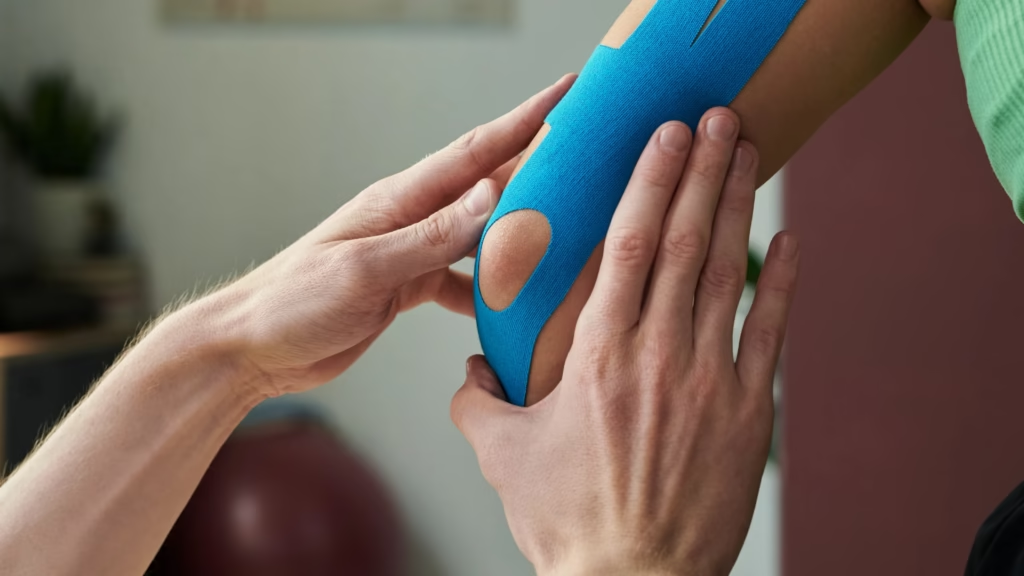
Surgery is often seen as the finish line. In reality, it’s the starting point. What happens in the days and weeks after surgery decides how well your body heals, how confidently you move, and whether pain truly settles or quietly lingers. This is where post-surgery rehabilitation becomes essential – not as an add-on, but as a core part of recovery. If you are considering a post-surgery rehabilitation center in Hyderabad, here’s what you should realistically expect and why it matters. Why Post-Surgery Rehabilitation Is Not Optional After surgery, the body enters a delicate healing phase. Muscles weaken quickly, joints stiffen, and even simple movements can feel unfamiliar or uncomfortable. Many people assume rest alone will solve this, but prolonged rest often creates more problems than it prevents. Post-operative rehabilitation gently reintroduces movement in a structured way. It helps reduce pain and swelling, restores strength and mobility, and most importantly, teaches the body how to move correctly again. Without this guidance, faulty movement patterns can develop, making recovery longer and more difficult. What Actually Happens Inside a Rehabilitation Center The first thing most people notice at a good rehabilitation center is that recovery isn’t rushed. Rehabilitation begins with a detailed understanding of your surgery, your current pain levels, and how your body is responding so far. Therapists observe how you move, how stable you feel while walking, and where your body is compensating. This isn’t just about exercise – it’s about understanding how your whole body is adapting after surgery. Based on this, a personalized recovery plan is created. This plan evolves as your body heals. Early sessions may focus on pain control and gentle movement. As strength improves, therapy gradually shifts toward rebuilding endurance, balance, and confidence in daily activities like walking, climbing stairs, or getting in and out of a chair. Rehabilitation After Common Surgeries For orthopedic and joint surgeries, rehabilitation focuses on restoring natural joint movement and strengthening surrounding muscles so the joint is supported properly. This prevents stiffness and reduces long-term discomfort. After knee replacement surgery, therapy is especially important. Regaining knee bending, rebuilding thigh strength, and relearning normal walking patterns are essential for long-term success. Skipping or delaying rehab often leads to persistent stiffness. Spine surgery rehabilitation is approached with extra care. The focus is on posture correction, core strength, and safe movement strategies that protect the spine while gradually restoring independence. In cases of fractures, especially after periods of immobilization, rehabilitation helps reverse stiffness and muscle weakness. It ensures that movement returns smoothly without overloading healing bones. Recovery Looks Different for Older Adults Recovery after surgery can be more challenging for elderly patients. Balance issues, reduced muscle strength, and fear of falling often slow progress. That’s why rehabilitation for elderly patients needs to be carefully supervised and paced. With the right guidance, elderly individuals can regain mobility safely, improve balance, and maintain independence – often better than expected. The key is consistency, patience, and proper medical oversight. Why Supervised Rehabilitation Makes a Difference One of the biggest mistakes people make is trying to recover entirely on their own or relying only on unsupervised exercises. Medically supervised rehabilitation ensures exercises are done correctly, progressed at the right time, and adjusted based on pain or fatigue. This reduces the risk of reinjury and prevents small setbacks from turning into long-term problems. Recovery becomes safer, smoother, and more predictable. Choosing the Right Rehabilitation Center in Hyderabad The right rehabilitation center doesn’t promise instant results. Instead, it offers structured care, expert supervision, and a clear recovery plan that adapts as your body heals. Look for a center that prioritizes personalized therapy, experienced physiotherapists, and long-term functional recovery rather than quick fixes. A Thoughtful Approach to Recovery Recovery isn’t about pushing harder – it’s about moving smarter. At Care Convoy, post-surgery rehabilitation is designed to support healing at every stage, with medically supervised therapy plans tailored to each individual’s surgery, age, and recovery needs. 📍 Care Convoy, Kamalapuri Colony, Hyderabad If you or a loved one is recovering from surgery, the right rehabilitation support can make all the difference between simply healing and truly getting back to life. Book Your Appointment Today Reach out to the Care Convoy team and we’ll help you book a time that suits you best. 📞 Call: +91-7799555018📧 Email: careconvoy56@gmail.com We’re always just a call or message away. Your health matters — and we’re here whenever you need us. Read Also – Rehabilitation for Elderly Patients in Hyderabad
Rehabilitation for Elderly Patients in Hyderabad: Restoring Strength, Safety, and Independence

Aging changes the body quietly. Muscles weaken faster, balance becomes less reliable, and recovery after illness or injury takes longer than it once did. For many elderly individuals, a small fall, a short hospital stay, or lingering joint pain can suddenly affect confidence, mobility, and independence. This is why rehabilitation for elderly patients is not just about exercise – it is about helping seniors move safely, regain control over their bodies, and maintain quality of life. If you are looking for geriatric rehabilitation services in Hyderabad, here’s what truly matters and what families should expect. Why Rehabilitation Is Essential for Seniors In older adults, inactivity leads to rapid muscle loss and stiffness. Even a few weeks of reduced movement can cause weakness, poor balance, and fear of falling again. Unfortunately, many seniors are advised to “rest more,” which often worsens the problem. Rehabilitation helps reverse this decline. Through guided movement, balance training, and strength-building exercises, elderly patients relearn safe movement patterns. This not only reduces pain but also restores confidence in daily activities like walking, standing up, and climbing stairs. Rehabilitation After Falls: More Than Just Healing Injuries Falls are one of the most common reasons elderly patients need rehabilitation. While bruises or fractures may heal, the fear of falling again often remains. This fear leads to reduced movement, which increases weakness and raises the risk of future falls. Rehabilitation after a fall focuses on rebuilding strength, improving balance, and correcting walking patterns. Therapists also identify why the fall happened – whether due to muscle weakness, poor posture, or coordination issues – and address the root cause instead of just the injury. Stroke Rehabilitation for Elderly Patients Stroke recovery is different at every age, but elderly patients need extra attention and patience. Weakness on one side, difficulty with coordination, or reduced endurance can make everyday tasks overwhelming. Stroke rehabilitation aims to retrain the brain and body together. Through repetitive, supervised movements, seniors gradually regain control, improve balance, and relearn functional activities like standing, walking, or using their hands effectively. Early and consistent rehabilitation plays a major role in preventing long-term disability. Managing Joint Pain and Age-Related Mobility Issues Chronic joint pain, arthritis, and stiffness are common complaints among seniors. Over time, pain leads to altered movement – limping, avoiding one side, or relying heavily on support, which creates more strain on the body. Rehabilitation for joint pain focuses on gentle mobility exercises, muscle strengthening, and posture correction. When done under supervision, therapy reduces pain while protecting joints from further damage. The goal is not just comfort, but safer and more confident movement. Balance, Strength, and Fall Prevention One of the most important aspects of geriatric rehabilitation is fall prevention. As muscle strength reduces and reflexes slow, balance becomes unstable. Rehabilitation programs for seniors include targeted balance training, leg strengthening, and coordination exercises designed specifically for ageing bodies. With proper training, many elderly individuals significantly reduce their risk of falls and regain trust in their own movement. Why Supervised Rehabilitation Is Safer for Seniors Elderly rehabilitation should never be rushed or unsupervised. Medically supervised therapy ensures that exercises are appropriate for the patient’s age, medical history, and current strength levels. Therapists monitor posture, breathing, fatigue, and safety at every step. This reduces injury risk and ensures steady, sustainable progress. Supervised rehabilitation also helps seniors stay motivated, consistent, and emotionally supported during recovery. Rehabilitation That Supports Independence and Quality of Life At its core, rehabilitation for seniors is about preserving independence. Being able to walk safely, perform daily activities, and move without fear has a direct impact on confidence, mental health, and overall quality of life. With the right rehabilitation approach, many elderly patients regain far more function than they expect. Thoughtful Geriatric Rehabilitation in Hyderabad At Care Convoy, elderly rehabilitation is approached with patience, safety, and respect for each individual’s pace of recovery. Therapy programs are medically supervised, personalised, and focused on restoring strength, balance, and confidence – not just managing symptoms. 📍 Care Convoy, Kamalapuri Colony, Hyderabad If ageing, illness, or injury has reduced mobility or independence, the right rehabilitation support can help seniors move better, safer, and with dignity. Book Your Appointment Today Reach out to the Care Convoy team and we’ll help you book a time that suits you best. 📞 Call: +91-7799555018📧 Email: careconvoy56@gmail.com We’re always just a call or message away. Your health matters — and we’re here whenever you need us. Read Also – Post-Surgery Rehabilitation Centers in Hyderabad
Affordable ICU Care Alternatives in Hyderabad: How Transitional Care Saves Costs

Families across Hyderabad often face confusion when a loved one spends long days in an ICU. Bills rise fast, stress builds, and questions begin to overwhelm everyone involved. Many people feel lost and begin searching for affordable ICU care alternatives in Hyderabad that can protect health without draining savings. Transitional care offers a safe, medically supervised, and cost-saving bridge between intensive treatment and home recovery. Care Convoy blends experience, clinical skill, and human understanding to support people during this difficult phase. This page explains how transitional care reduces expenses, supports recovery, and gives families relief from financial and emotional pressure. Why People Look for Affordable ICU Care Alternatives in Hyderabad When families see ICU bills rising, they usually ask: Is there any lower-cost solution that still protects my loved one? If the patient is stable, why should they stay longer inside the ICU? What exactly makes ICU stays so expensive in Hyderabad hospitals? Is there a safer step-down option before going home? These questions come from fear, budget stress, and the need for clarity. Hyderabad’s major hospitals often experience heavy critical-care loads, leading to extended ICU stays even after the immediate crisis is over. Transitional care helps move patients out of the ICU safely, reducing expenses while keeping medical supervision intact. Understanding Transitional Care Transitional care supports people who are stable enough to leave the ICU but still require continuous monitoring, rehabilitation, and nursing support before returning home. It focuses on recovery, strength-building, and preventing complications. Key services include: Continuous nursing Medication management Respiratory support Vital monitoring Physiotherapy Mobility rebuilding Nutrition support Speech and occupational improvement Clinical reviews by doctors For many families, transitional care becomes a safe and structured alternative with lower overall cost and higher comfort for the patient. How Transitional Care Reduces ICU Costs When people search for affordable ICU care alternatives in Hyderabad, they want clear financial explanations. Transitional care helps save money through multiple factors. Much Lower Daily Cost Compared to ICU ICUs require advanced machines, emergency specialists, and around-the-clock high-alert staffing. Transitional care delivers medical supervision and monitoring, but without the high cost of critical systems. Reduced Dependence on Critical Equipment Once the patient is medically stable, ventilators, invasive monitoring systems, and constant intensive-care intervention are no longer needed. Transitional care uses essential monitoring devices only, lowering the expense dramatically. Faster Shift Out of Critical Units A long ICU stay is one of the biggest contributors to hospital bills. Shifting a stable patient early to transitional care helps control costs without affecting safety. Integrated Rehabilitation Under One Plan Physiotherapy, speech therapy, and mobility programmes are included in transitional care plans. Families do not need to pay for separate services. Fewer Complications Due to Better Movement and Monitoring Long ICU stays increase risk of infections, muscle weakness, and breathing issues. Transitional care encourages early mobility, chest exercises, and structured strengthening that prevent complications and reduce future medical expenses. Who Should Consider Transitional Care? People usually look for low-cost ICU alternatives during situations such as: Recovery after surgery Stroke-related weakness Ventilator weaning Post-trauma recovery Cardiac events Neurological issues Senior citizens needing supervision before going home Long-term illnesses that require controlled monitoring These situations require steady clinical supervision but not the intensity of an ICU. Why ICU Bills Rise So Quickly in Hyderabad Families often wonder why ICU stays feel financially overwhelming. Common reasons include: Charges for critical equipment Highly specialized critical-care teams High dependency nursing Infection control protocols Advanced monitoring Limited number of ICU beds in city hospitals As soon as the patient improves, staying inside the ICU becomes unnecessary and expensive. Transitional care offers relief by providing the right level of care at a lower cost. Why Transitional Care Helps Families Emotionally During illness, emotions run high. Many feel fear, stress, guilt, and pressure to make the right decision. Transitional care brings relief through: Continuous updates from nurses and doctors A quieter, more comfortable setting compared to the ICU Faster visible progress through rehabilitation Reduced financial burden The sense that recovery is moving forward Families feel reassured knowing their loved one is safe without facing extreme costs. Why Care Convoy Stands Out for Transitional Care in Hyderabad Care Convoy focuses on structured clinical recovery supported by experienced doctors, nurses, and therapists. The goal is simple: steady progress, consistent monitoring, and safe transition out of the hospital system. Core Strengths of Care Convoy Condition-Specific Recovery Plans Each patient receives a care plan based on medical requirements, treatment history, and daily progress. Continuous Monitoring Vital signs, medication schedules, respiratory needs, nutrition, and movement are monitored through standardized protocols. Rehabilitation Focus Daily physiotherapy, occupational improvement, and respiratory exercises are part of the routine to rebuild strength and prevent setbacks. Regular Doctor Visits Senior doctors assess recovery and make timely adjustments. Family Involvement We keep families updated so they feel informed and confident. Financial Advantages Families Experience Reduced Long-Term Costs By improving mobility and health faster, transitional care lowers future medical spending. Lower Chance of ICU Readmission Steady rehabilitation and expert monitoring prevent emergencies. Avoiding Multiple External Services All essential recovery services are included under one framework. Better Recovery Timeline A well-managed transitional phase shortens overall recovery and lowers the total financial impact. How Transitional Care Compares to Home Care Many families consider sending the patient home after a long ICU stay. However, home care fails to provide: Skilled medical supervision Professional nursing support Daily rehabilitation Clinical assessment Emergency preparedness Transitional care fills this gap, offering hospital-level monitoring without ICU-level costs. Local Relevance: Hyderabad’s Current Healthcare Need Across areas like Gachibowli, Kondapur, Kukatpally, Jubilee Hills, Secunderabad, Madhapur, and Miyapur, families face rising ICU occupancy and fast-growing treatment expenses. As more people search for affordable ICU care alternatives in Hyderabad, transitional care is becoming a widely preferred solution due to its safety, structured recovery, and lower cost. Common Questions Families Ask Is transitional care safe for post-ICU patients? Yes. Transitional care is designed for stable patients who require monitoring and rehabilitation. Will the patient get regular doctor reviews? Yes.
Prolonged Ventilatory Support in Hyderabad: How Rehab Centres Help in Recovery

When a patient depends on a ventilator for many days, the situation becomes emotionally draining for both the patient and their family. Long periods of machine-assisted breathing often create fear, confusion, and financial stress. Many families across Hyderabad start searching for prolonged ventilatory support in Hyderabad because they want a structured recovery setting that supports ventilator reduction without the intensity of an ICU. Rehab centres provide a controlled environment for weaning, strengthening, and respiratory improvement. With a mix of medical supervision, respiratory therapy, physiotherapy, and continuous monitoring, these centres help patients move toward independent breathing at a safe pace. This guide explains why prolonged ventilator support occurs, how rehab centres help, and why they have become essential in Hyderabad for post-critical recovery. Why Patients Need Prolonged Ventilatory Support Ventilator dependence continues when the lungs or breathing muscles remain too weak to function independently. Several conditions lead to this phase: Severe lung infections Complications after major surgery Neuromuscular weakness Stroke-related breathing difficulty Trauma Chronic respiratory conditions like COPD Heart-related issues Respiratory failure due to prolonged illness Even after emergency symptoms stabilize, many patients struggle to breathe without assistance. Families often ask: “Why is breathing still weak even after improvement?” “How long will this support be needed?” “What is the safest way to reduce ventilator use?” Rehab centres help answer these questions with clear assessments and structured ventilator weaning plans. Understanding Key Challenges During Long-Term Ventilator Use Long-term ventilator dependence introduces several complications: Weakening of Breathing Muscles When the machine handles most of the work, the diaphragm and chest muscles gradually weaken. Reduced Movement and Strength Prolonged bed rest leads to muscle loss, stiffness, and poor endurance. Anxiety During Independent Breathing Trials Patients often panic when asked to breathe without support because the body feels unfamiliar with natural breathing rhythms. High Risk of Respiratory Infections Ventilator tubing increases infection chances, especially if airway clearance is weak. Poor Lung Expansion When the lungs do not expand fully, recovery slows down. Family Stress and Financial Burden Loved ones feel overwhelmed while watching the patient struggle and managing long hospital stays. Rehab centres tackle every one of these challenges through organized protocols. What Rehab Centres in Hyderabad Do for Prolonged Ventilator Care Families searching for prolonged ventilatory support in Hyderabad look for a place where recovery continues with constant medical supervision but without the noise, intensity, and cost linked with critical units. Rehab centres play a major role through structured interventions. 1. Step-by-Step Ventilator Weaning Programme Weaning is the gradual reduction of ventilator support as the lungs and muscles regain strength. Rehab centres follow a methodical process that includes: Controlled reduction of pressure support Spontaneous breathing trials Diaphragm strengthening Lung expansion drills Monitoring oxygen saturation and breathing rate Tracheostomy management when required This stepwise reduction lowers the risk of sudden breathing fatigue and builds confidence. 2. Respiratory Therapy Throughout the Recovery Process Respiratory therapy forms the backbone of ventilator weaning. Trained therapists assist with: Breathing pattern training Chest vibrations for secretion clearance Postural drainage Incentive spirometry Airway hygiene Lung stretching techniques Non-invasive support adjustments These interventions help patients work toward natural breathing at a steady pace. 3. Active Physiotherapy for Muscle Strength Weak muscles are one of the biggest reasons patients struggle during weaning. Rehab centres focus on: Bed mobility Upper and lower limb strengthening Trunk stability Gradual sitting and standing practice Walking support when possible Endurance improvement When strength returns, breathing becomes easier and more natural. 4. Round-the-Clock Nursing Care Skilled nursing teams manage: Airway clearance Suctioning when required Oxygen adjustment Nebulization Tracheostomy care Monitoring vital signs Early detection of breathing difficulty Constant observation reduces complications and keeps the patient stable. 5. Preventing Ventilator-Related Complications Rehab teams work actively to prevent: Chest infections Bedsores Muscle stiffness Dehydration Malnutrition Sleep disruptions Prevention is crucial because complications often delay ventilator weaning. 6. Psychological Support During Weaning Breathing without support creates anxiety because the body has become dependent on machine rhythm. Rehab centres help patients manage: Fear of breathlessness Panic episodes Stress during breathing trials Lack of confidence in natural breathing Sleep disturbances Emotional support improves participation and stability during the process. 7. Regular Doctor Supervision for Safe Progress Doctors evaluate: Lung recovery Muscle strength Oxygen requirements Heart function Infection indicators Progress with breathing trials Suitability for ventilator reduction Every decision is medically guided to ensure safety. Why Rehab Centres Are Better Than Long ICU Stays for Ventilator Weaning Many families worry about shifting out of an ICU, but rehab centres often provide advantages once the patient is stable. Focus on Rehabilitation Instead of Intensive Crisis Care Rehab centres aim to rebuild strength, improve lung function, and prepare the patient for independence. Lower Daily Cost ICUs involve high expenses because of continuous emergency readiness. Rehab centres provide ventilator support in a controlled setting at lower cost. Reduced Risk of ICU Fatigue ICU fatigue is common due to noise, bright lights, and constant alarms. Rehab centres provide a calmer environment. Better Family Communication Families receive regular updates on progress, weaning strategy, and physical improvement. Integrated Care Under One Framework Respiratory therapy, physiotherapy, nursing care, medical reviews, and airway management remain under one coordinated system. Signs a Patient Is Ready for Ventilator Reduction Rehab centres identify readiness through: Stable oxygen levels Reduced infection markers Improved chest movement Better alertness Stronger breathing muscles Ability to handle short spontaneous breathing sessions Progress depends on individual health and underlying conditions. Why Home Care Alone Is Not Enough for Prolonged Ventilator Support Although many families prefer home care, prolonged ventilatory support requires: Continuous clinical monitoring Skilled airway care Breathing trials supervised by therapists Emergency handling capability Lung rehabilitation tools Tracheostomy care (when applicable) Home care rarely provides this level of clinical support, making rehab safer. Hyderabad’s Current Respiratory Care Need Across areas like Gachibowli, Kondapur, Kukatpally, Jubilee Hills, Secunderabad, Hitec City, and Miyapur, residents face increasing respiratory illnesses due to pollution, dust exposure, seasonal flu spikes, and chronic lung conditions. This rise has increased the number of patients requiring prolonged ventilatory support
