
Rehabilitation Centre in Banjara Hills – Your Complete Guide to Recovery and Independence
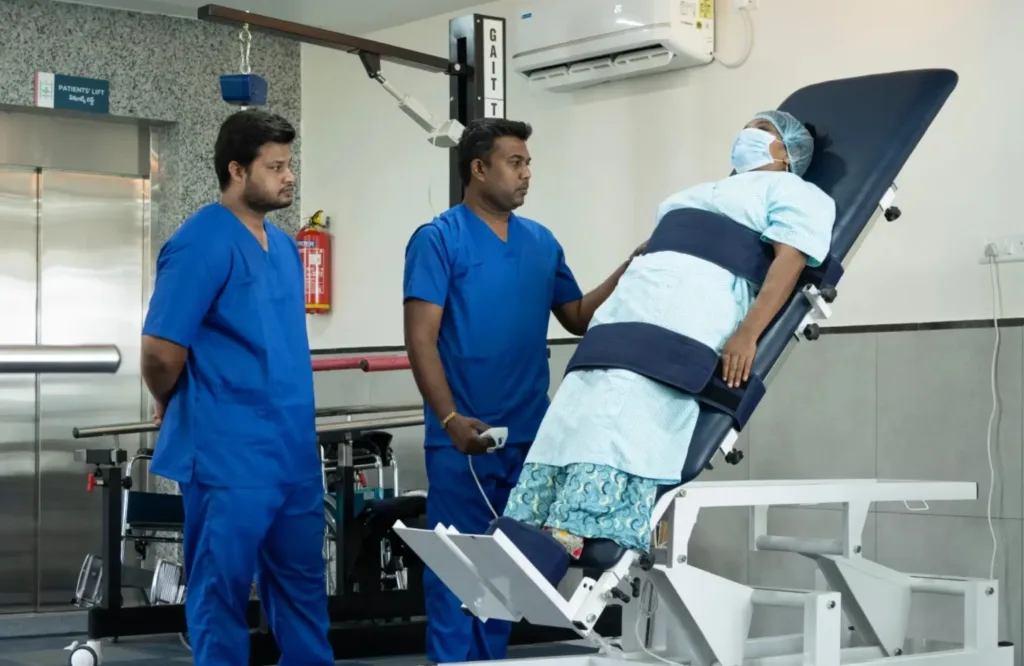
Home ❯ Blog ❯ Rehabilitation Rehabilitation Centre in Banjara Hills Your Complete Guide to Recovery and Independence When it comes to recovering after an illness, injury, or surgery, choosing the right rehabilitation centre in Banjara Hills can significantly influence how well and how quickly you return to your normal life. Many people assume that once they are discharged from the hospital, recovery will happen naturally over time, but there is a crucial difference between healing and functional recovery. While your body may be medically stable, it often lacks the strength, balance, and coordination required for everyday activities, and that gap is exactly where rehabilitation plays a vital role. A structured program at a rehabilitation centre in Banjara Hills focuses not just on recovery, but on helping you regain independence, confidence, and the ability to live life without constant support. What Is a Rehabilitation Centre and Why Is It Important? A physiotherapy rehabilitation centre in Banjara Hills is designed to help patients restore their physical and functional abilities after medical treatment. While hospitals focus on treating the condition, rehabilitation ensures that you can return to your daily routine safely and effectively. Without proper rehabilitation, many patients experience: Persistent weakness and fatigue Reduced mobility and flexibility Increased stiffness and pain Higher risk of falls or re-injury Delayed overall recovery In simple terms, rehabilitation bridges the gap between being discharged from the hospital and truly getting your life back. Who Should Consider a Rehabilitation Centre in Banjara Hills? Rehabilitation is not only for severe cases; it is for anyone who is not functioning at their full physical capacity. Often, patients underestimate their need for structured recovery until daily tasks start feeling difficult. You may benefit from a rehabilitation centre in Banjara Hills if you notice: Difficulty walking or moving without support Weakness after hospitalization or illness Pain or stiffness following surgery Balance issues or frequent falls Reduced stamina for everyday activities Early intervention in such cases can prevent long-term complications and significantly improve recovery outcomes. Types of Rehabilitation Services Available Neuro Rehabilitation Centre in Banjara Hills A neuro rehabilitation centre in Banjara Hills focuses on conditions affecting the brain and nervous system, such as stroke, Parkinson’s disease, or spinal cord injuries. These conditions often impact coordination, movement, and independence. Rehabilitation programs typically include: Balance and coordination training Gait (walking) retraining Muscle re-education exercises Functional and cognitive recovery techniques With consistent therapy, patients can gradually regain control and improve their quality of life. Ortho Rehabilitation Centre Banjara Hills An ortho rehabilitation centre in Banjara Hills supports recovery from orthopedic conditions such as fractures, joint replacements, and ligament injuries. Even after successful surgery, the body requires guided movement to regain full function. Key benefits include: Improved joint mobility and flexibility Reduced stiffness and post-surgical pain Strength rebuilding around affected areas Safer and faster return to daily activities Post Surgery Rehab Centre Banjara Hills After surgery, many patients hesitate to move due to fear of pain or damaging the surgical site, which can slow down recovery. A post surgery rehab centre in Banjara Hills ensures that movement begins safely and progressively. Rehabilitation focuses on: Pain management and swelling reduction Gentle mobility exercises Muscle activation and strengthening Guided walking and functional movement This structured approach helps patients regain confidence in their bodies while speeding up recovery. Stroke Rehabilitation Centre Banjara Hills Stroke recovery requires patience, consistency, and expert guidance. A stroke rehabilitation centre in Banjara Hills works on restoring movement, improving balance, and helping patients relearn everyday activities. Therapy often includes: Movement training for affected limbs Balance and posture correction Daily activity retraining Confidence-building exercises With the right support, patients can achieve significant improvements and regain independence. Sports Injury Rehab Banjara Hills For athletes and active individuals, recovery is not just about healing but about returning to peak performance. Sports injury rehab in Banjara Hills focuses on both recovery and prevention. Programs typically include: Injury-specific strengthening exercises Flexibility and mobility training Endurance and conditioning programs Techniques to prevent future injuries What Makes the Best Rehabilitation Centre in Banjara Hills? Choosing the best rehabilitation centre in Banjara Hills goes beyond convenience or location. The quality of care and approach to recovery play a major role in outcomes. Here’s what to look for: Structured programs: Clear, step-by-step recovery plans tailored to your condition Multidisciplinary care: Collaboration between doctors, physiotherapists, and specialists Personalized treatment: Individual attention based on your recovery pace Functional focus: Emphasis on real-life movement and independence Safe supervision: Guided exercises to ensure correct technique and prevent injury A good rehabilitation centre focuses not just on recovery, but on long-term wellness and independence. Why Early Rehabilitation Is Crucial Delaying rehabilitation is one of the most common mistakes patients make. Even a few weeks of inactivity can lead to significant muscle loss and reduced mobility. When rehabilitation is delayed, patients may experience: Increased stiffness and joint restrictions Loss of muscle strength Reduced balance and coordination Slower and more complicated recovery On the other hand, starting early offers several advantages: Faster improvement in strength and mobility Reduced risk of complications Better pain management Improved confidence in movement Early rehabilitation ensures that recovery begins at the right time, preventing setbacks later. What to Expect During Rehabilitation At a rehabilitation centre in Banjara Hills, the process is structured and patient-focused. It begins with a detailed assessment to understand your current condition and recovery goals. The journey typically includes: Initial evaluation: Assessing strength, mobility, and limitations Goal setting: Defining short-term and long-term recovery targets Therapy sessions: Including strength training, balance work, and mobility exercises Progress tracking: Regular monitoring and program adjustments Consistency is key, and gradual progress leads to sustainable recovery. How Rehabilitation Improves Daily Life The ultimate aim of rehabilitation is to restore independence and improve quality of life. Over time, patients begin to notice meaningful changes in their daily routines. Some of the most impactful improvements include: Walking without assistance Performing daily activities with ease Reduced pain and stiffness Better balance and coordination Increased confidence in movement These improvements may
Rehabilitation After ICU Stay in Hyderabad – A Complete Guide to Recovery
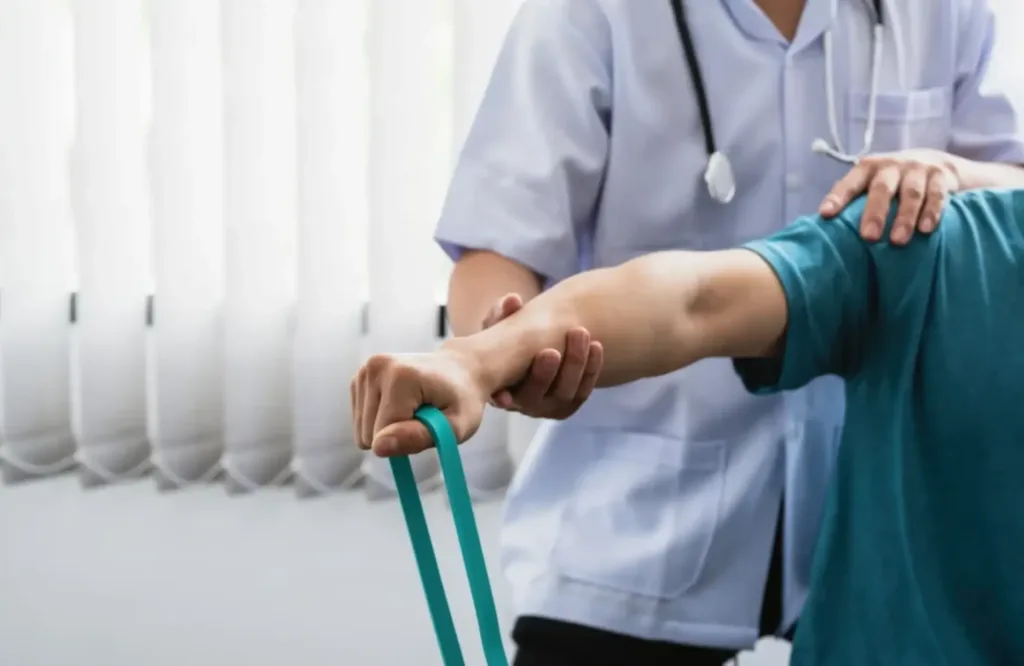
Home ❯ Blog ❯ Rehabilitation Rehabilitation After ICU Stay in Hyderabad A Complete Guide to Recovery Did you know? Nearly 50–70% of ICU survivors experience physical, mental, or cognitive challenges after discharge. This is known as Post-Intensive Care Syndrome (PICS), and it highlights why rehabilitation after ICU stay in Hyderabad is not optional – it is essential. Many believe recovery ends when they leave the ICU, but that’s when the real journey begins. The body may be stable, yet it is often weak, deconditioned, and not ready for daily life. A structured ICU patient rehabilitation program helps bridge that gap and restore independence. What Happens After ICU Discharge? After a prolonged ICU stay, especially with ventilator support or critical illness, the body undergoes significant stress. Muscles weaken, lung capacity reduces, and even cognitive function can be affected. This is why recovery after ICU discharge often includes: Severe fatigue and low energy Difficulty walking or standing Shortness of breath Memory or concentration issues Anxiety or mood changes Without proper post ICU rehabilitation in Hyderabad, these symptoms can last for months and affect overall quality of life. Why Rehabilitation After ICU Stay in Hyderabad Is Essential A structured rehabilitation after ICU stay in Hyderabad focuses on rebuilding strength, improving breathing, and restoring daily function step by step. It supports both physical and mental recovery. Key benefits include: Preventing long-term muscle loss Improving lung function and endurance Restoring balance and coordination Regaining independence in daily tasks Supporting emotional recovery Rehabilitation ensures that recovery is complete, not partial. Common Challenges After ICU Stay #1 Muscle Weakness After ICU Recovery Muscle weakness after ICU recovery is one of the most common issues. Even a few days of immobility can lead to noticeable strength loss. Patients may struggle with: Standing without support Walking short distances Climbing stairs Performing routine tasks Targeted physiotherapy helps rebuild strength safely and gradually. #2 Breathing Problems After ICU Treatment Patients who required oxygen or ventilator support often face breathing problems after ICU treatment. Even mild activity can cause breathlessness. Rehabilitation includes: Breathing exercises for lung efficiency Gradual activity to build stamina Techniques to manage breathlessness This is a key part of ICU recovery physiotherapy in Hyderabad. #3 Cognitive Issues After ICU Stay Recovery is not only physical. Many patients experience cognitive issues after ICU stay, such as memory gaps or poor concentration. These can affect: Focus and attention Decision-making Daily functioning A structured post intensive care syndrome treatment in Hyderabad helps address these challenges effectively. #4 Emotional and Psychological Impact ICU experiences can be overwhelming. Many patients feel anxious, fearful, or lack confidence after discharge. Rehabilitation helps by: Encouraging gradual independence Building confidence through progress Providing a supportive environment Rehabilitation After Ventilator Support Rehabilitation after ventilator support is crucial, as both lung function and muscle strength are affected. Recovery requires a focused and gradual approach. Programs typically include: Respiratory muscle training Mobility and strengthening exercises Functional movement training With consistent care, patients can regain both strength and breathing capacity. ICU Recovery for Elderly Patients ICU recovery for elderly patients requires extra care, as recovery may be slower and more complex. The focus is on safety and independence. Key areas include: Balance and fall prevention Gentle strength-building Improving endurance Enhancing mobility A structured ICU patient rehabilitation program ensures safe and steady recovery. What Does an ICU Patient Rehabilitation Program Include? A well-designed post ICU rehabilitation in Hyderabad is tailored to each patient. It combines multiple therapies to restore function effectively. Core Components Physical therapy: Strength and mobility Respiratory therapy: Lung function improvement Functional training: Daily activity practice Cognitive support: Memory and focus Emotional support: Confidence building Each step is monitored and adjusted for optimal recovery. Why Early Rehabilitation Makes a Difference Delaying recovery can slow progress and increase complications. The body loses strength quickly during inactivity. Starting rehabilitation after ICU stay in Hyderabad early helps: Speed up recovery Reduce stiffness and weakness Improve outcomes Restore independence faster Early action leads to better results. What to Expect During Recovery Recovery after ICU is gradual. Progress may feel slow, but consistency makes a big difference. Patients usually notice: Improved strength over time Reduced breathlessness Better balance and coordination Increased confidence Every small step contributes to long-term recovery. How Rehabilitation Transforms Daily Life Rehabilitation helps patients return to normal life step by step. Tasks that once felt difficult become easier with time. Patients often regain the ability to: Walk independently Perform daily activities Move without fear Re-engage in social life These changes improve both physical and emotional well-being. Your Journey to Recovery Starts Here Recovering from an ICU stay is not just about survival – it is about living independently again. Choosing the right rehabilitation after ICU stay in Hyderabad ensures a structured and effective recovery journey. With the right support, recovery is not just possible – it is achievable. Frequently Asked Questions What is Post-Intensive Care Syndrome (PICS)? PICS refers to the physical, cognitive, and psychological impairments that persist after ICU discharge. It affects 50-70% of ICU survivors and highlights the importance of structured rehabilitation programs. How long does ICU rehabilitation typically take? Recovery timelines vary based on the severity of illness, age, and overall health. Some patients show improvement within weeks, while others may require months of consistent rehabilitation. Early intervention typically accelerates progress. Can elderly patients recover fully after ICU stays? Yes, elderly patients can achieve significant functional recovery with appropriate rehabilitation. While recovery may be slower, tailored programs focusing on safety and gradual strengthening have shown excellent outcomes. What is ICU-acquired weakness? ICU-acquired weakness develops during prolonged critical illness due to immobility and physiological stress. Early rehabilitation and mobilization help prevent or minimize this weakness. Is psychological support important in post-ICU recovery? Absolutely. Many ICU survivors experience anxiety, PTSD-like symptoms, and depression. A comprehensive rehabilitation program should include emotional and psychological support alongside physical therapy. How can I find a specialized ICU rehabilitation centre in Hyderabad? Look for centres that offer multidisciplinary care, experienced physiotherapists, respiratory therapists, and psychological support.
Chronic Liver Disease Rehabilitation in Hyderabad – A Recovery Story
Home ❯ Blog ❯ Rehabilitation Chronic Liver Disease Rehabilitation in Hyderabad A Recovery Story Mr. K K’s journey is a powerful example of how timely medical care and a structured rehabilitation program can change outcomes. When patients with advanced liver disease face multi-organ dysfunction, recovery becomes complex and uncertain. At our advanced rehabilitation centre in Hyderabad, structured medical rehabilitation plays a vital role in restoring independence after critical illness. Initial Medical Condition When Mr. K K arrived at the rehabilitation unit, his condition was critical and life-threatening. He was diagnosed with chronic decompensated liver disease, complicated by: Severe volume overload Sepsis with multi-organ dysfunction (MODS) Hepatic encephalopathy At admission, he was confused, barely responsive, physically weak, and completely dependent on medical support for basic survival. Critical Care and Stabilization The initial phase focused on stabilizing his condition. The medical team prioritized: Infection management Fluid balance and volume control Liver support & Nutrition therapy Progress was gradual. However, with continuous critical care rehabilitation support, early signs of recovery began to appear. His infection came under control, breathing improved, and generalized swelling reduced. Most importantly, his neurological improvement became visible as the hepatic encephalopathy began to resolve. He progressed from minimal responsiveness to: Opening eyes to command Recognizing family members Following simple instructions Role of Rehabilitation in Recovery Once medically stable, post ICU rehabilitation in Hyderabad became the cornerstone of his recovery. A structured rehabilitation program was initiated, including: Physiotherapy for ICU patients Gradual mobility restoration Bed mobility and sitting balance training Activities of daily living recovery Gradual Functional Improvement Recovery occurred step by step. First, he was able to sit with support. Then he progressed to supported standing. Soon after, assisted walking began. What once required full assistance became increasingly independent. His confidence improved alongside his physical recovery – a key marker in multi-organ dysfunction recovery. Today, Mr. K K is: Fully conscious, alert, and oriented Independently mobile Able to perform daily activities Socially interactive and confident Why Early Rehabilitation Matters In complex conditions like chronic liver disease with MODS, early rehabilitation is not optional – it is essential. Timely intervention helps prevent ICU-acquired weakness, improve neurological recovery, and accelerate mobility restoration. Conditions Treated at Our Centre Our multidisciplinary team manages complex recovery pathways including: Chronic Liver Disease Recovery Post ICU Rehabilitation Multi Organ Dysfunction Neurological Rehabilitation Critical Care Rehab Post-Surgical Rehab Frequently Asked Questions Can patients recover after multi organ failure? Yes. With timely organ stabilization, infection control, and structured rehabilitation, many patients can achieve meaningful functional recovery. How long does hepatic encephalopathy recovery take? Recovery time varies depending on severity and underlying liver function. Cognitive improvement may begin within days to weeks once precipitating factors are controlled. What is post ICU rehabilitation? Post ICU rehabilitation is a structured therapy program that helps patients regain strength, mobility, breathing capacity, and daily function after critical illness. Is PRES completely reversible? Posterior Reversible Encephalopathy Syndrome (PRES) is often reversible when identified and treated early, though recovery timelines can vary. Where can I find a neuro rehabilitation centre? Look for centres in Hyderabad that offer multidisciplinary care, critical care rehabilitation expertise, and supervised physiotherapy programs tailored to complex recovery needs. Begin the Recovery Journey If your loved one is recovering from critical illness, liver disease, or prolonged ICU stay, early rehabilitation can make a life-changing difference. 📍 Contact our rehabilitation team Read More
Postpartum PRES Rehabilitation in Hyderabad – A Complete Neurological Recovery Story
Home ❯ Blog ❯ Rehabilitation Postpartum PRES Rehabilitation in Hyderabad A Complete Neurological Recovery Story Mrs. S’s journey is a powerful example of how coordinated care can transform outcomes. When a young mother develops a critical neurological emergency after childbirth, recovery can feel uncertain and overwhelming. At our advanced neuro rehabilitation centre in Hyderabad, structured intensive rehabilitation support plays a crucial role in restoring neurological function and independence. Initial Medical Condition When Mrs. S was transferred to the rehabilitation unit, she was fighting for her life. She had developed postpartum Posterior Reversible Encephalopathy Syndrome (PRES) following childbirth. Her condition was further complicated by: Multi-drug resistant ventilator-associated pneumonia (MDR-VAP) Prolonged ventilator dependence Tracheostomy for airway support At admission, she was completely dependent on life-sustaining care with minimal neurological responsiveness. Critical Care and Stabilization The immediate priority was aggressive medical stabilization. The multidisciplinary team initiated: Advanced infection control Continuous neurological monitoring Respiratory therapy and ventilator management Comprehensive supportive care Managing a resistant infection alongside neurological injury required round-the-clock vigilance. Gradually, clinical improvements began to appear. Her infection responded to treatment, and neurological responses slowly improved. Role of Neuro Rehabilitation in Recovery Once medically stable, PRES rehabilitation in Hyderabad became the turning point in her recovery. A structured program was initiated, including ventilator weaning rehabilitation, neurological physiotherapy, and functional retraining. Gradual Functional Improvement Recovery unfolded step by step. First, her ventilator dependence reduced. Then came successful tracheostomy weaning. Her speech gradually returned. With continued therapy: Sitting balance improved Standing became possible Assisted walking progressed to independent mobility Today, Mrs. S is: Fully conscious and neurologically intact Breathing independently Walking without support Able to care for her newborn with independence and joy Why Early Neuro Rehabilitation Matters In conditions like PRES with prolonged ventilator dependence, early and structured rehabilitation is critical. It helps accelerate ventilator weaning, improve cognitive recovery, and prevent ICU-acquired weakness. Conditions Managed PRES Rehabilitation Post ICU Neuro Recovery Ventilator Weaning Tracheostomy Recovery Neuro Physiotherapy Critical Illness Recovery Frequently Asked Questions Can patients fully recover from PRES? Yes. PRES is often reversible when treated early. With proper neurological care and rehabilitation, many patients achieve excellent recovery. How long does ventilator weaning take? The duration varies based on lung function and neurological status. A structured program significantly improves success rates. What is post ICU neuro recovery? It is a specialized rehabilitation process that helps patients regain cognitive, respiratory, and physical function after critical neurological illness. When can a tracheostomy be safely removed? Removal is considered once the patient demonstrates adequate breathing strength, airway protection, and stable neurological status. Begin the Recovery Journey If your loved one is recovering from PRES, prolonged ventilation, or critical neurological illness, early rehabilitation can be life-changing. 📍 Contact our neuro rehabilitation team to support safe, structured, and complete neurological recovery. Read More
Post-Surgery Rehabilitation Centers in Hyderabad: What to Expect for a Safer, Steadier Recovery
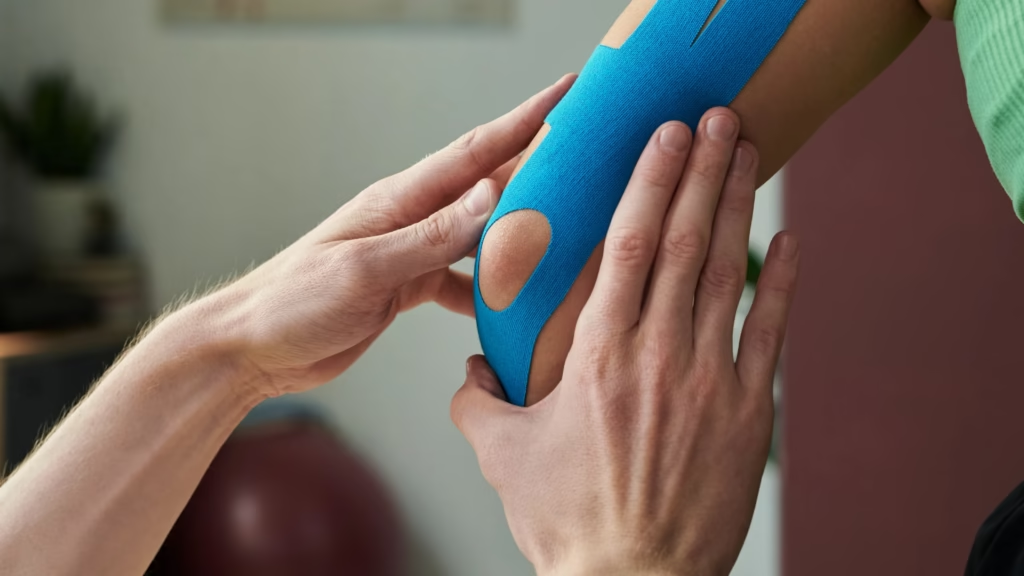
Surgery is often seen as the finish line. In reality, it’s the starting point. What happens in the days and weeks after surgery decides how well your body heals, how confidently you move, and whether pain truly settles or quietly lingers. This is where post-surgery rehabilitation becomes essential – not as an add-on, but as a core part of recovery. If you are considering a post-surgery rehabilitation center in Hyderabad, here’s what you should realistically expect and why it matters. Why Post-Surgery Rehabilitation Is Not Optional After surgery, the body enters a delicate healing phase. Muscles weaken quickly, joints stiffen, and even simple movements can feel unfamiliar or uncomfortable. Many people assume rest alone will solve this, but prolonged rest often creates more problems than it prevents. Post-operative rehabilitation gently reintroduces movement in a structured way. It helps reduce pain and swelling, restores strength and mobility, and most importantly, teaches the body how to move correctly again. Without this guidance, faulty movement patterns can develop, making recovery longer and more difficult. What Actually Happens Inside a Rehabilitation Center The first thing most people notice at a good rehabilitation center is that recovery isn’t rushed. Rehabilitation begins with a detailed understanding of your surgery, your current pain levels, and how your body is responding so far. Therapists observe how you move, how stable you feel while walking, and where your body is compensating. This isn’t just about exercise – it’s about understanding how your whole body is adapting after surgery. Based on this, a personalized recovery plan is created. This plan evolves as your body heals. Early sessions may focus on pain control and gentle movement. As strength improves, therapy gradually shifts toward rebuilding endurance, balance, and confidence in daily activities like walking, climbing stairs, or getting in and out of a chair. Rehabilitation After Common Surgeries For orthopedic and joint surgeries, rehabilitation focuses on restoring natural joint movement and strengthening surrounding muscles so the joint is supported properly. This prevents stiffness and reduces long-term discomfort. After knee replacement surgery, therapy is especially important. Regaining knee bending, rebuilding thigh strength, and relearning normal walking patterns are essential for long-term success. Skipping or delaying rehab often leads to persistent stiffness. Spine surgery rehabilitation is approached with extra care. The focus is on posture correction, core strength, and safe movement strategies that protect the spine while gradually restoring independence. In cases of fractures, especially after periods of immobilization, rehabilitation helps reverse stiffness and muscle weakness. It ensures that movement returns smoothly without overloading healing bones. Recovery Looks Different for Older Adults Recovery after surgery can be more challenging for elderly patients. Balance issues, reduced muscle strength, and fear of falling often slow progress. That’s why rehabilitation for elderly patients needs to be carefully supervised and paced. With the right guidance, elderly individuals can regain mobility safely, improve balance, and maintain independence – often better than expected. The key is consistency, patience, and proper medical oversight. Why Supervised Rehabilitation Makes a Difference One of the biggest mistakes people make is trying to recover entirely on their own or relying only on unsupervised exercises. Medically supervised rehabilitation ensures exercises are done correctly, progressed at the right time, and adjusted based on pain or fatigue. This reduces the risk of reinjury and prevents small setbacks from turning into long-term problems. Recovery becomes safer, smoother, and more predictable. Choosing the Right Rehabilitation Center in Hyderabad The right rehabilitation center doesn’t promise instant results. Instead, it offers structured care, expert supervision, and a clear recovery plan that adapts as your body heals. Look for a center that prioritizes personalized therapy, experienced physiotherapists, and long-term functional recovery rather than quick fixes. A Thoughtful Approach to Recovery Recovery isn’t about pushing harder – it’s about moving smarter. At Care Convoy, post-surgery rehabilitation is designed to support healing at every stage, with medically supervised therapy plans tailored to each individual’s surgery, age, and recovery needs. 📍 Care Convoy, Kamalapuri Colony, Hyderabad If you or a loved one is recovering from surgery, the right rehabilitation support can make all the difference between simply healing and truly getting back to life. Book Your Appointment Today Reach out to the Care Convoy team and we’ll help you book a time that suits you best. 📞 Call: +91-7799555018📧 Email: careconvoy56@gmail.com We’re always just a call or message away. Your health matters — and we’re here whenever you need us. Read Also – Rehabilitation for Elderly Patients in Hyderabad
Comprehensive Cancer Care & Recovery in Hyderabad

Cancer is one of the most difficult health problems to face, impacted health, emotional, or mental or otherwise. Early detection, timely treatment, and comprehensive recovery can improve survival and quality of life. In Hyderabad, patients looking for trusted, compassionate care have access to knowledgeable and advanced medical facilities, and skilled oncologist to guide them to care. Care Convoy strives to provide comprehensive holistic cancer care and recovery services that ensures continuity of care and personalized treatment plans for recovery. Understanding Cancer Cancer is a disease in which cells within the body multiply uncontrollably and spread to nearby or distant locations. There are over 100 types of cancer including breast, lung, colon, prostate, and blood cancers. Symptoms or warning signs vary depending on the type and stage, but general symptoms may include uncharacteristic fatigue, noticeable or unexplained weight loss, cysts, lumps or swelling, changes in appearance of the skin, or chronic pain. Identifying early warning signs is crucial since early-stage detections are correlated with significantly better treatment outcomes. Importance of Early Detection Early detection can often be the deciding factor in more successful cancer treatment. Health screenings, imaging and wellness tests, and blood work tests are important to help uncover cancers while they are most treatable. Hyderabad contains state-of-the-art diagnostic facilities equipped with diagnostic imaging technology, such as PET scans, MRIs, and CT scans, as well as laboratory services to detect exact cancer markers. At Care Convoy, our team advocates for routine cancer screenings. We even provide education and counseling around preventive measures to reduce the risk of cancer. Personalized Treatment Plans Every cancer patient’s journey is unique. Factors such as cancer type, stage, age, medical history, and overall health play a crucial role in determining the treatment approach. Modern cancer care in Hyderabad focuses on personalized treatment plans that combine multiple therapies, including: Surgery: Surgical removal of tumors remains a primary treatment for many cancers, aiming to eliminate malignant cells while preserving healthy tissue. Chemotherapy: Chemotherapy uses drugs to destroy rapidly dividing cancer cells. Our specialists ensure optimal dosing and monitor patients closely for side effects. Radiation Therapy: This treatment targets cancer cells using high-energy rays. Precision techniques minimize damage to surrounding healthy tissues. Targeted Therapy & Immunotherapy: These advanced treatments enhance the body’s immune response and specifically target cancer cells, reducing collateral damage to normal cells. Hormonal Therapy: Certain cancers, like breast and prostate cancer, respond to hormonal treatments that inhibit growth signals. At Care Convoy, our oncologists collaborate closely with patients and their families to design the most effective, evidence-based treatment strategies. Holistic Support & Counseling Cancer affects more than just the body. Patients often face emotional, psychological, and social challenges. Integrating counseling and support into cancer care is vital for complete recovery. Our services include: Psychological Support: Individual and group counseling sessions help patients and families cope with the stress, anxiety, and depression associated with cancer. Nutritional Guidance: Proper nutrition strengthens immunity, reduces treatment side effects, and promotes faster recovery. Our dieticians provide customized meal plans tailored to each patient’s needs. Rehabilitation Services: Post-treatment rehabilitation is essential for restoring physical strength and mobility. Our physiotherapy and occupational therapy programs help patients regain normal functioning. Palliative Care: For advanced-stage cancer patients, palliative care ensures comfort, dignity, and a better quality of life. Patient-Centered Approach At Care Convoy, our most important priority is patient welfare. We know cancer care is much more than medical intervention; it involves a specific environment where the patient feels supported, knowledgeable, and empowered throughout their journey. Our coordinators in care manage all aspects of induction, including appointment scheduling, both pre and post appointment follow-ups, treatment education and logistics, reducing the patient’s stress levels so that they can concentrate on a regenerative and restorative environment to heal. Recovery & Survivorship Recovering from cancer is a slow process and does not stop when treatment is completed. Cancer survivorship care includes keeping an eye on recurrence, addressing long-term side effects, and reducing risk of complications through healthy daily living. Follow-up care including check-ups, imaging tests, and blood work helps to keep track of the recovery process. It is also important to follow a healthy lifestyle after cancer through tracking healthy diet, regular exercise, stress management, and avoiding any tobacco or alcohol. Advances in Cancer Care in Hyderabad Hyderabad is emerging as a hub for advanced cancer care in India. Cutting-edge technologies and research initiatives have transformed cancer diagnosis and treatment, offering hope to patients across the country. Innovations include: Robotic Surgery: Minimally invasive surgeries with higher precision and faster recovery times. 3D-Conformal Radiation Therapy: Precise radiation targeting that spares healthy tissues. Personalized Medicine: Genetic profiling of tumors to design individualized treatment regimens. Clinical Trials: Access to global clinical trials enables patients to receive novel therapies under expert supervision. Our team at Care Convoy stays updated with the latest advancements, ensuring that every patient benefits from the most effective and modern treatment options available. Why Choose Care Convoy? Choosing the right cancer care provider can significantly influence treatment outcomes. Here’s why patients trust Care Convoy in Hyderabad: Experienced Oncologists: Our team consists of highly qualified cancer specialists with years of experience in diagnosis, treatment, and recovery management. Comprehensive Services: From diagnosis to treatment, rehabilitation, and survivorship care, we offer end-to-end cancer management. Patient-Centered Care: Personalized attention, emotional support, and transparent communication are integral to our approach. State-of-the-Art Facilities: Modern diagnostic tools, treatment technologies, and supportive care services under one roof. Holistic Recovery Programs: Nutritional counseling, physiotherapy, and mental health support ensure complete well-being. Conclusion Cancer support and recovery is a journey that involves medical expertise, support, and a working relationship between the patient and provider. Care Convoy is a trusted resource in Hyderabad to assist patients as they navigate from diagnosis to survivorship. Care Convoy combines strong medical care with holistic support to help patients reclaim health, and improve health outcomes, and their quality of life. If you or a loved one are seeking reliable cancer care in Hyderabad, reach out to Care Convoy today. Our dedicated
Neuro Rehabilitation in Banjara Hills – Focused Care at Care Convoy
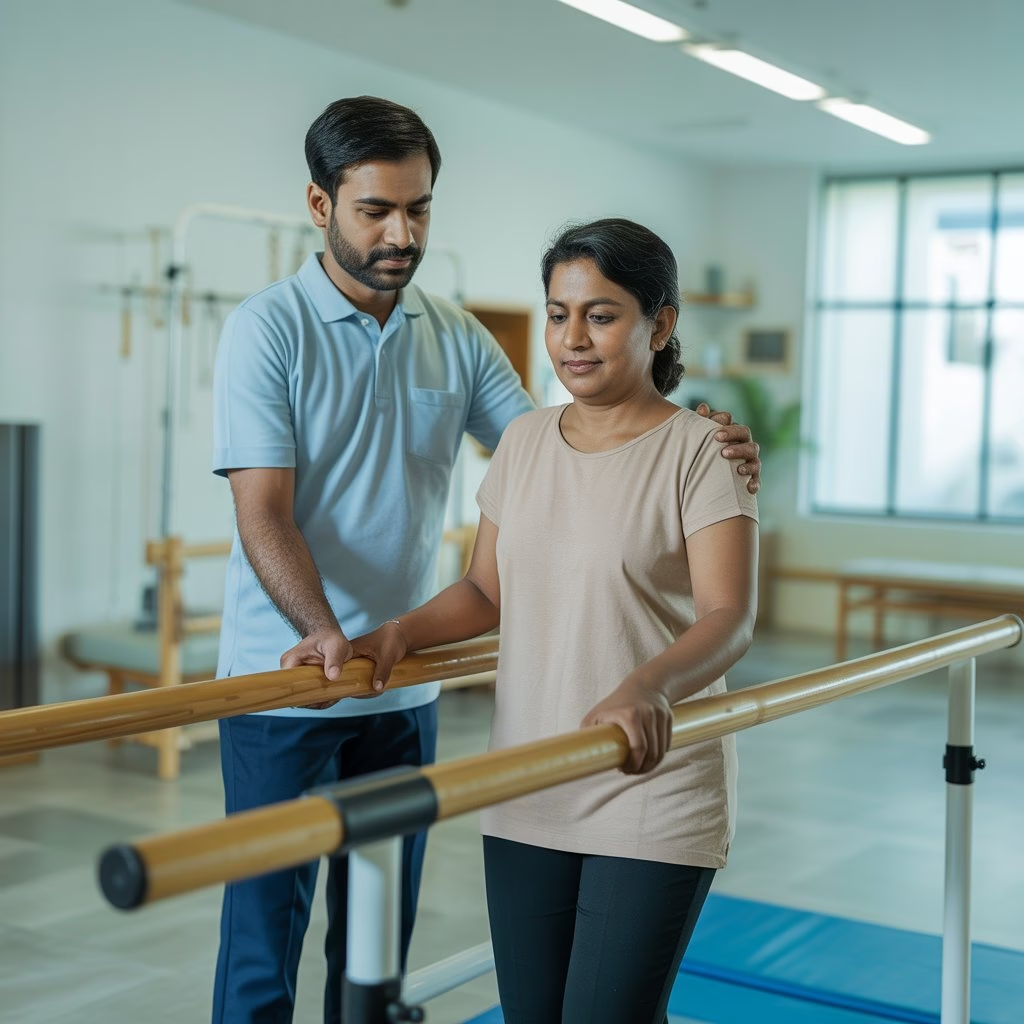
Neuro Rehabilitation in Banjara Hills – Focused Care at Care Convoy treats the aftermath of injuries of the nervous system caused by stroke, brain injury, spinal cord injury, or neurological disorders such as Parkinson’s or multiple sclerosis. Neuro rehabilitation deals with restoring movement, speech, balance, and simple tasks through physiotherapy, occupational therapy, speech therapy, and psychological support. Its ultimate goal is the restoration of independence and an enhanced quality of life. Care Convoy provides generous, attentive therapy in the area of neuro rehabilitation. Whether it’s recovery from stroke, accident, or neurological condition, your team would be there to nurture your progress with care that is highly individualized and constant. Working with an experienced set of therapists in a calm, encouraging environment, every session draws toward greater strength, greater movement, and greater confidence in your own life. The belief is that healing takes a little bit of time; patience; and the right people standing beside you. Care Convoy stands as your support system. What is neurological rehabilitation? Neurological rehabilitation is a particular kind of treatment aimed at assisting in the recovery from any lesion or disorder on the nervous system. Its working is on helping a person regain the ability to move, speak, think, or carry out daily activities affected by a stroke, spinal cord injury, traumatic brain injury, Parkinson’s disease, or multiple sclerosis. Why It’s Needed Problems with movement, balance, speech, memory, and daily activities are usually caused by injuries to the brain or spinal cord. Neurological rehab helps people regain those abilities, build some independence, and generally improve their quality of life. Why Is Neurorehabilitation Important? Neurorehabilitation plays a pivotal role in helping people recover and reconstruct their lives after injuries of the brain, nerves, or spinal cord. Here’s why it has to be placed on importance: 1. It Restores Lost Abilities Depending on the nature of the brain or nerve injury, the affected individual may be able to move, speak, or remember. Neurorehabilitation thus steps in, providing gradual training to reacquire lost functions. 2. Improves Daily Life Simple acts like walking, eating, or writing, become agonizing after neurological insufficiency. Rehabilitations’ major focus stands at achieving ease of performing these daily actions. 3. Counters Against Psychopathology Healing is not physical only. In the process of recovery, one may find dealing with sudden changes in body or mind maddening. Rehabilitation addresses the two together with counseling to uplift confidence and alleviate anxiety or depression. 4. Avoids Complications If a patient does not have proper rehabilitation, he or she might begin developing stiffness, pressure sores, and muscle weakness. These complications can be managed or even avoided with regular therapy. 5. Boosts Independence One of the major goals of neurorehabilitation lies in enabling people to live an independent life; whether going back to work, walking without gait aids, or completing tasks at home. 6. Involving Family in Recovery Family members often carry the healing role. Neurorehabilitation involves them in the process so that they learn how to support their loved ones better. 7. Enhancing Long-Term Recovery Healing fast after a stroke, an accident, or illnesses does not really happen. Long-term results can be greatly enhanced- along with the ability to remain active for many years- through the planning of a rehabilitation journey. Physical Therapy for Neurorehabilitation Neurologic physical therapists are the ones who work with you to regain your mobility, balance, coordination, and strength so that you can resume activities that are important to you. The interventions may include: Key Goals of Neurological Rehab: Who Is It For? This type of rehabilitation is ideal for people recovering from: What It Involves Rehabilitation is personalized and often includes a team of specialists: Sessions might involve exercises, hands-on therapy, speech practice, cognitive tasks, and emotional support. Why Choose a Care Convoy? Conclusion Neurorehabilitation is more than just recovery—it’s a second chance. Whether someone is healing from a stroke, a brain injury, or a neurological condition, this process helps them regain strength, function, and confidence in everyday life. It’s a mix of medical support, physical exercises, and emotional care that makes real improvements possible. With the right team and consistent effort, people often surprise themselves with how much progress they can make. It’s not always easy, but step by step, neurorehabilitation helps bring life back to a place of independence and purpose. Book Your Appointment Today Reach out to the care convoy and let us schedule a time that works for you. 📞 Call us: +91-7799555018📧 Email: careconvoy56@gmail.com We’re just a call or a message away. Your health, your time — we’re here when you need us. We also provide Stroke Rehabilitation in Banjara Hills.
The Importance of Holistic Care in Recovery
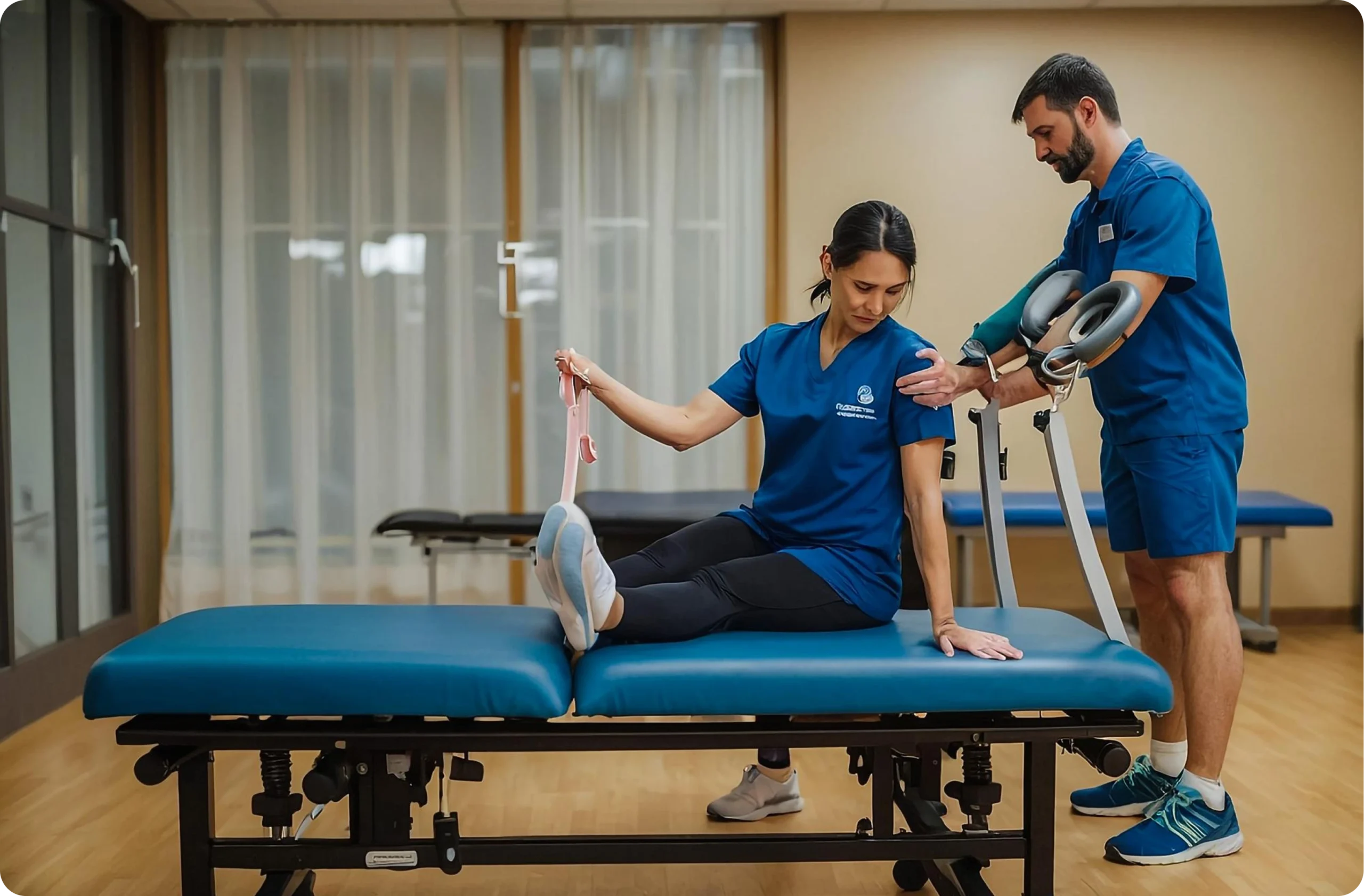
When it comes to recovery, whether from an illness, injury, or surgery, it’s not just about treating symptoms—it’s about nurturing the whole person. At Care Convoy, we believe that true healing happens when physical, mental, and emotional well-being are addressed together. What is Holistic Care? Holistic care focuses on treating the whole individual rather than just the condition. It combines advanced medical interventions with therapies that promote emotional and mental health, aiming to enhance overall quality of life. This approach empowers patients to heal not only their bodies but also their minds and spirits. Our Approach to Holistic Care At Care Convoy, our multidisciplinary team is dedicated to providing a seamless recovery journey. Here’s how we ensure holistic healing: Round-the-Clock Medical Supervision: Continuous care ensures that patients receive the highest standard of medical attention at all times. Tailored Rehabilitation Plans: Customized therapies, including physiotherapy, occupational therapy, and speech therapy, are designed to meet each patient’s unique needs. Mental Health Counseling: Emotional well-being is a critical component of recovery. Our counseling services help patients navigate the emotional challenges of their journey. Nutritional Healing: A healthy body starts with proper nutrition. Our dieticians create personalized plans to support physical recovery and energy levels. Pain Management: Advanced techniques and compassionate care alleviate discomfort, making the recovery process smoother and more comfortable. Why Holistic Care Matters Patients who receive holistic care often experience faster recovery, improved mental health, and a stronger sense of independence. By addressing all aspects of well-being, we ensure that our patients not only recover but thrive. Experience the Care Convoy Difference At Care Convoy, we are committed to creating an environment where patients feel supported, valued, and empowered. Our warm, welcoming spaces and dedicated team work together to make the journey to recovery as comfortable and effective as possible.Take the first step towards holistic healing. Contact us today to learn more about our services and how we can help you or your loved ones on the road to recovery.
