Many believe recovery ends when they leave the ICU, but that's when the real journey begins. The body may be stable, yet it is often weak, deconditioned, and not ready for daily life. A structured ICU patient rehabilitation program helps bridge that gap and restore independence.
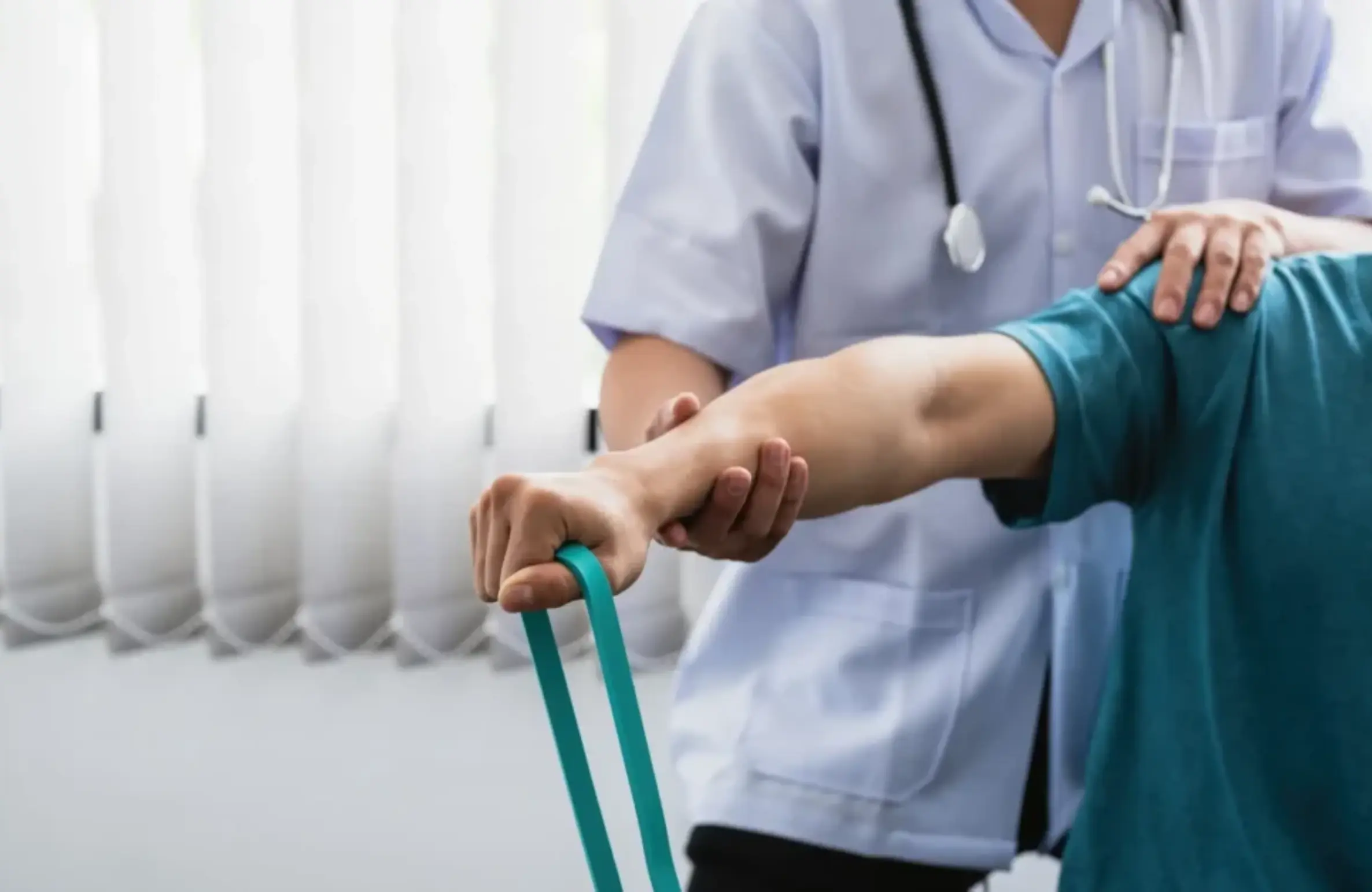
After a prolonged ICU stay, especially with ventilator support or critical illness, the body undergoes significant stress. Muscles weaken, lung capacity reduces, and even cognitive function can be affected.
This is why recovery after ICU discharge often includes:
Without proper post ICU rehabilitation in Hyderabad, these symptoms can last for months and affect overall quality of life.
A structured rehabilitation after ICU stay in Hyderabad focuses on rebuilding strength, improving breathing, and restoring daily function step by step. It supports both physical and mental recovery.
Key benefits include:
Rehabilitation ensures that recovery is complete, not partial.
Muscle weakness after ICU recovery is one of the most common issues. Even a few days of immobility can lead to noticeable strength loss.
Patients may struggle with:
Targeted physiotherapy helps rebuild strength safely and gradually.
Patients who required oxygen or ventilator support often face breathing problems after ICU treatment. Even mild activity can cause breathlessness.
Rehabilitation includes:
This is a key part of ICU recovery physiotherapy in Hyderabad.
Recovery is not only physical. Many patients experience cognitive issues after ICU stay, such as memory gaps or poor concentration.
These can affect:
A structured post intensive care syndrome treatment in Hyderabad helps address these challenges effectively.
ICU experiences can be overwhelming. Many patients feel anxious, fearful, or lack confidence after discharge.
Rehabilitation helps by:
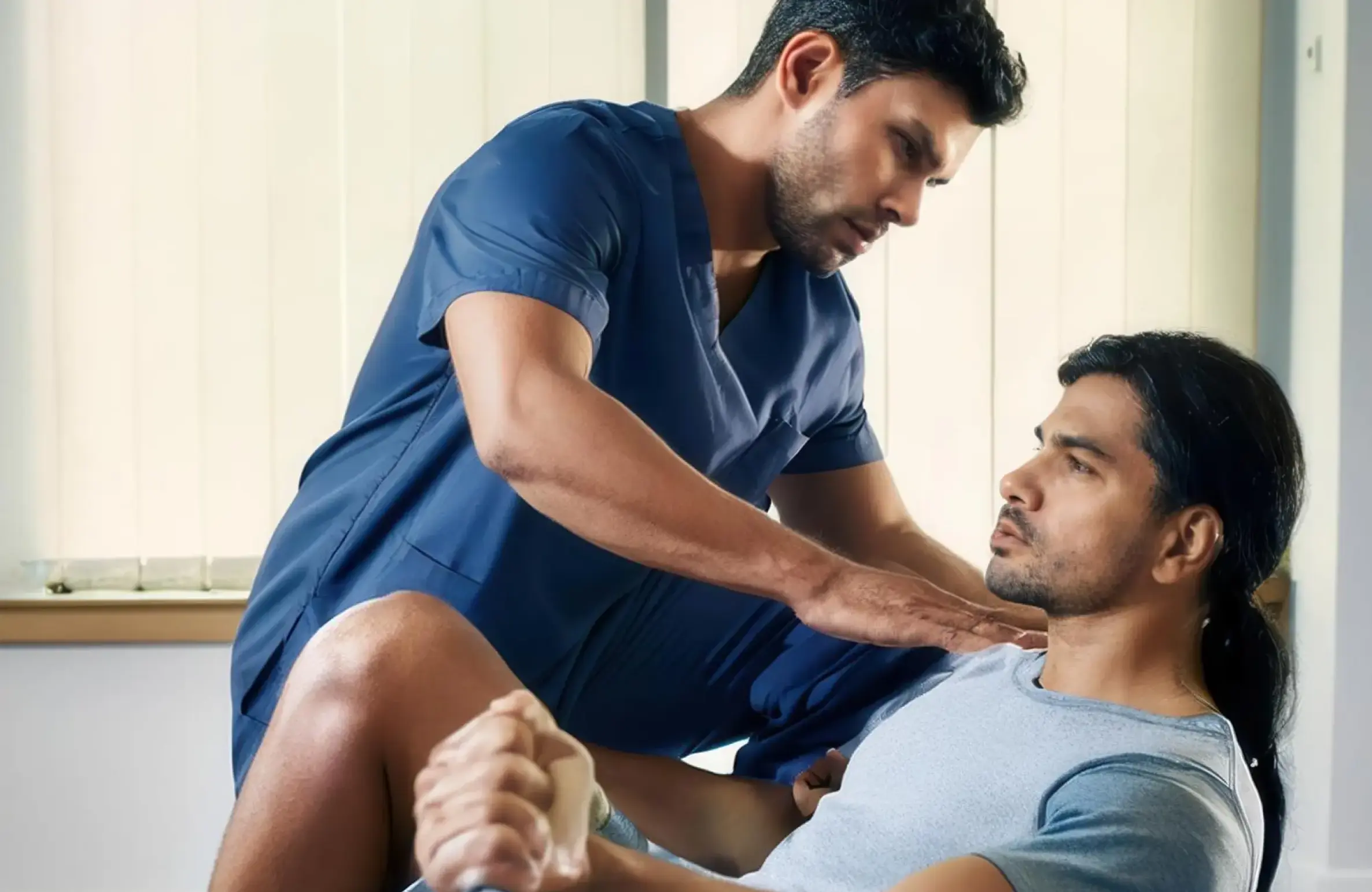
Rehabilitation after ventilator support is crucial, as both lung function and muscle strength are affected. Recovery requires a focused and gradual approach.
Programs typically include:
With consistent care, patients can regain both strength and breathing capacity.
ICU recovery for elderly patients requires extra care, as recovery may be slower and more complex. The focus is on safety and independence.
Key areas include:
A structured ICU patient rehabilitation program ensures safe and steady recovery.
A well-designed post ICU rehabilitation in Hyderabad is tailored to each patient. It combines multiple therapies to restore function effectively.
Each step is monitored and adjusted for optimal recovery.
Delaying recovery can slow progress and increase complications. The body loses strength quickly during inactivity.
Starting rehabilitation after ICU stay in Hyderabad early helps:
Early action leads to better results.
Recovery after ICU is gradual. Progress may feel slow, but consistency makes a big difference.
Patients usually notice:
Every small step contributes to long-term recovery.
Rehabilitation helps patients return to normal life step by step. Tasks that once felt difficult become easier with time.
Patients often regain the ability to:
These changes improve both physical and emotional well-being.
Recovering from an ICU stay is not just about survival - it is about living independently again. Choosing the right rehabilitation after ICU stay in Hyderabad ensures a structured and effective recovery journey.
With the right support, recovery is not just possible - it is achievable.
PICS refers to the physical, cognitive, and psychological impairments that persist after ICU discharge. It affects 50-70% of ICU survivors and highlights the importance of structured rehabilitation programs.
Recovery timelines vary based on the severity of illness, age, and overall health. Some patients show improvement within weeks, while others may require months of consistent rehabilitation. Early intervention typically accelerates progress.
Yes, elderly patients can achieve significant functional recovery with appropriate rehabilitation. While recovery may be slower, tailored programs focusing on safety and gradual strengthening have shown excellent outcomes.
ICU-acquired weakness develops during prolonged critical illness due to immobility and physiological stress. Early rehabilitation and mobilization help prevent or minimize this weakness.
Absolutely. Many ICU survivors experience anxiety, PTSD-like symptoms, and depression. A comprehensive rehabilitation program should include emotional and psychological support alongside physical therapy.
Look for centres that offer multidisciplinary care, experienced physiotherapists, respiratory therapists, and psychological support. Ensure they have a track record of managing complex post-ICU cases with modern rehabilitation equipment and techniques.
If you or your loved one has been discharged from the ICU, don't wait. A structured post ICU rehabilitation in Hyderabad can make all the difference. Because recovery doesn't end at discharge - that's where it truly begins.
📍 Begin Your Recovery Journey Today
